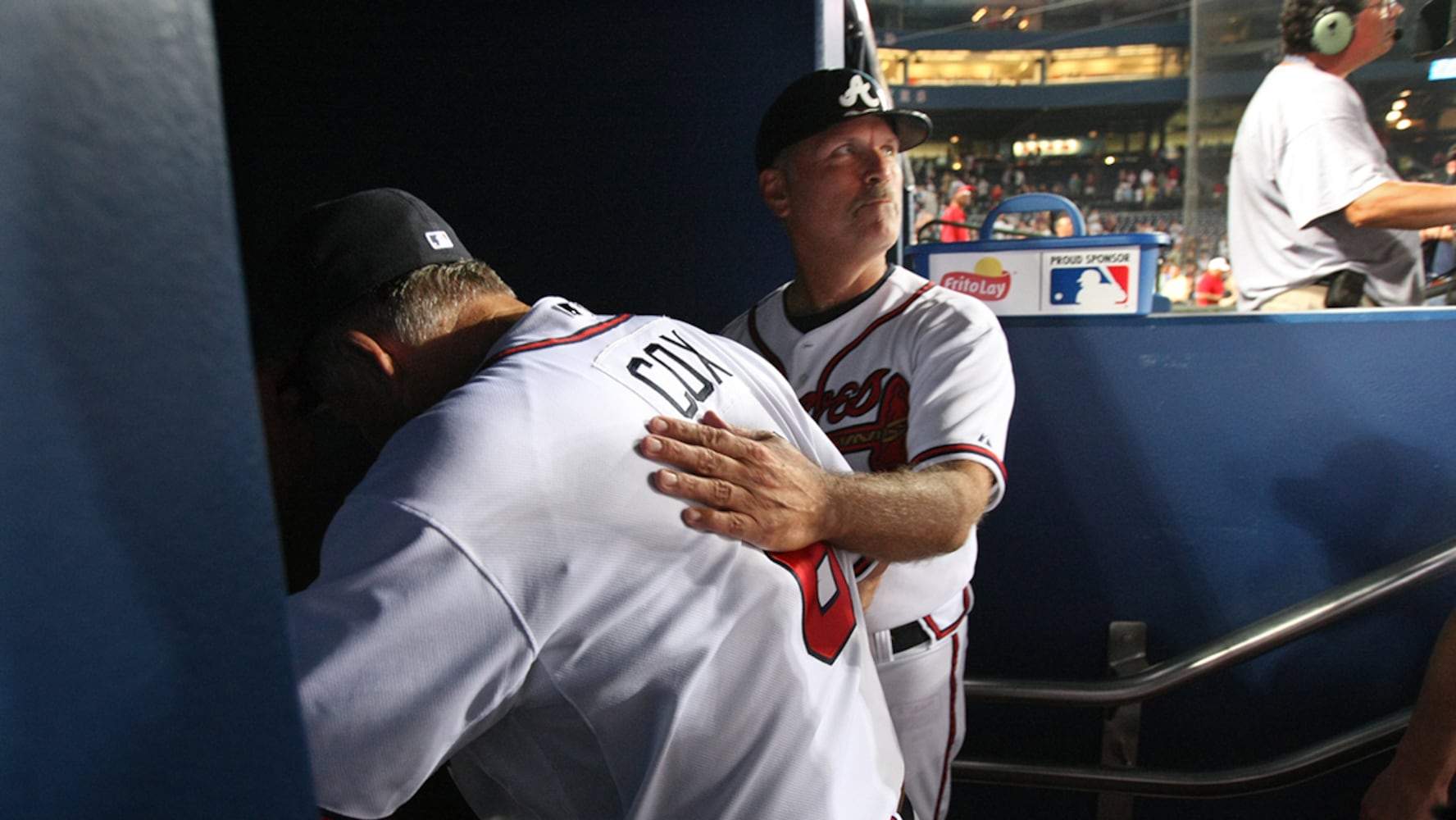
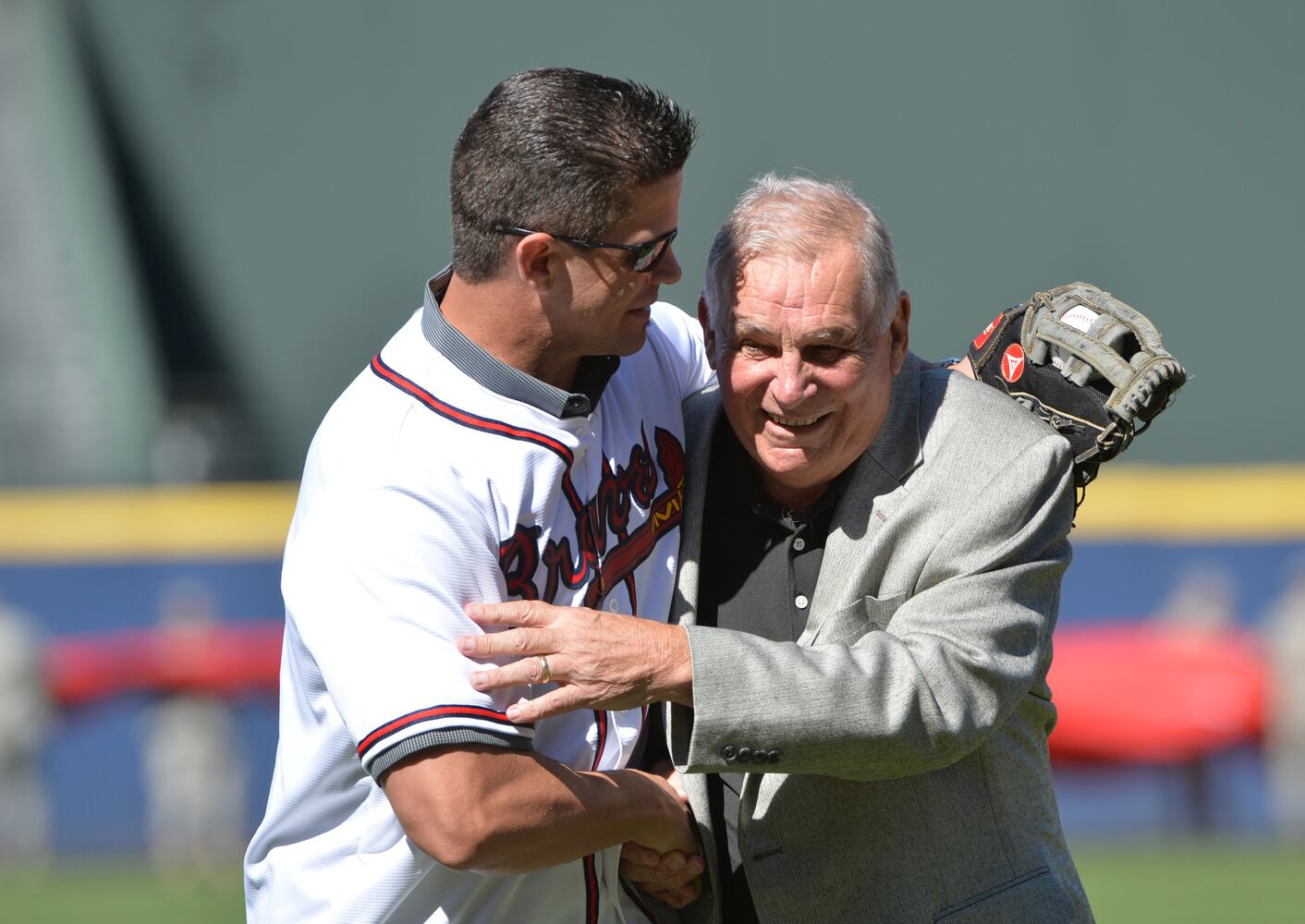
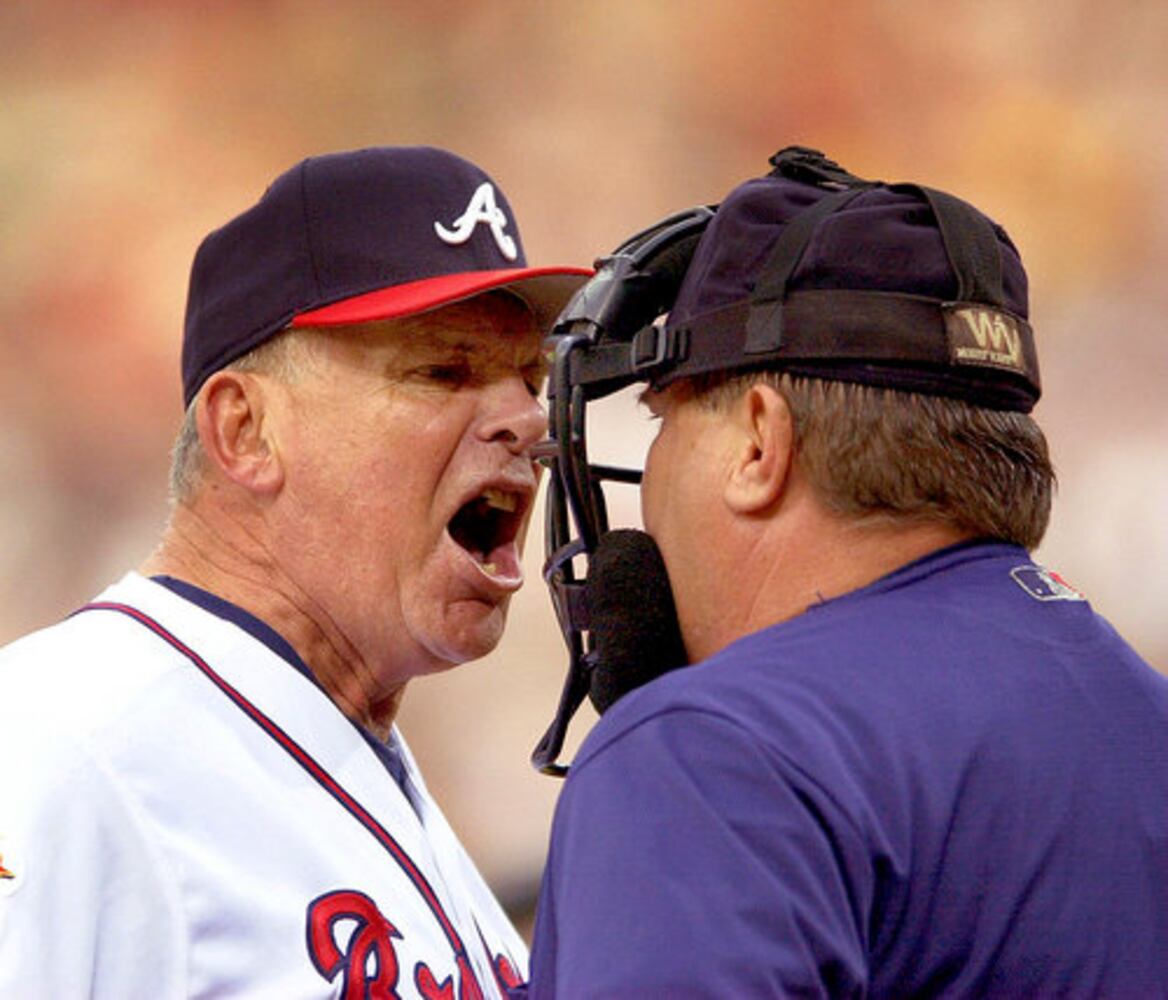
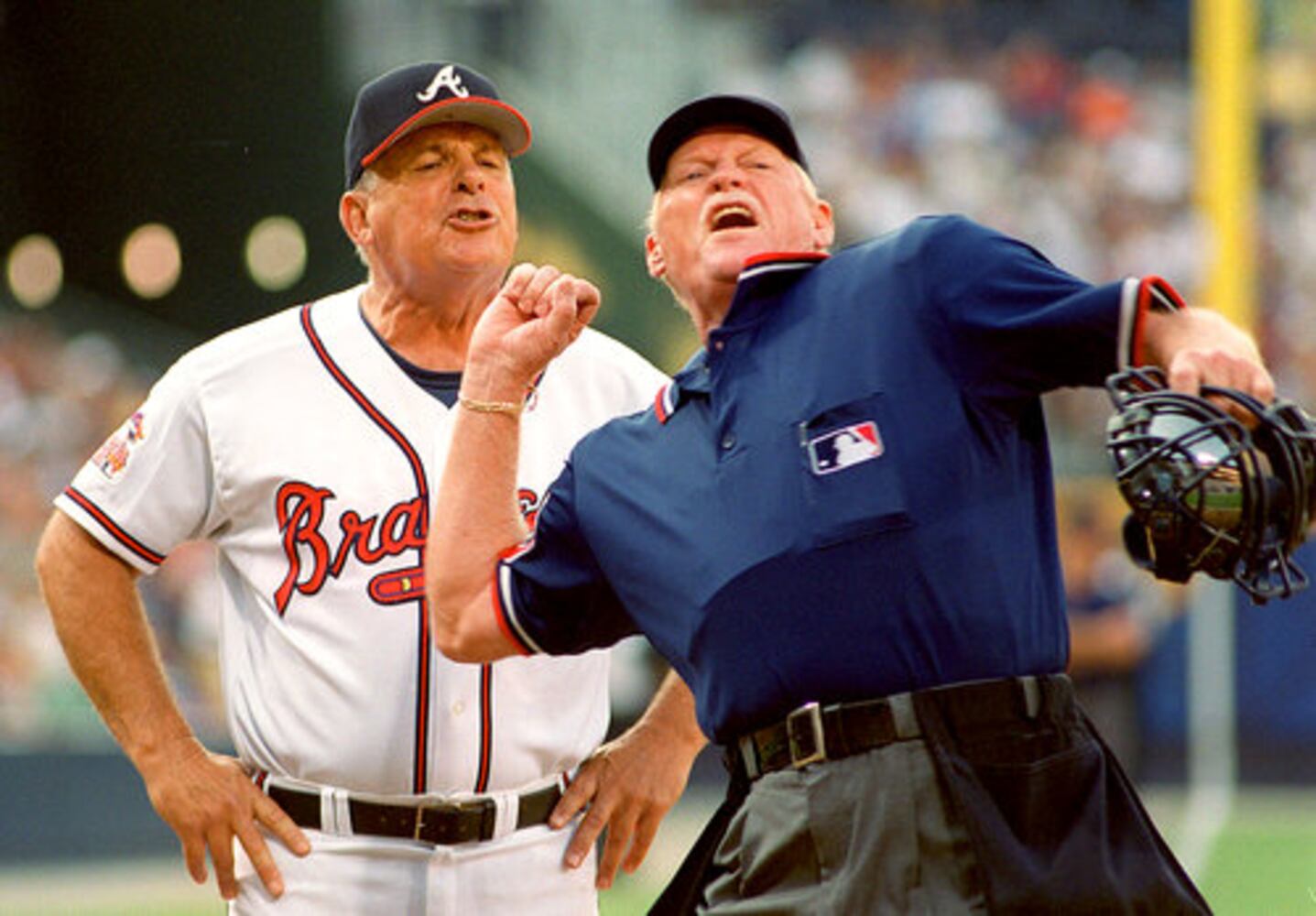
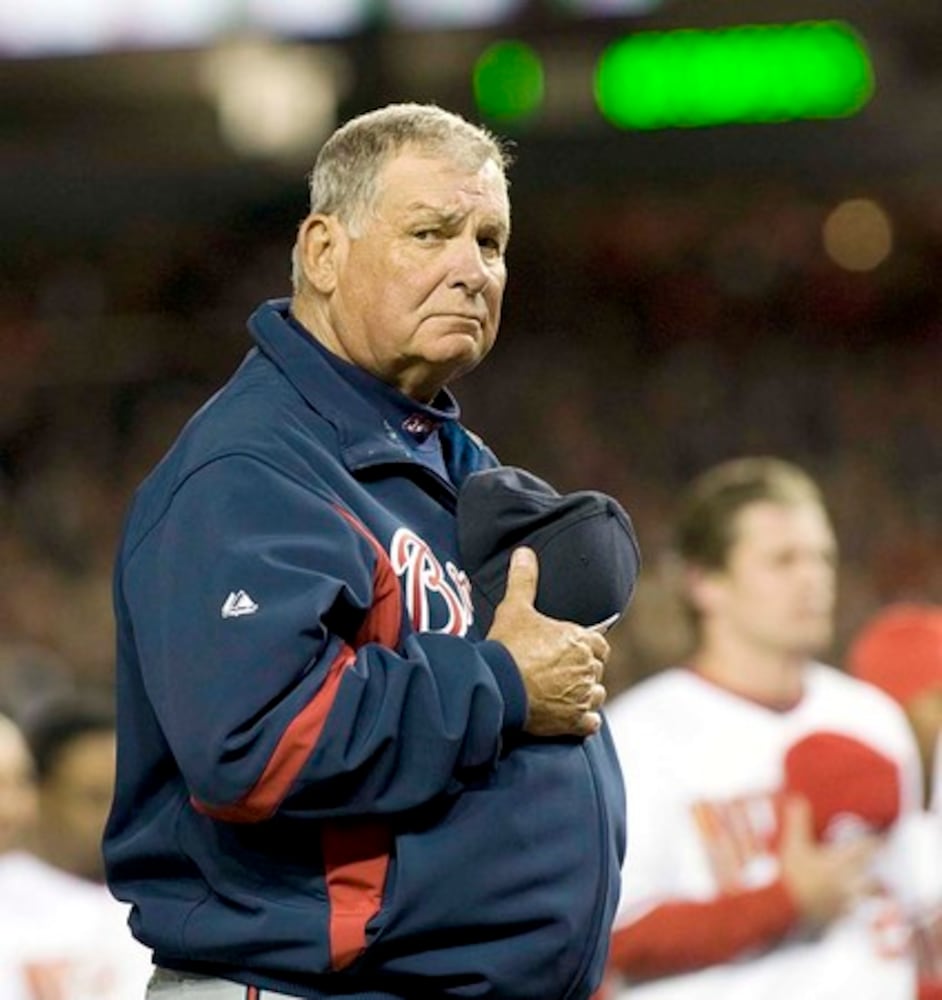
Bobby Cox loved umpires. This is not a joke. Baseball’s all-time Thumb King — he was ejected from 162 games, a record that should stand forever — liked people, period, umps included.
“If any of them needed help in some way,” he once told me, “I’d do anything I could for them.”
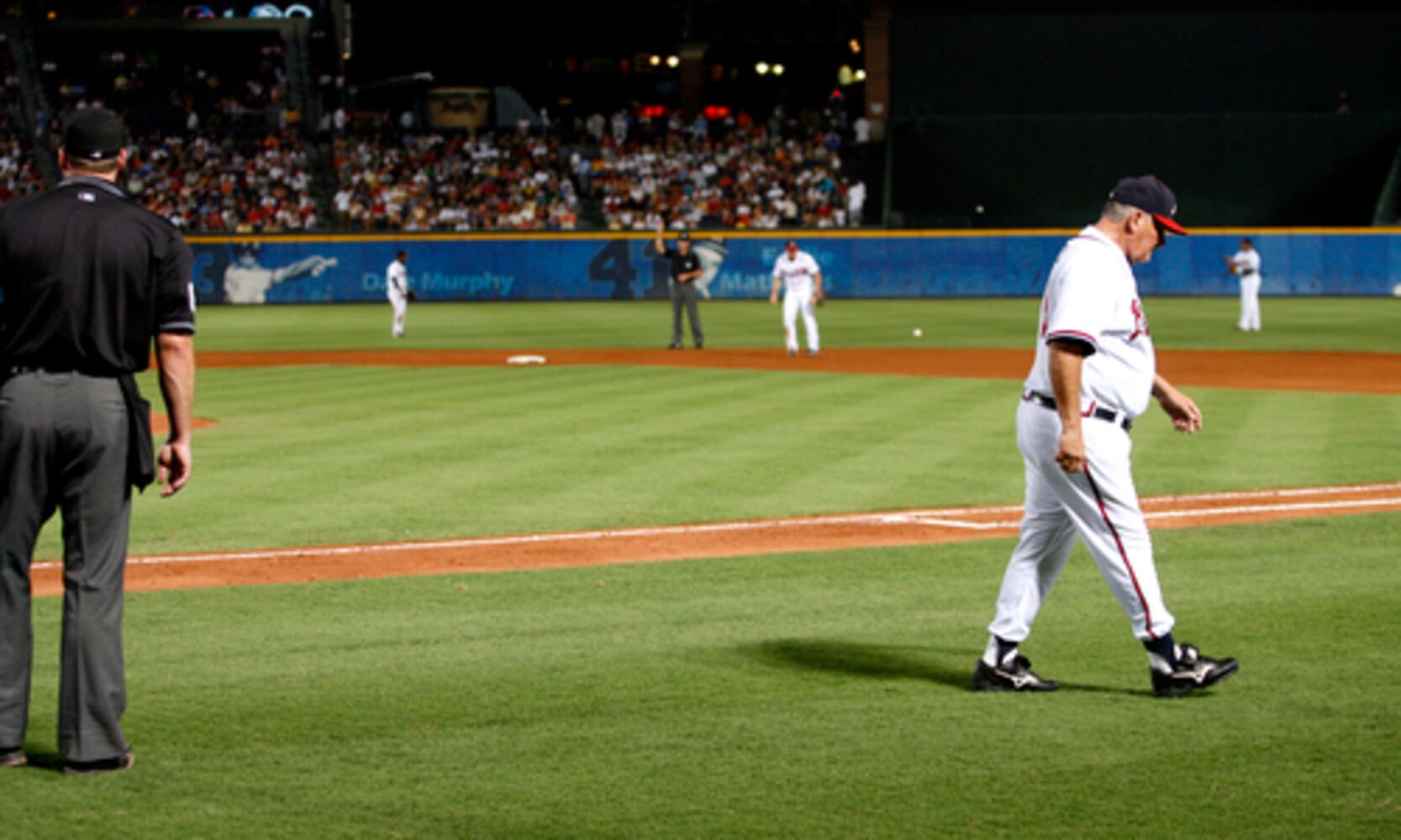
Cox would get tossed from a game — usually for arguing balls and strikes, despite his aces Tom Glavine and Greg Maddux getting the benefit of every doubt — and he’d see the offending ump the next day and it’d be “Hey, Joe,” or “Hey, Harry.” He’d get a “Hey, Bobby,” right back. Umpires liked him, too.
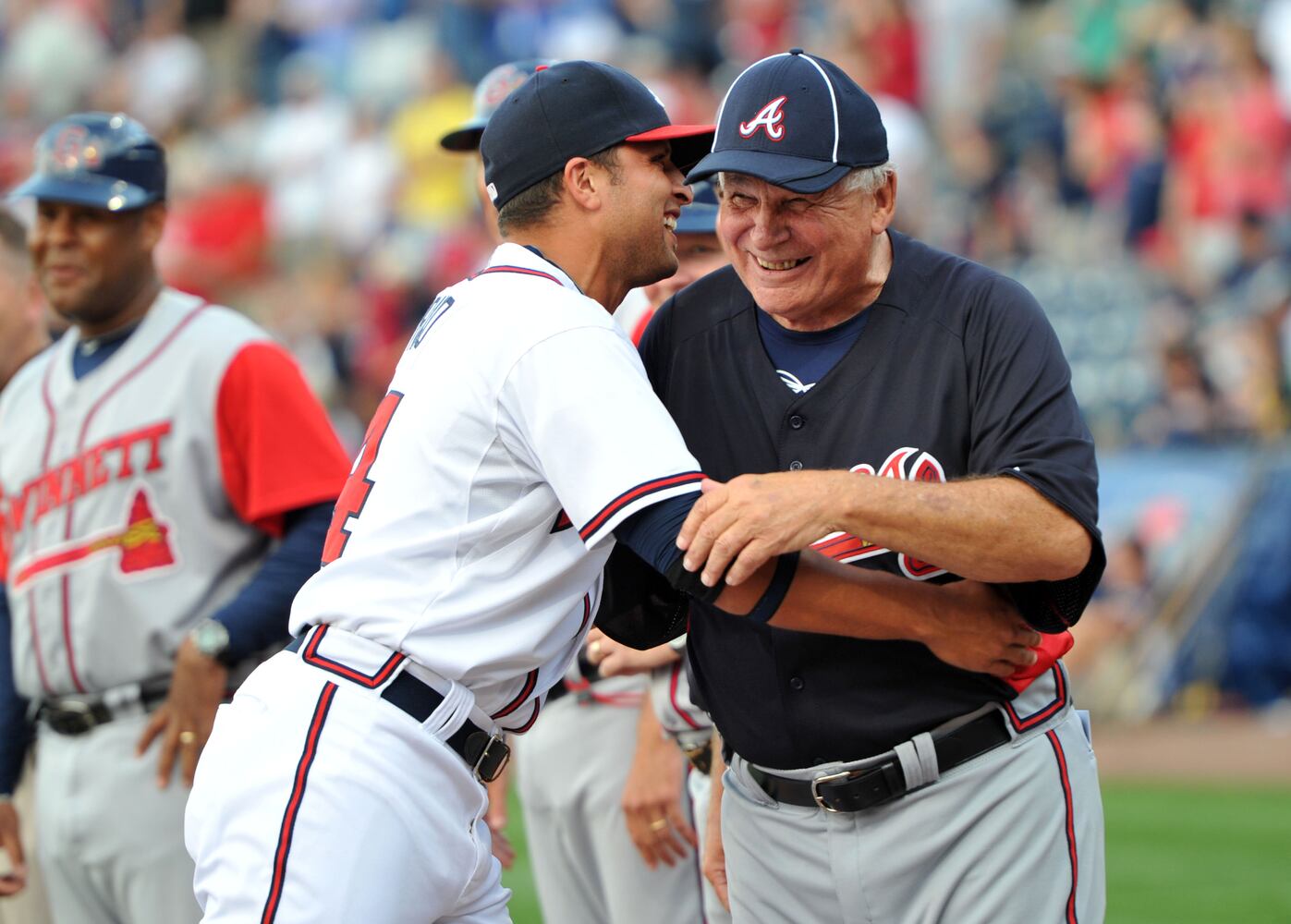
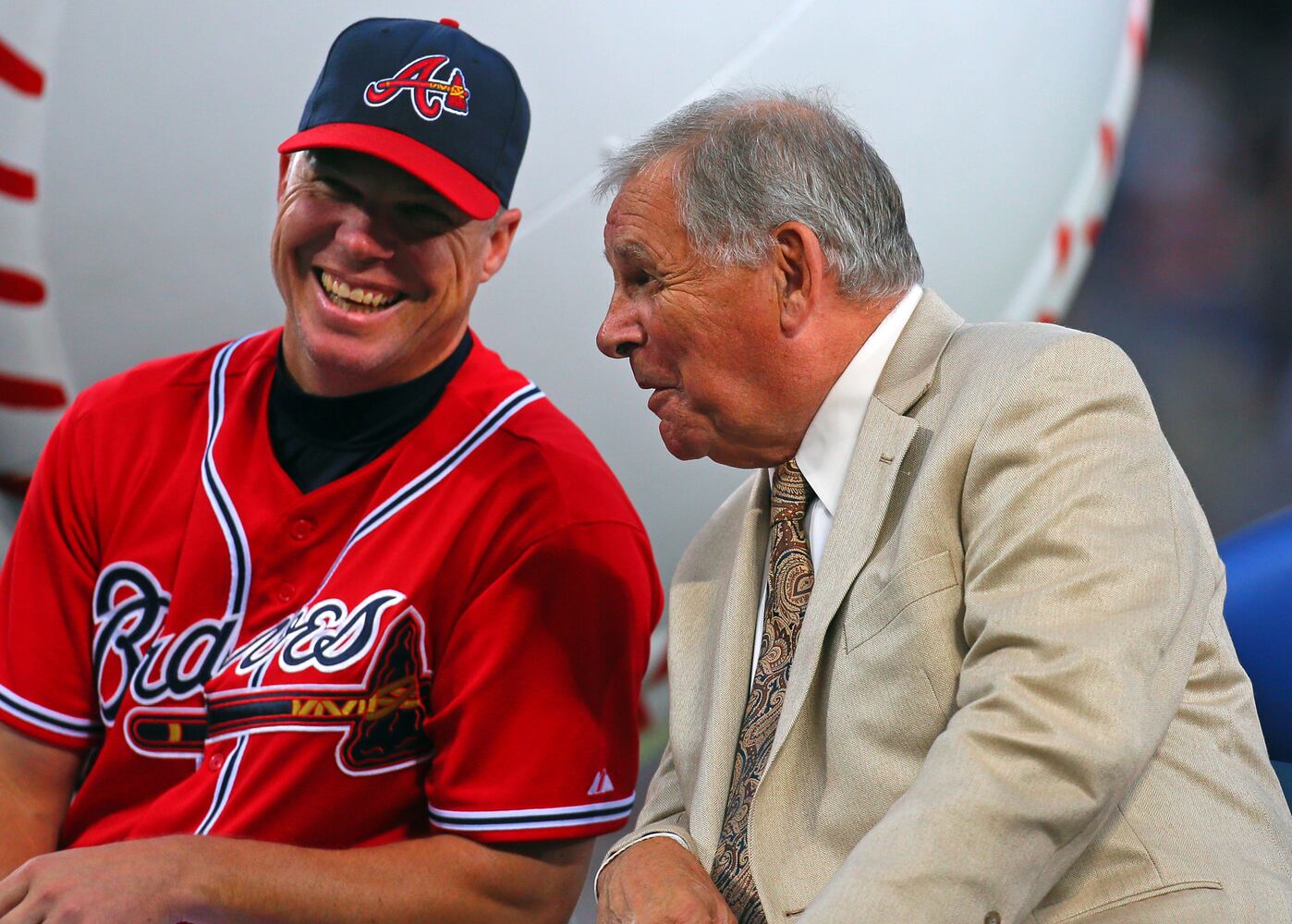
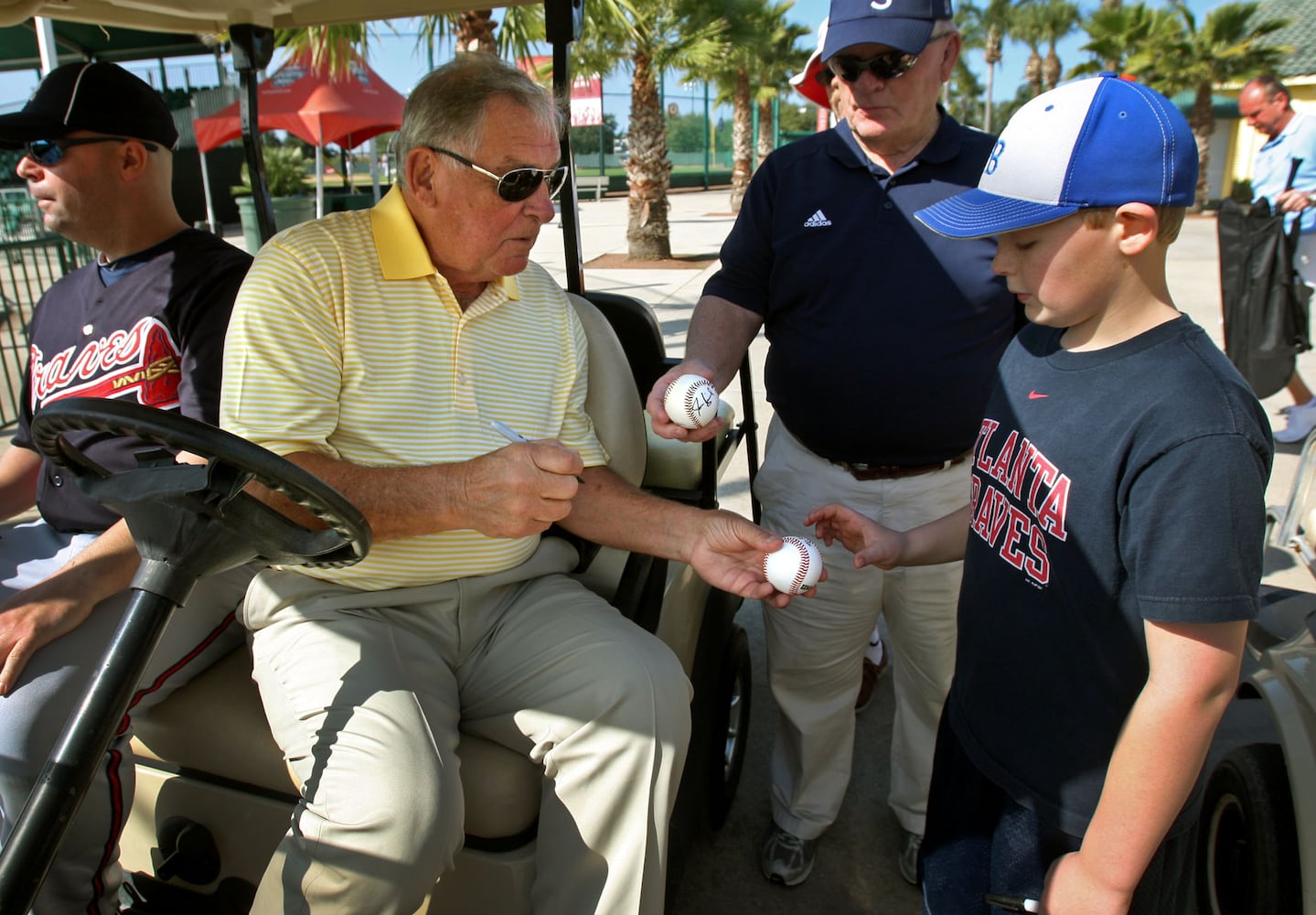
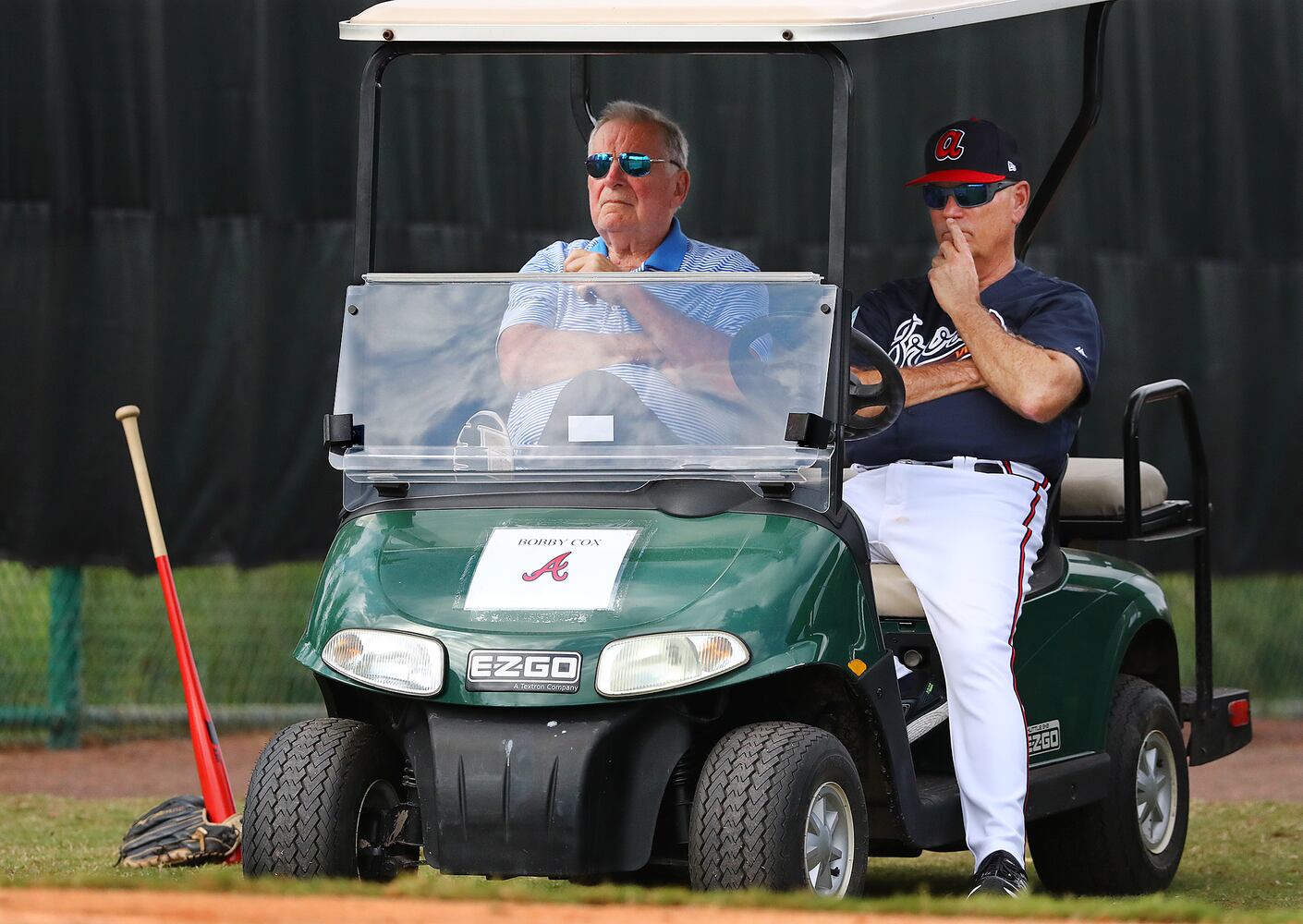
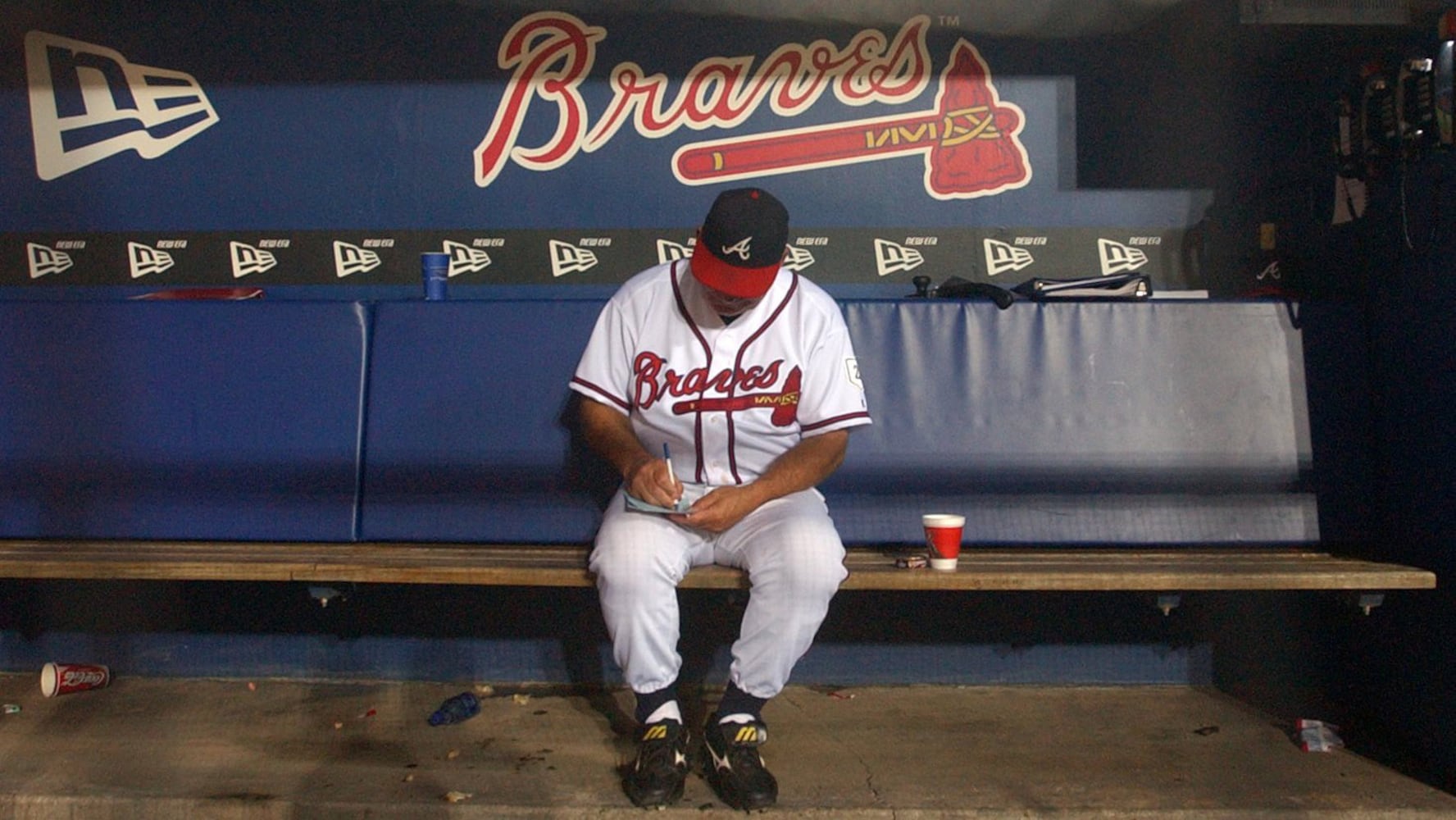
It was impossible to dislike Bobby Cox. He was the world’s most upbeat human. He loved everything about his chosen profession. He’d arrive at the ballpark six hours before the first pitch because there was nowhere he’d rather be. If he was ordered to leave before a game was completed … well, that was because, as much as he loved umpires, he loved his players more.
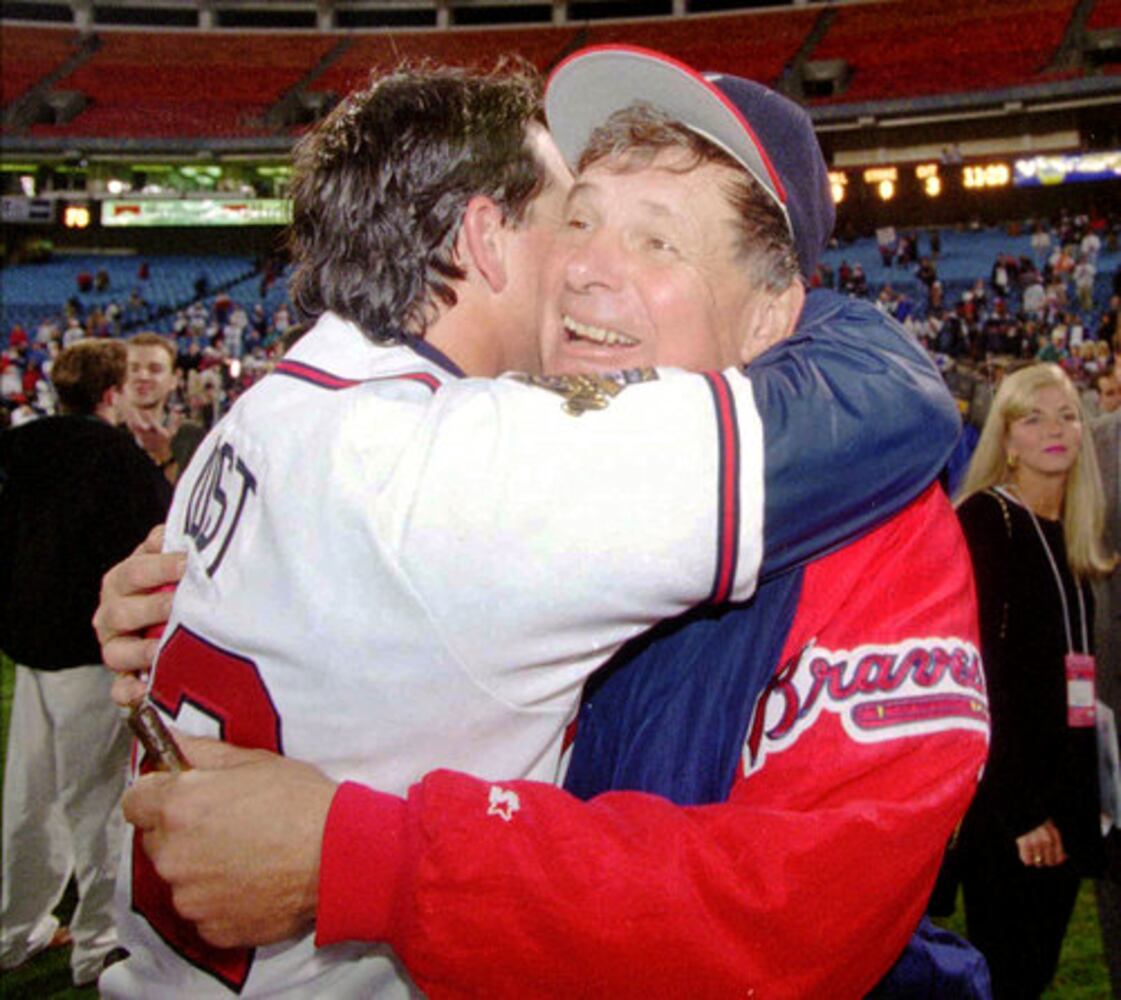
If you played for him, you were his guy. If you were the last man in the bullpen, you mattered as much as Glavine and Mad Dog. The minute you pulled on a Braves uniform, Cox saw you the way a Little League dad sees his child. What do dads do? Yell at the umpire for cheating his kid.
Cox and I had hundreds of conversations over the 25 years of his second stint with the Braves. Not once did he speak a discouraging word about a current Brave, not even off the record. (Should a player become an ex-Brave, Cox might venture a gentle jibe, though never for publication.)
Why did players love playing for him? Because there was nothing phony about him. He’d give them lame nicknames, but he’d treat them like men, not boys. Music wasn’t allowed in a Cox clubhouse because the choice of music could lead to discord, and these players were, literally, on the same team. Bobby Cox’s team.
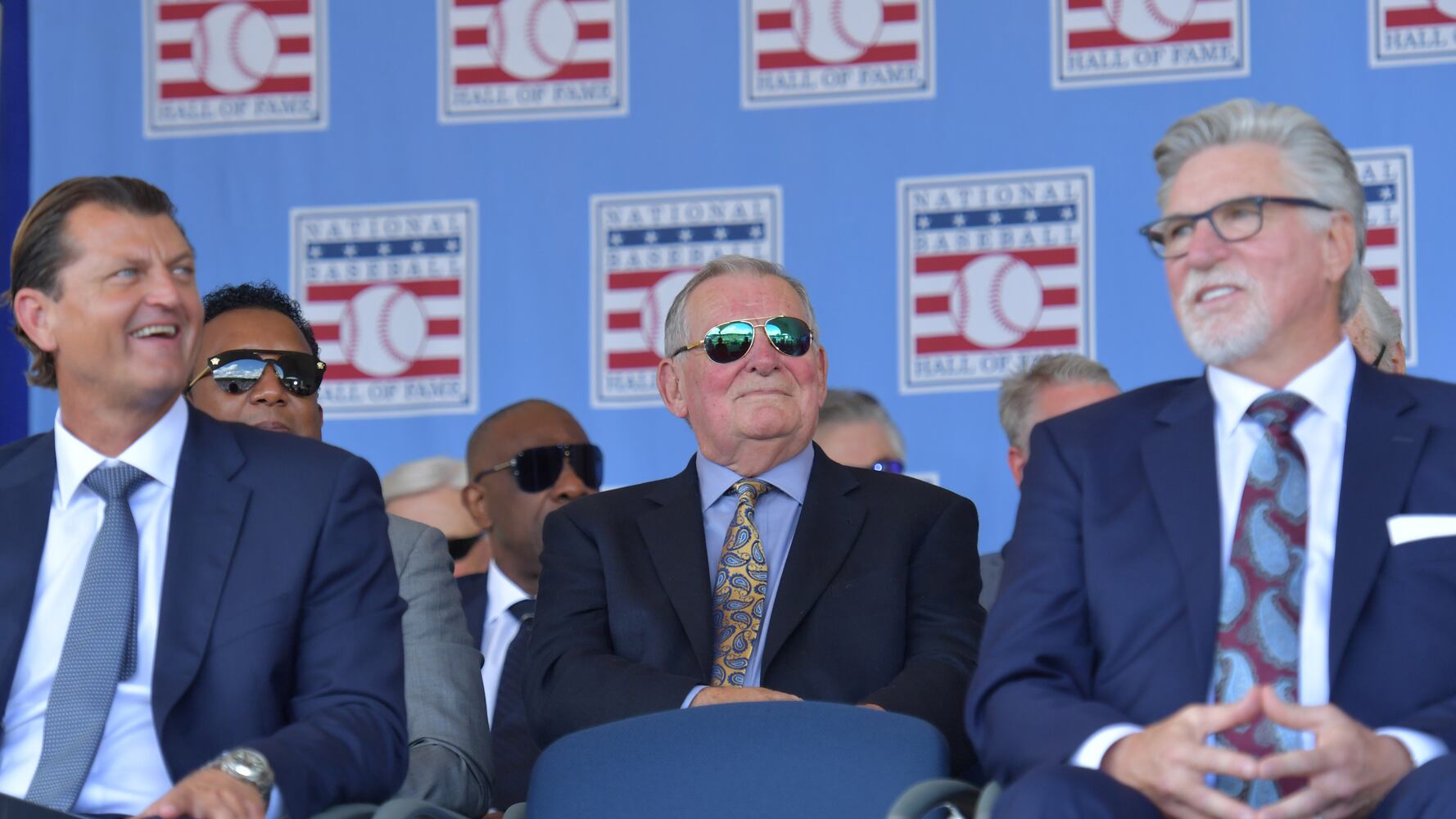
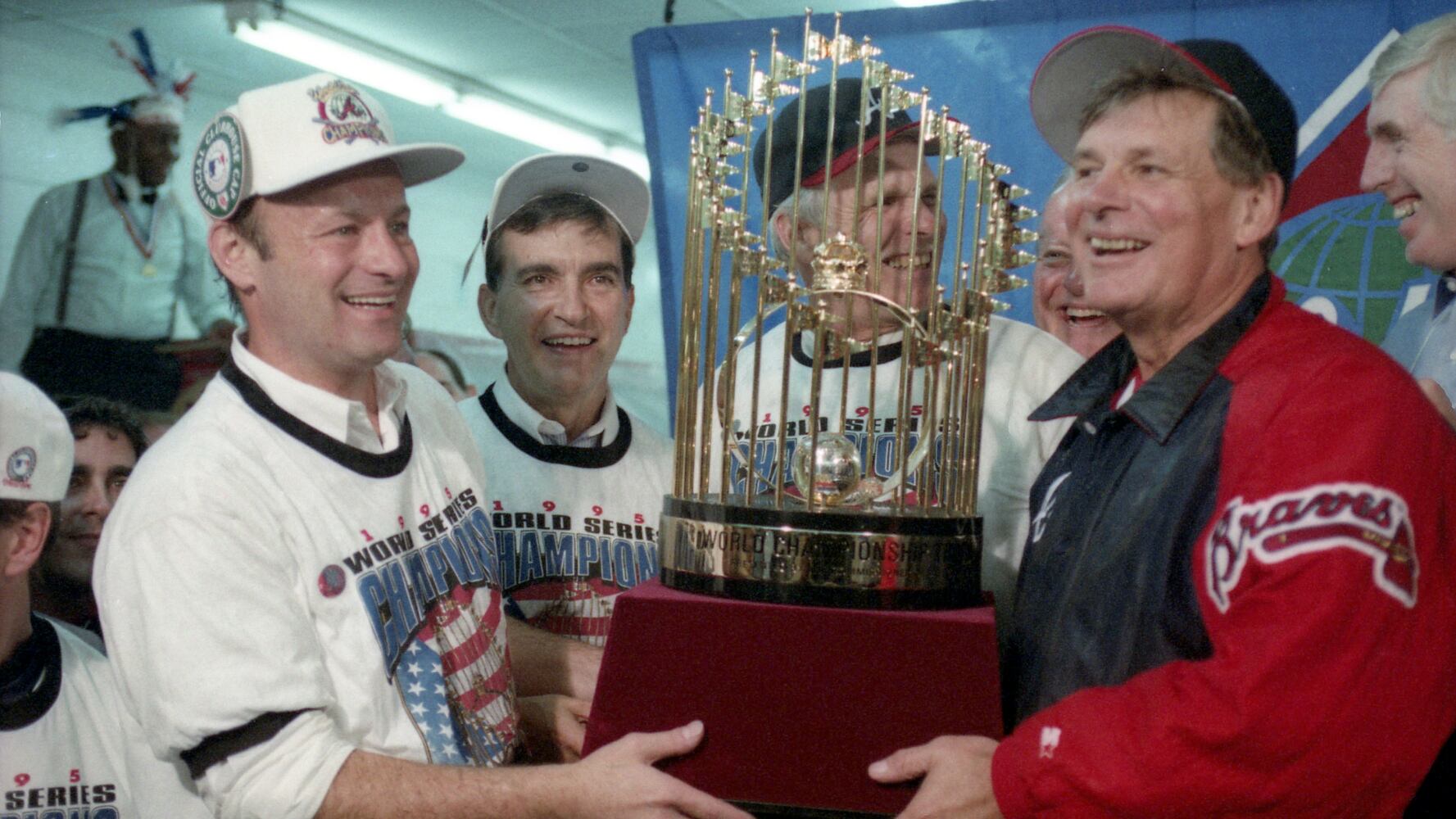
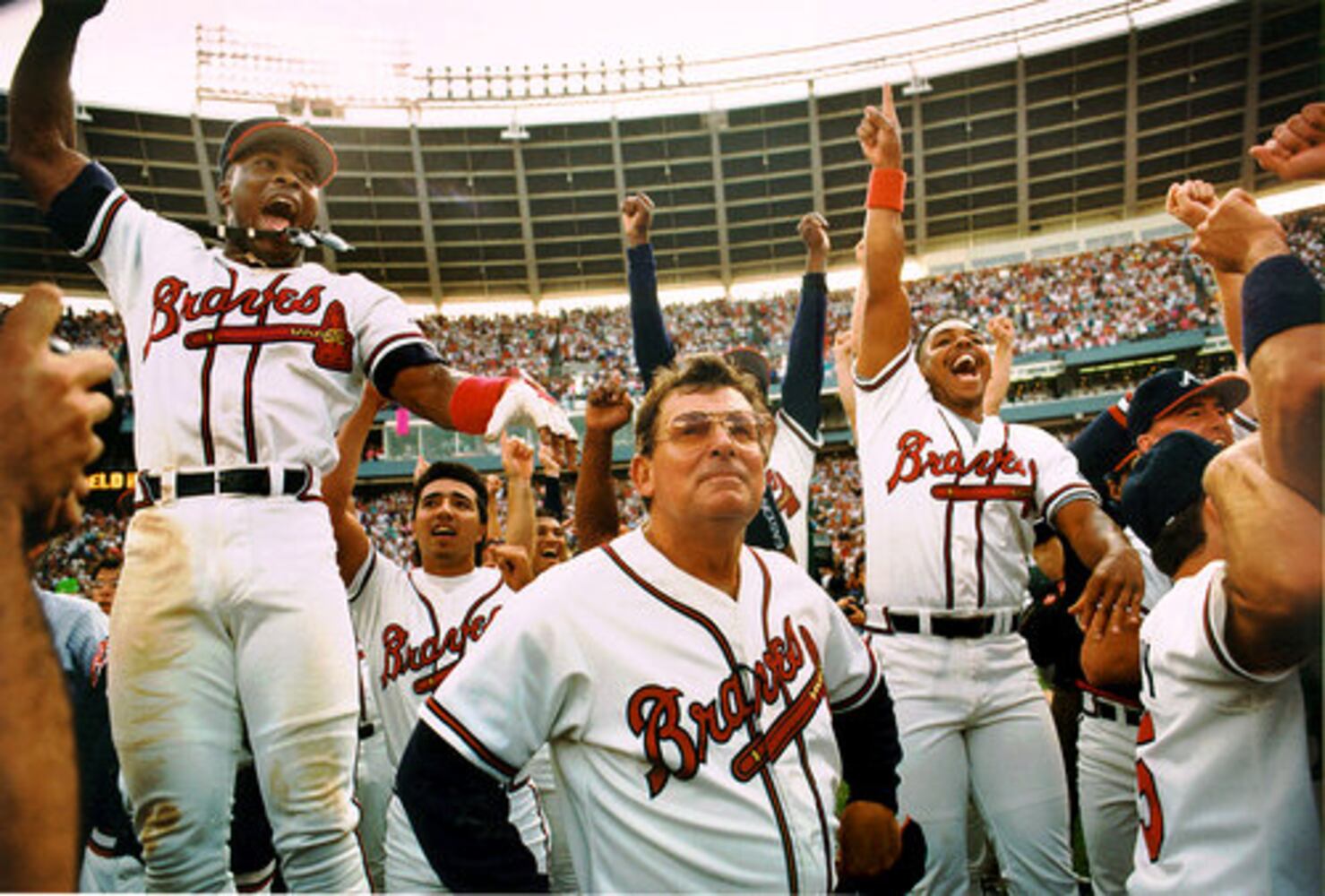
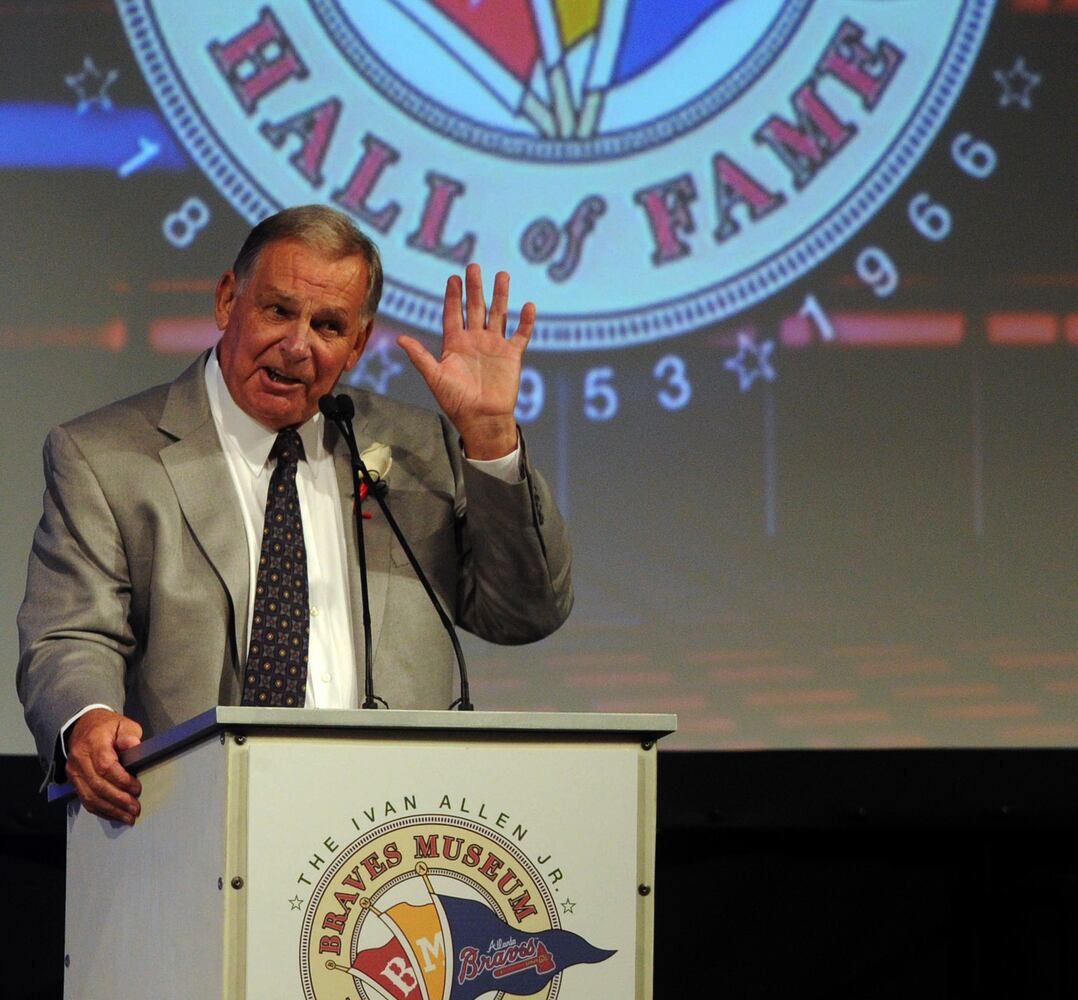
From his 1985 Blue Jays through the 2005 Braves, Cox took teams north from spring training and, over 15 consecutive completed MLB seasons, won a division title every time. That didn’t happen by accident. Yes, the Braves had Hall of Fame talent.
They had a Hall of Fame manager, too.
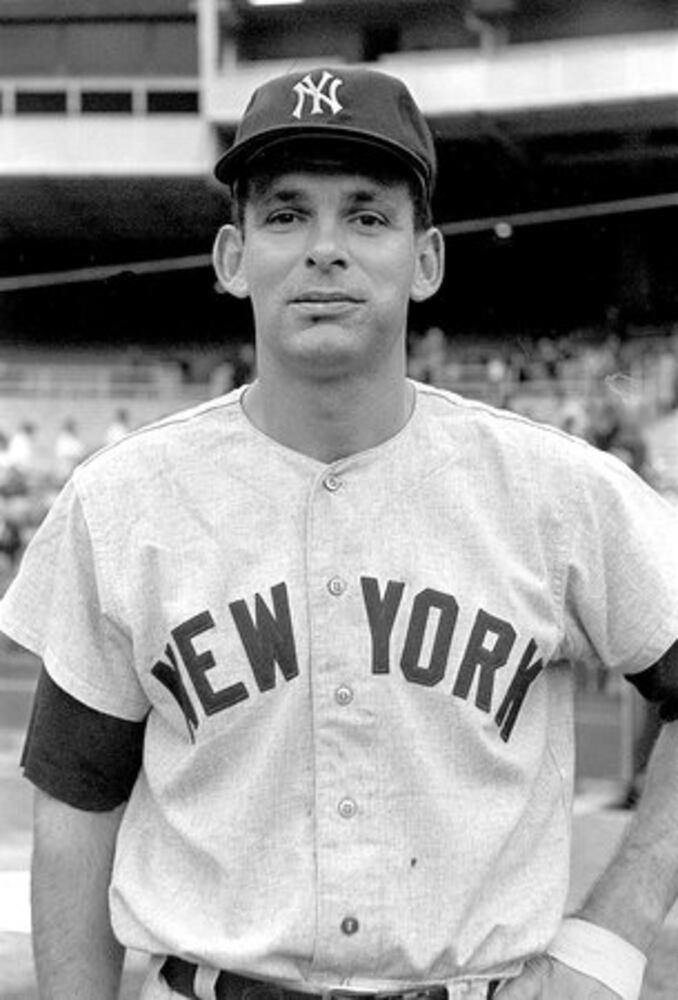
From Stan Kasten when he was Braves president: “The first question you ask about a manager is, ‘Can he lead men?’” Cox could and did. He’d been a player himself, a Yankees third baseman under Ralph Houk, who’d handled both superstars and lesser lights with a deft hand.
From former Braves owner Ted Turner, asked in 1981 what sort of manager he was then seeking: “If I hadn’t just fired him, I’d say someone like Bobby Cox.” Turner would rehire Cox in 1985, this time as general manager.
Cox wasn’t terrible as GM — he traded for John Smoltz, drafted Glavine and Chipper Jones — but he never seemed comfortable in the sweater vests he then favored. Only when Kasten persuaded Cox to move back downstairs in June 1990 was order restored to nature.
I recall walking into the manager’s office at the old stadium that Friday night. Cox stood behind the desk in a Braves uniform, a man again in his element. I thought, “He’s home.”
And so he was.
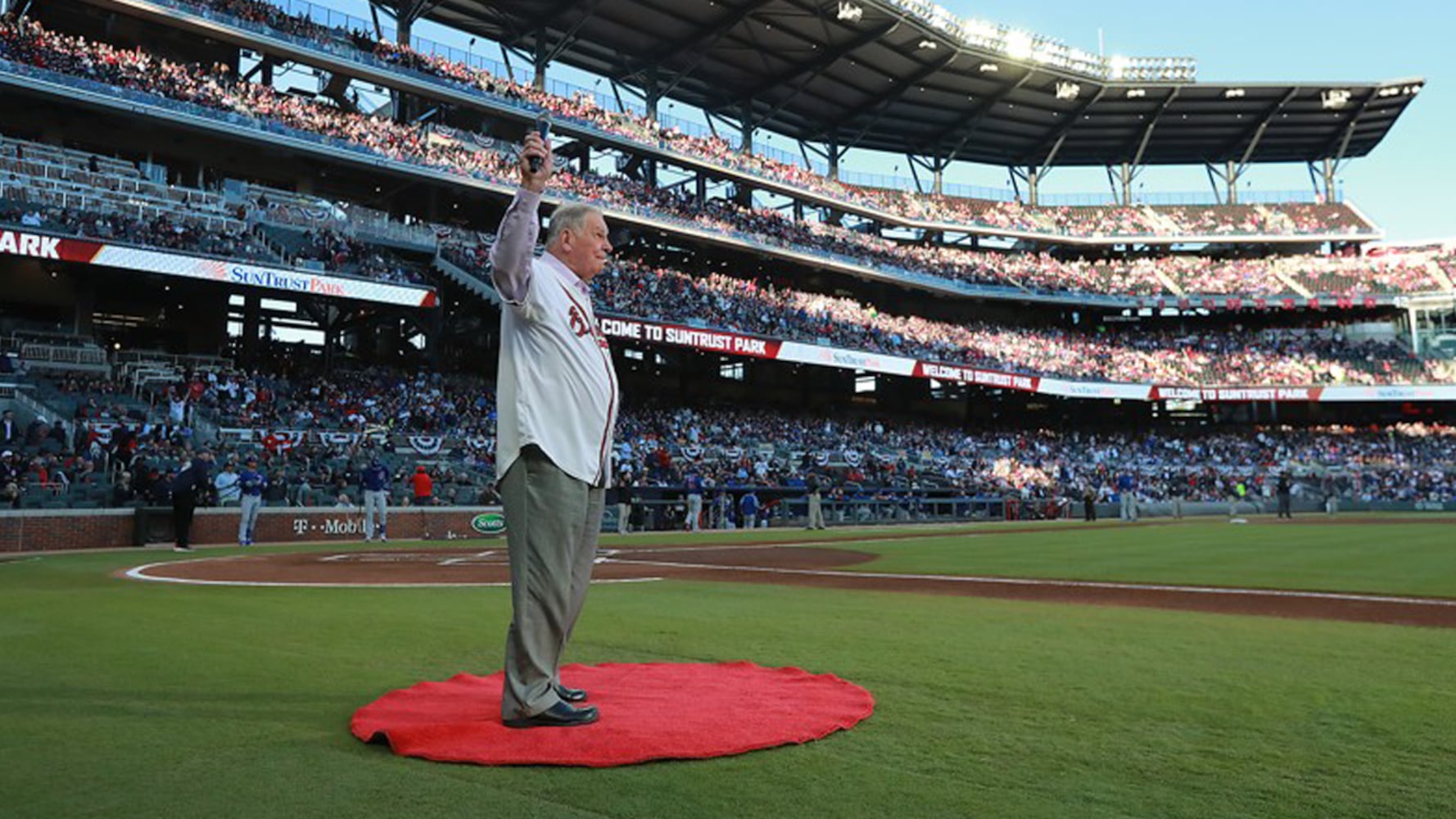
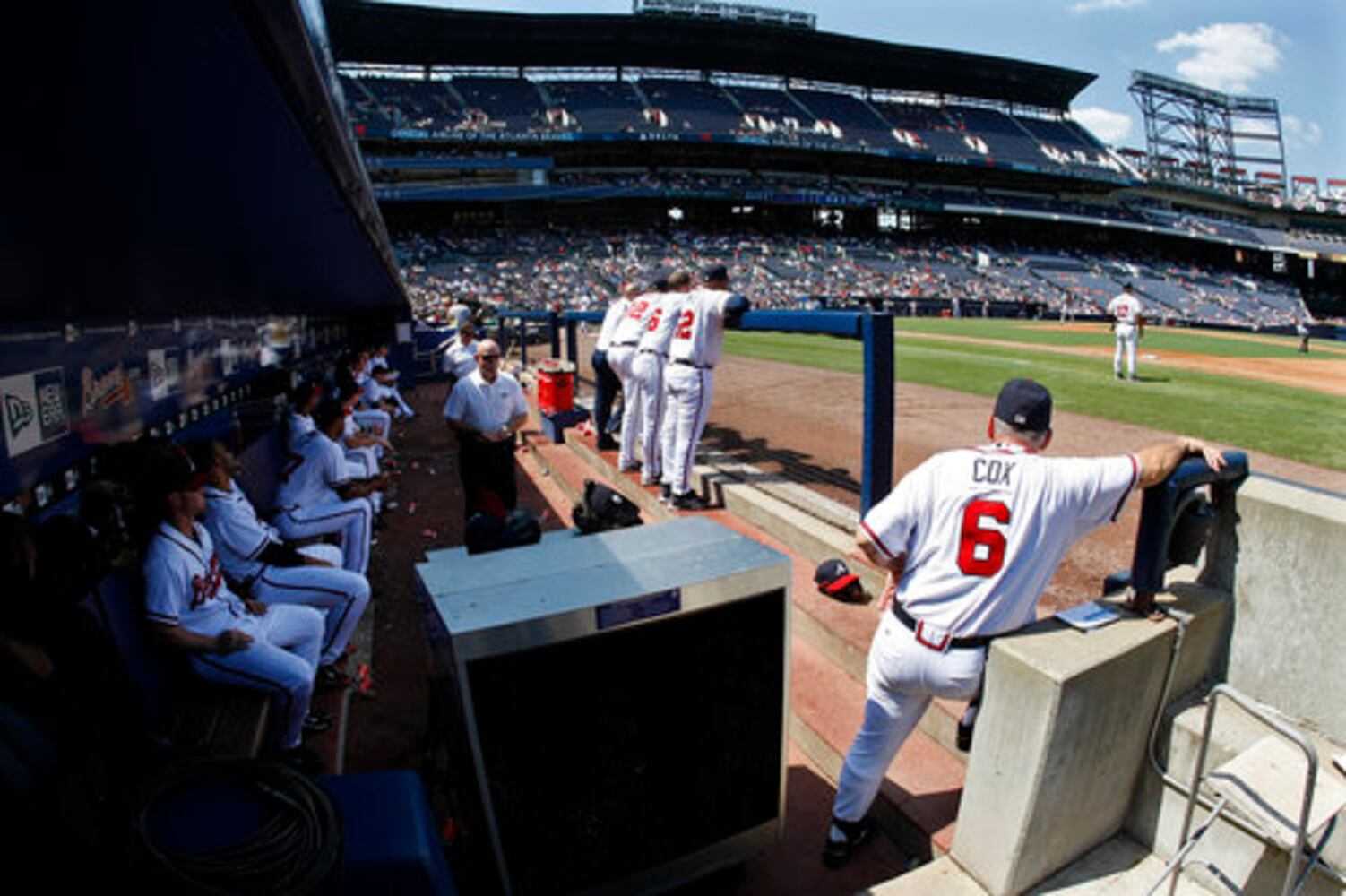
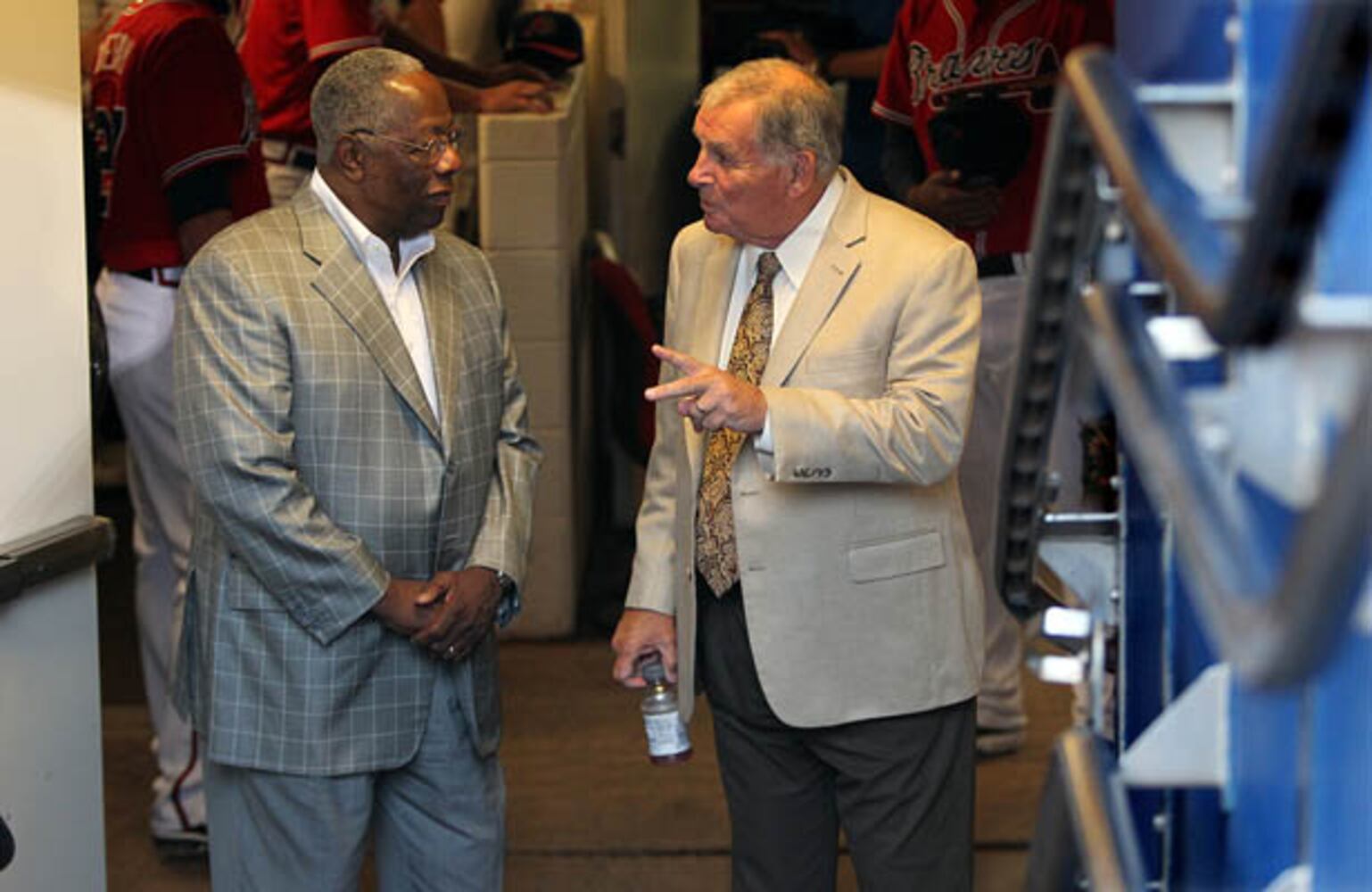
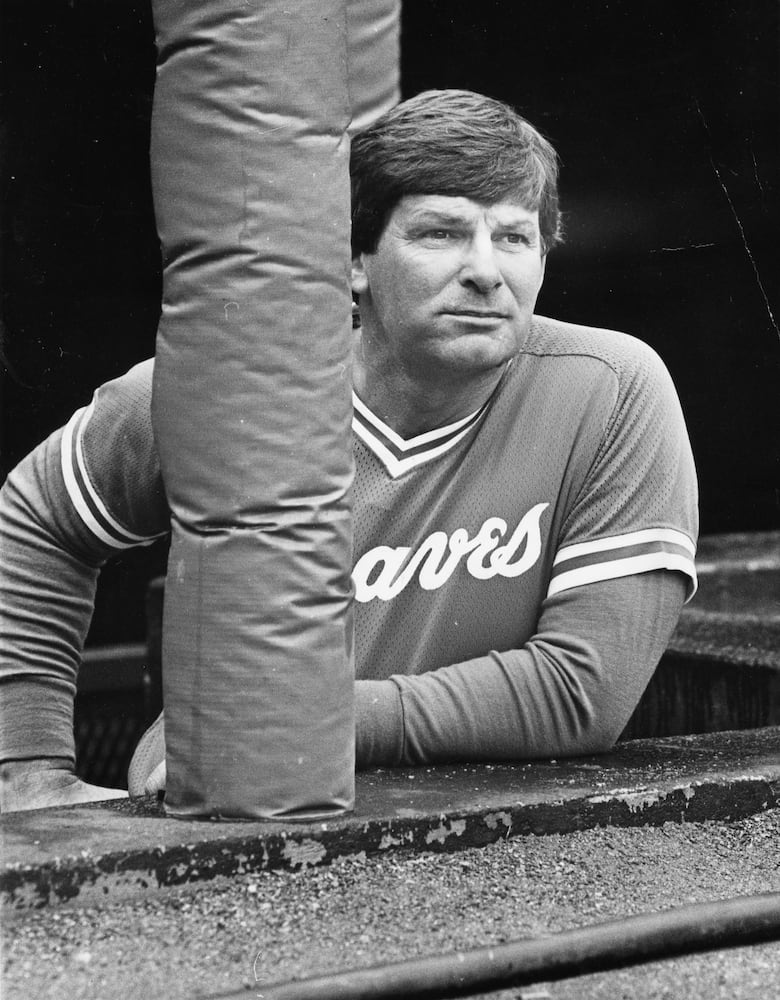
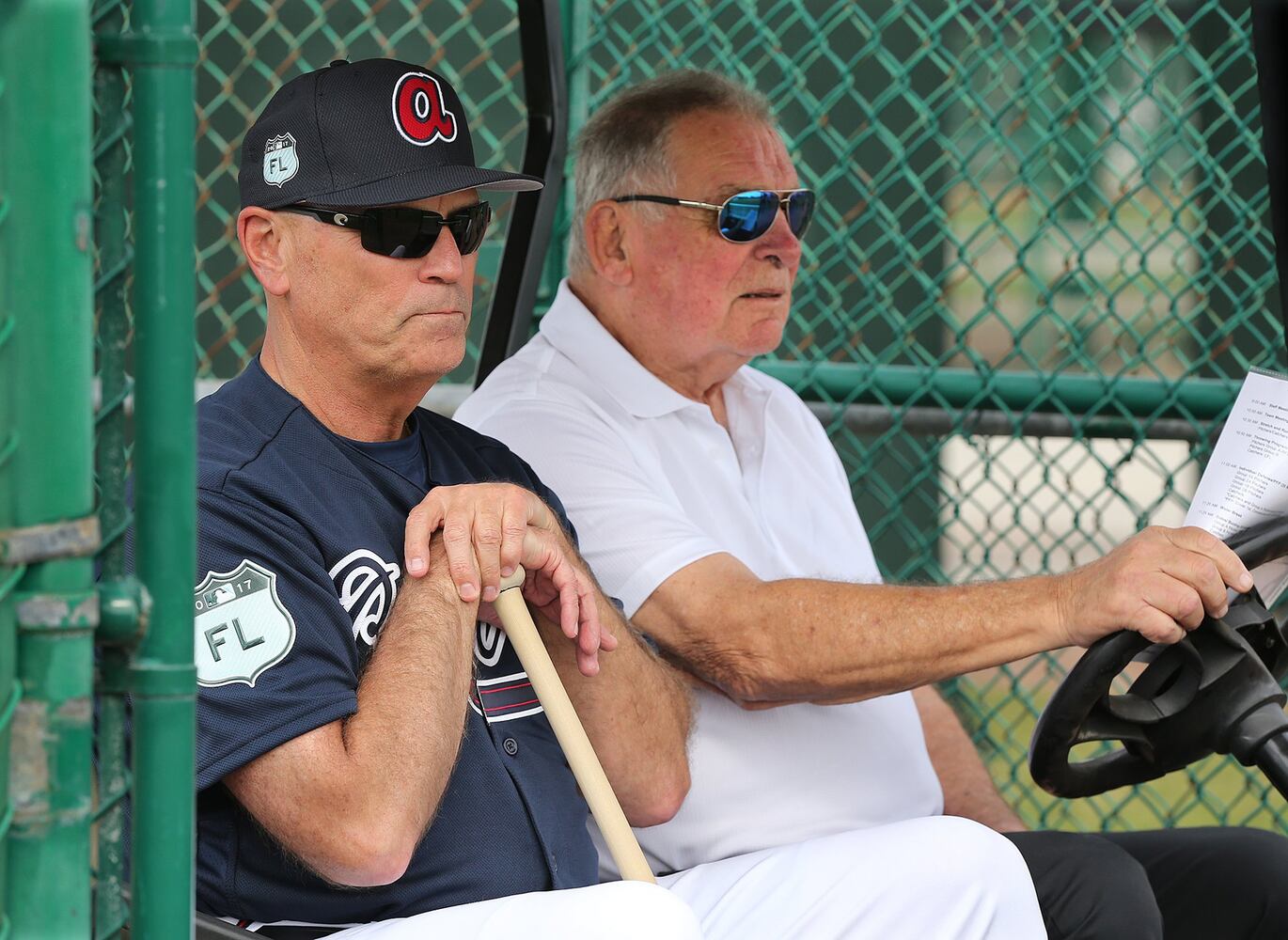
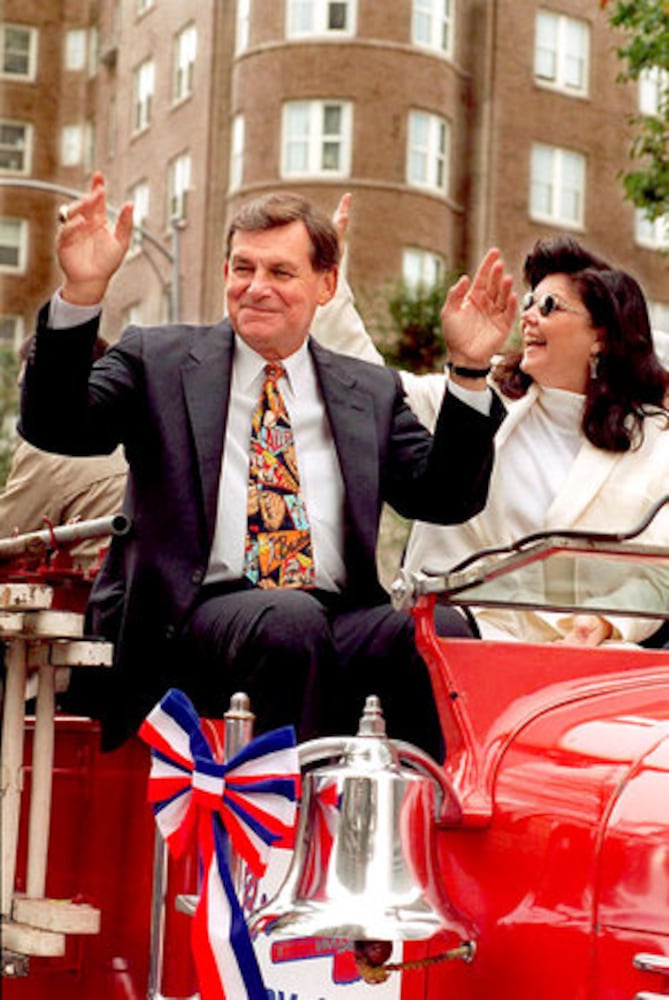
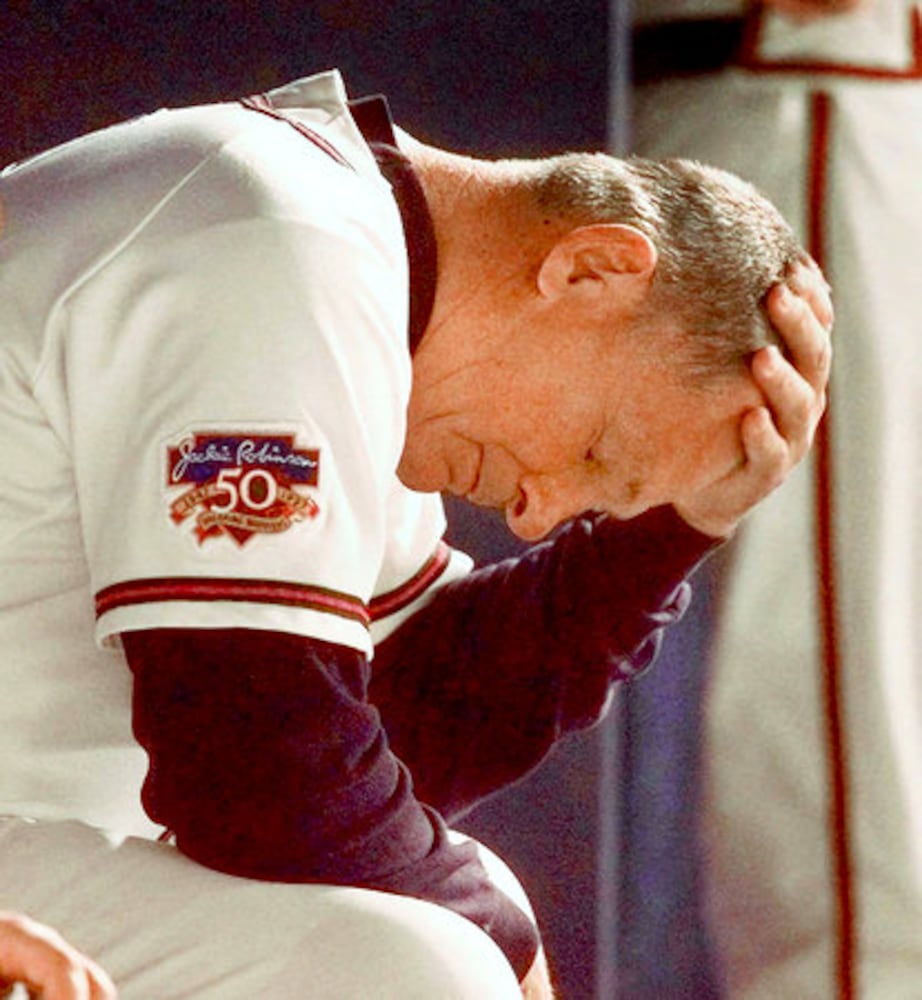
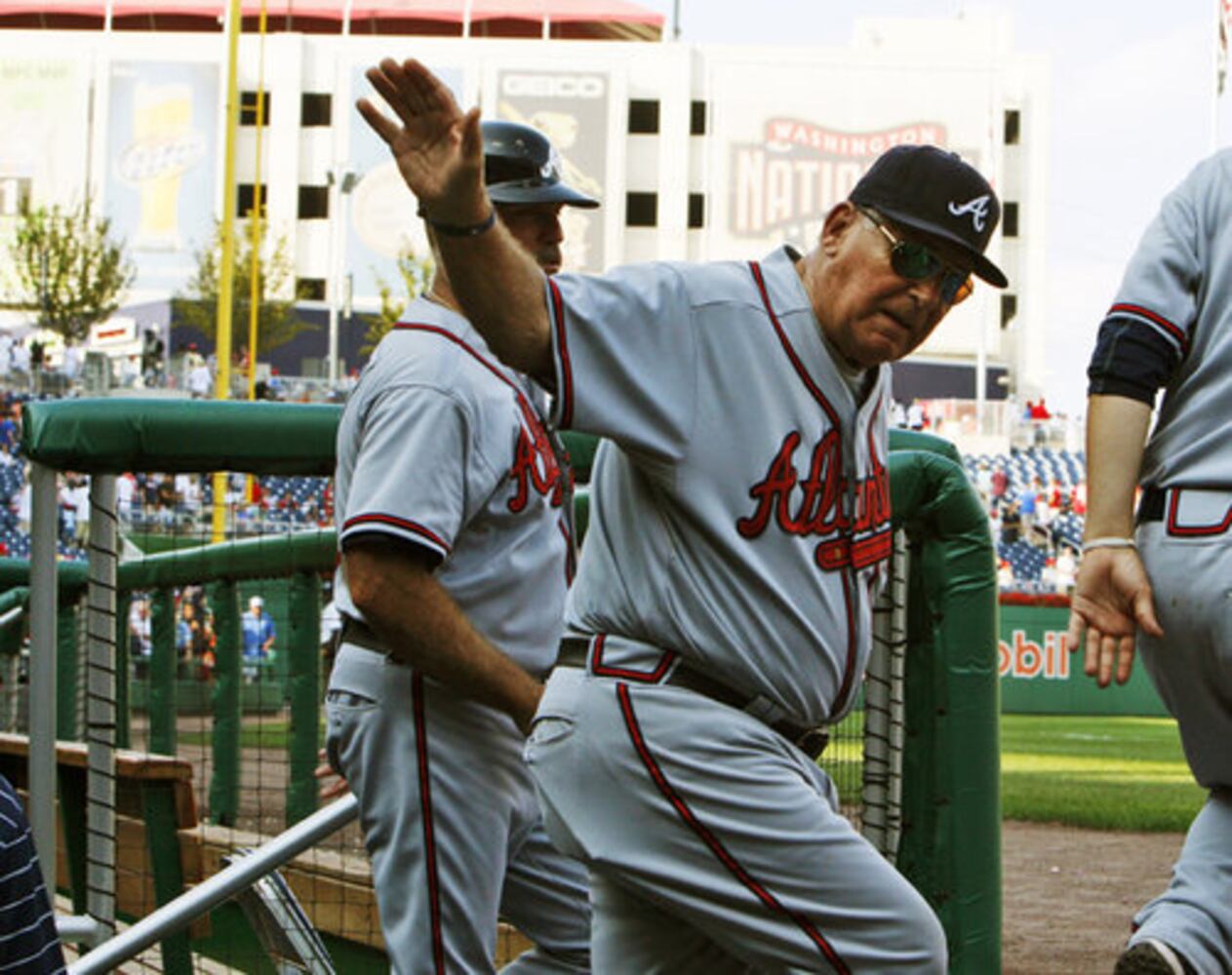

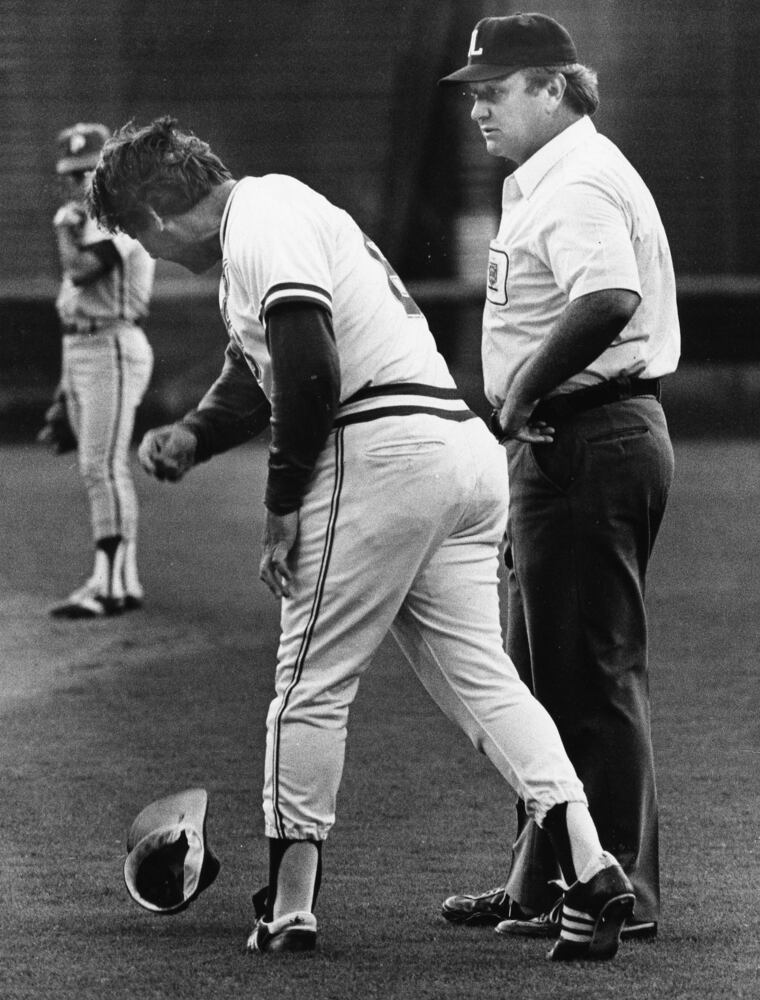


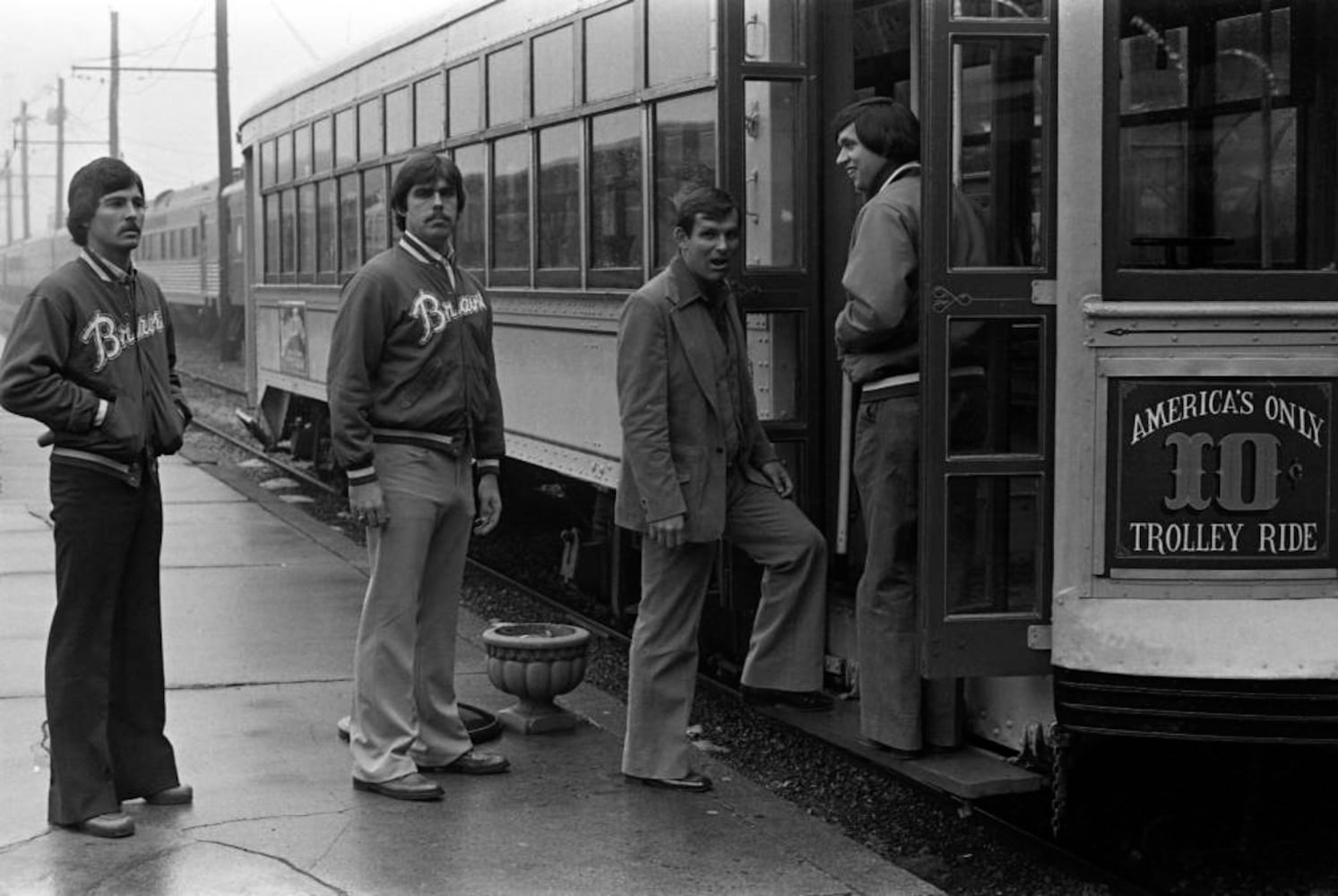
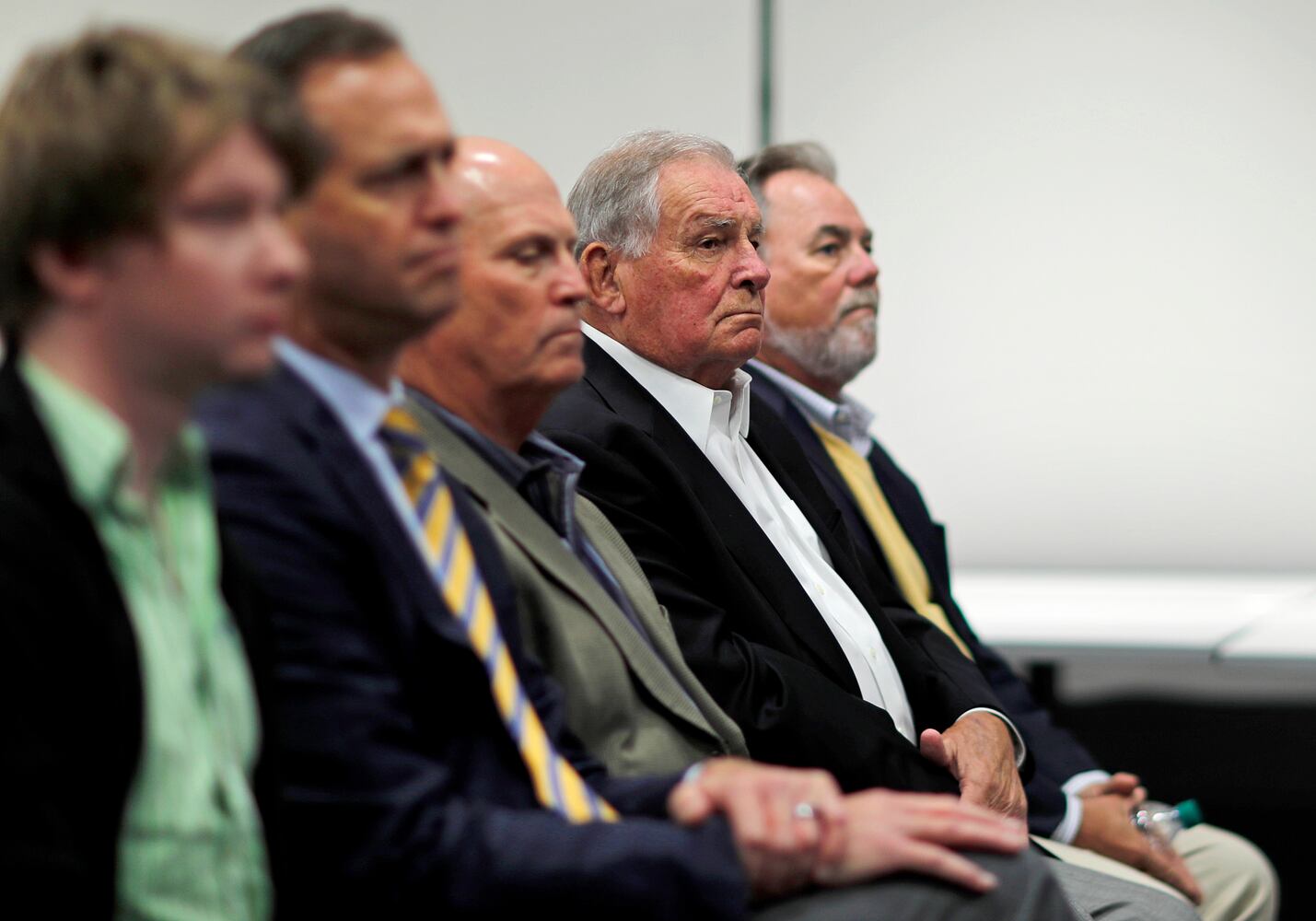
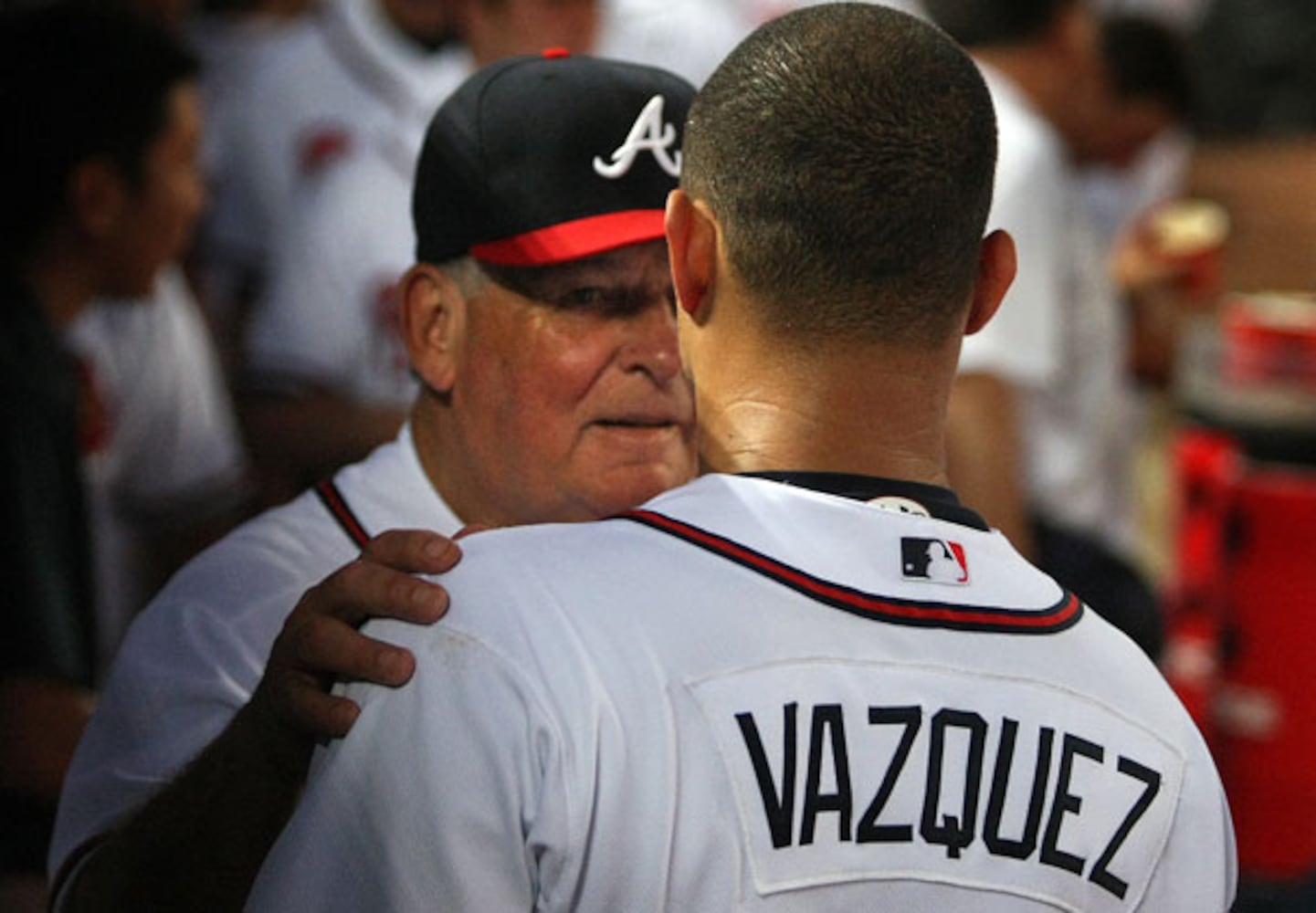
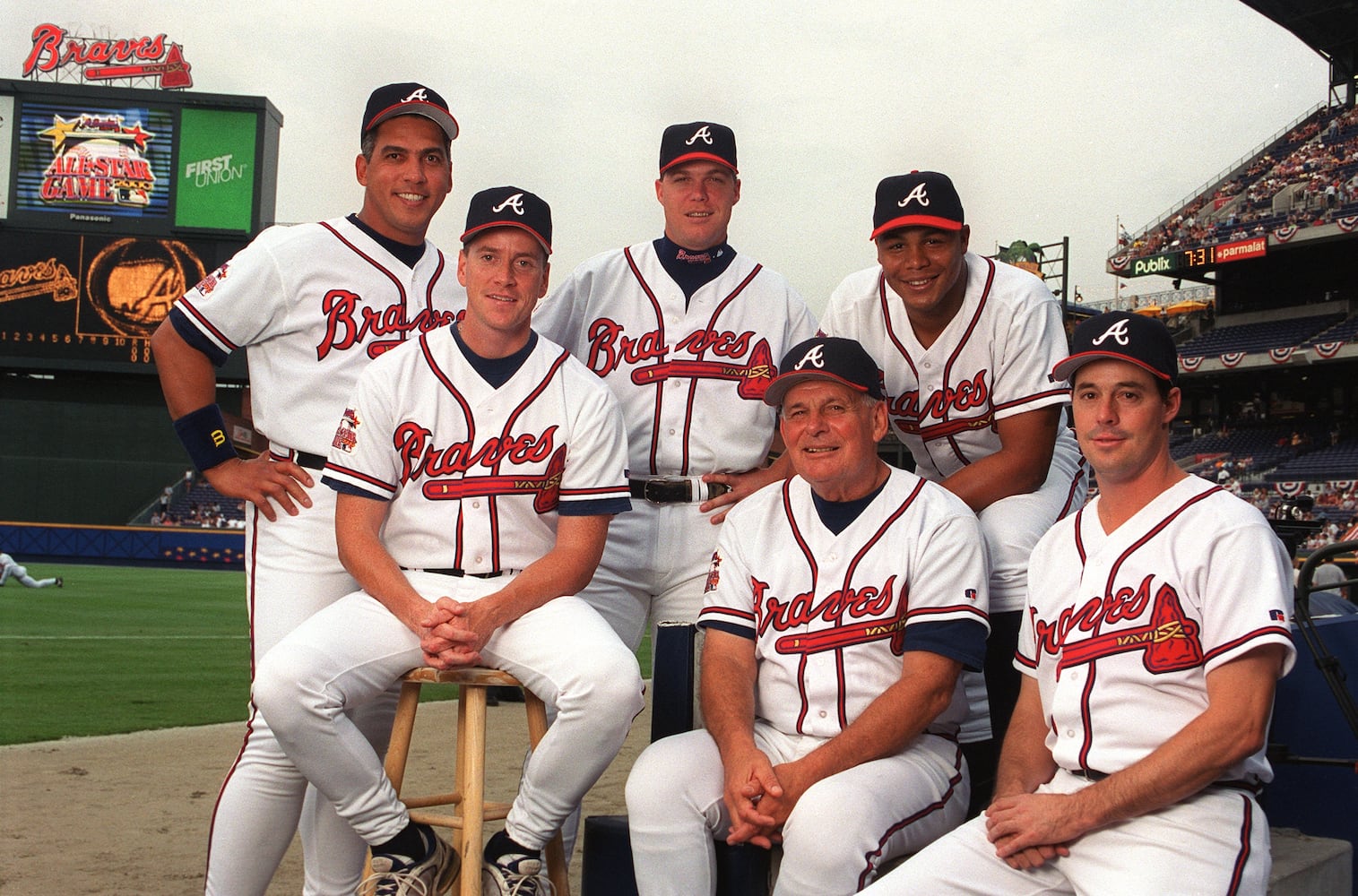
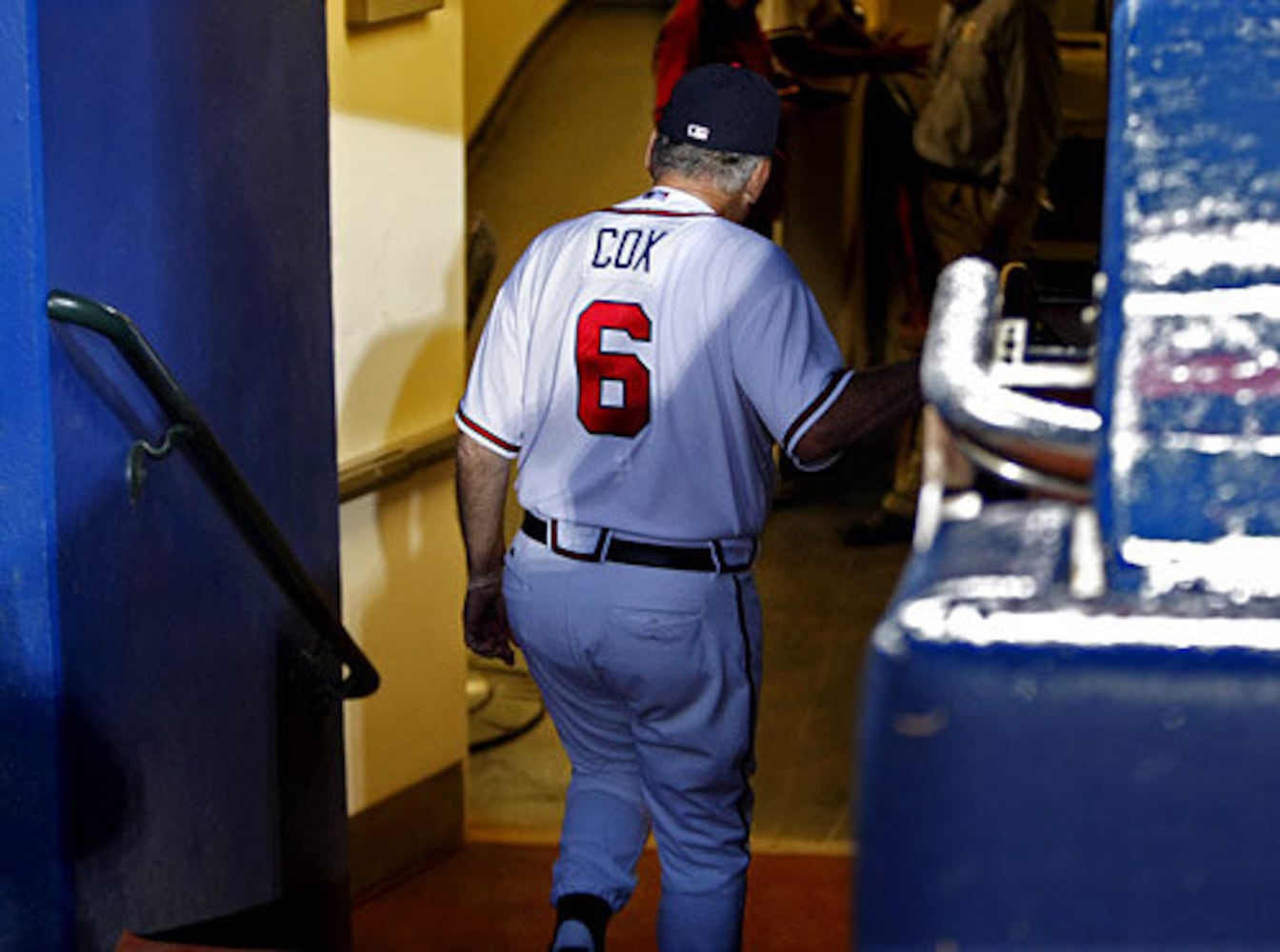
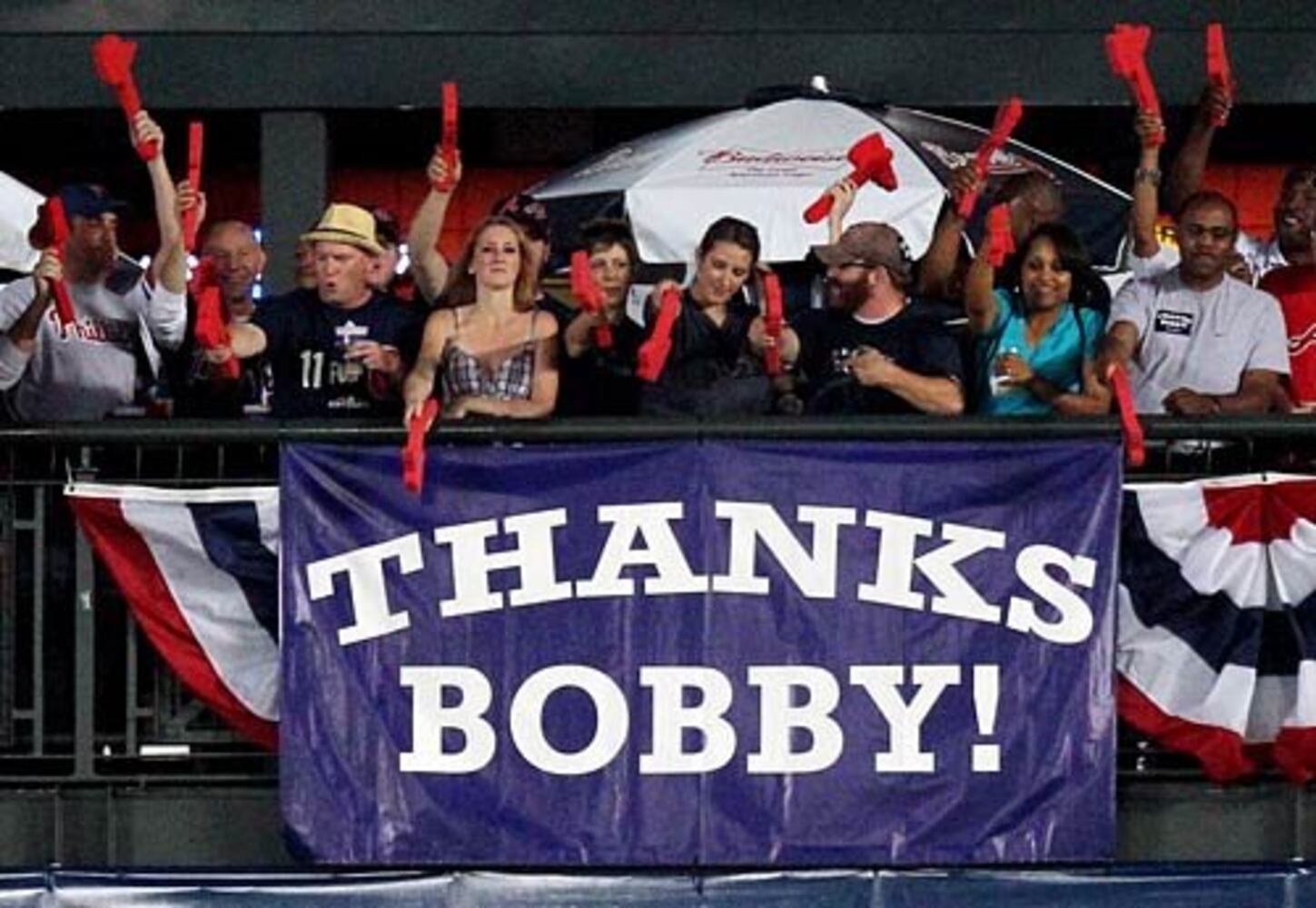
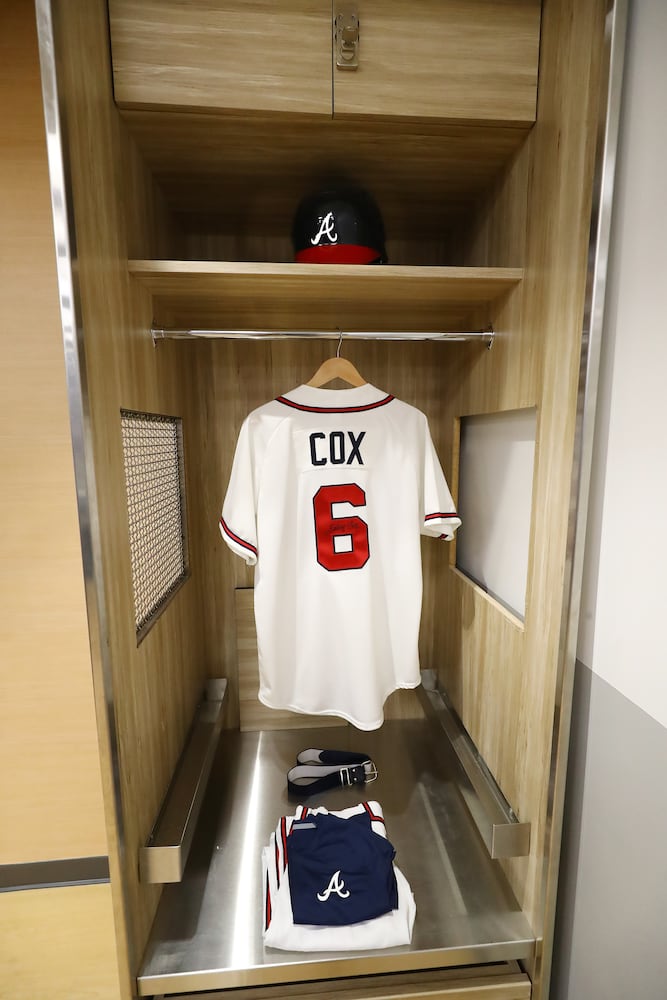
Over the years, there were times I felt he was managing me. He gave me more-than-occasional life tips. In 2004, he told me what a mentor had told him: “Don’t wait too long to retire or you won’t be able to do anything when you do.”
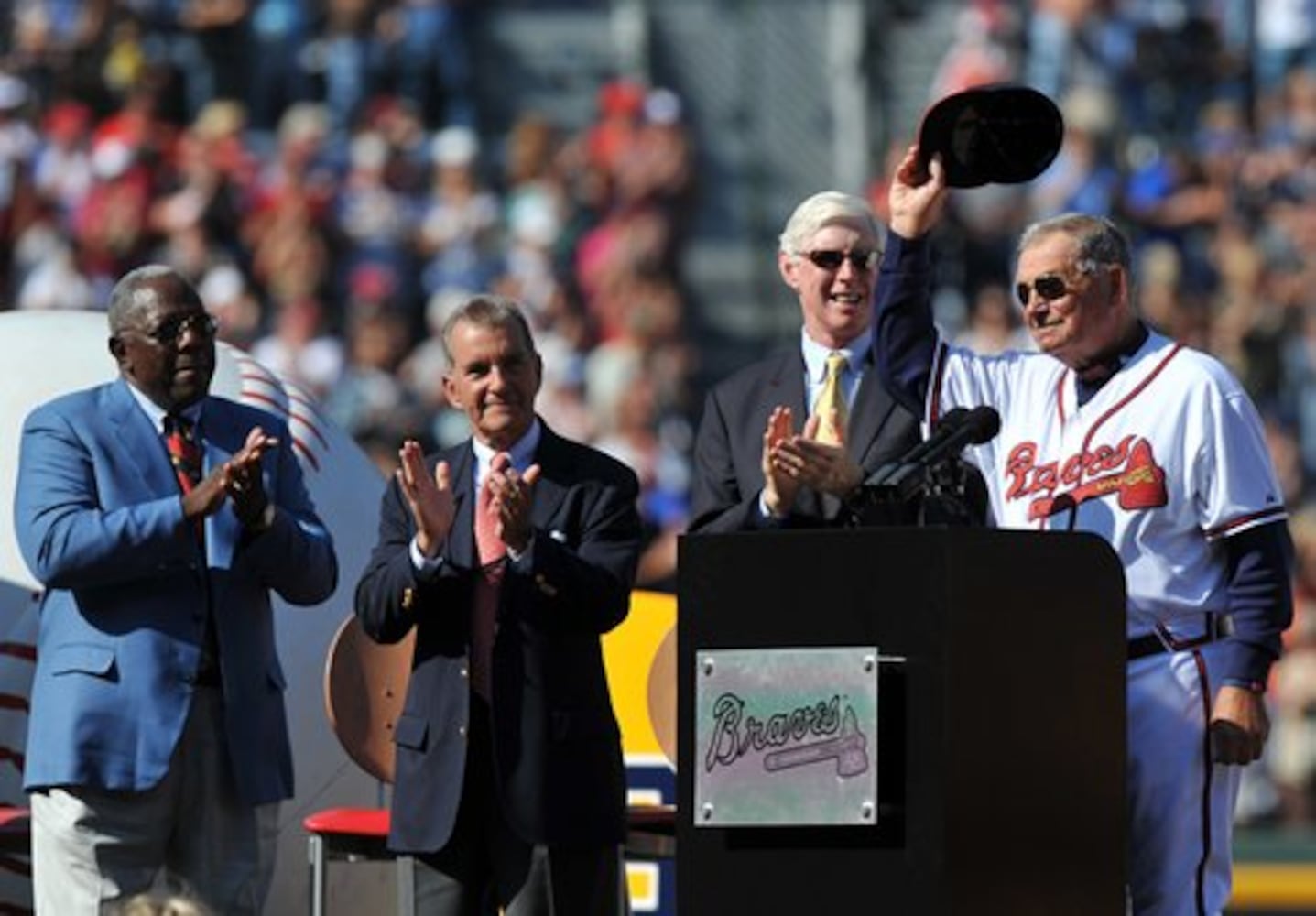
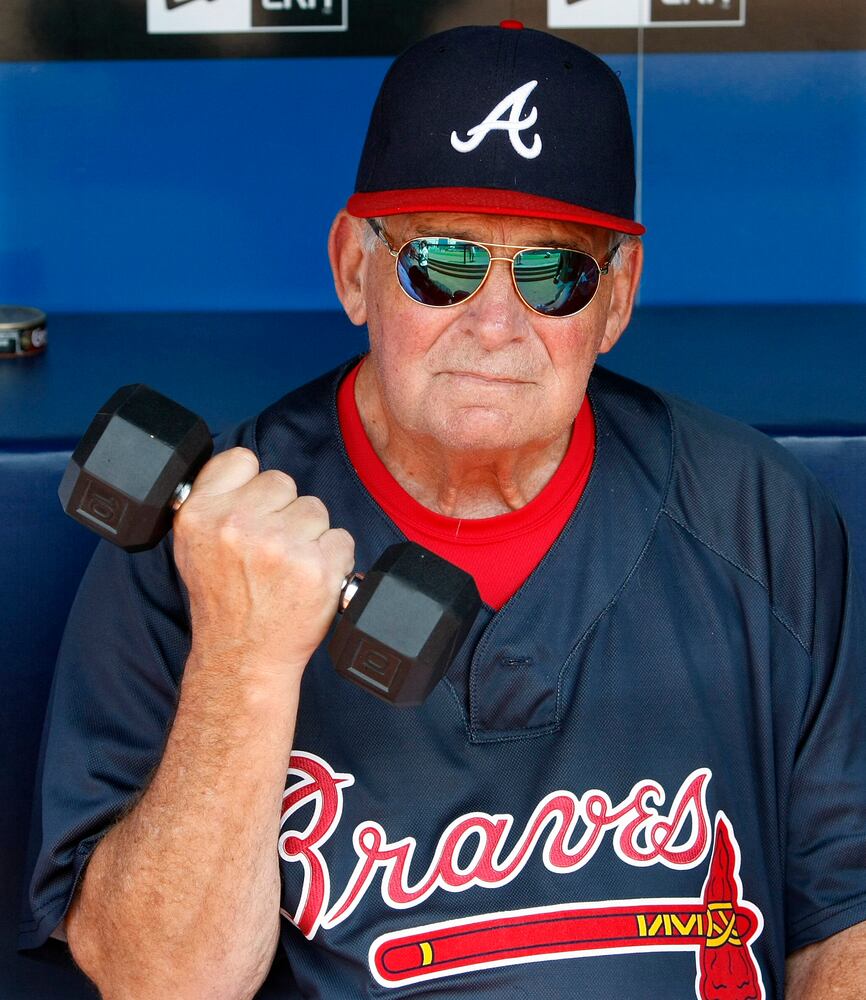
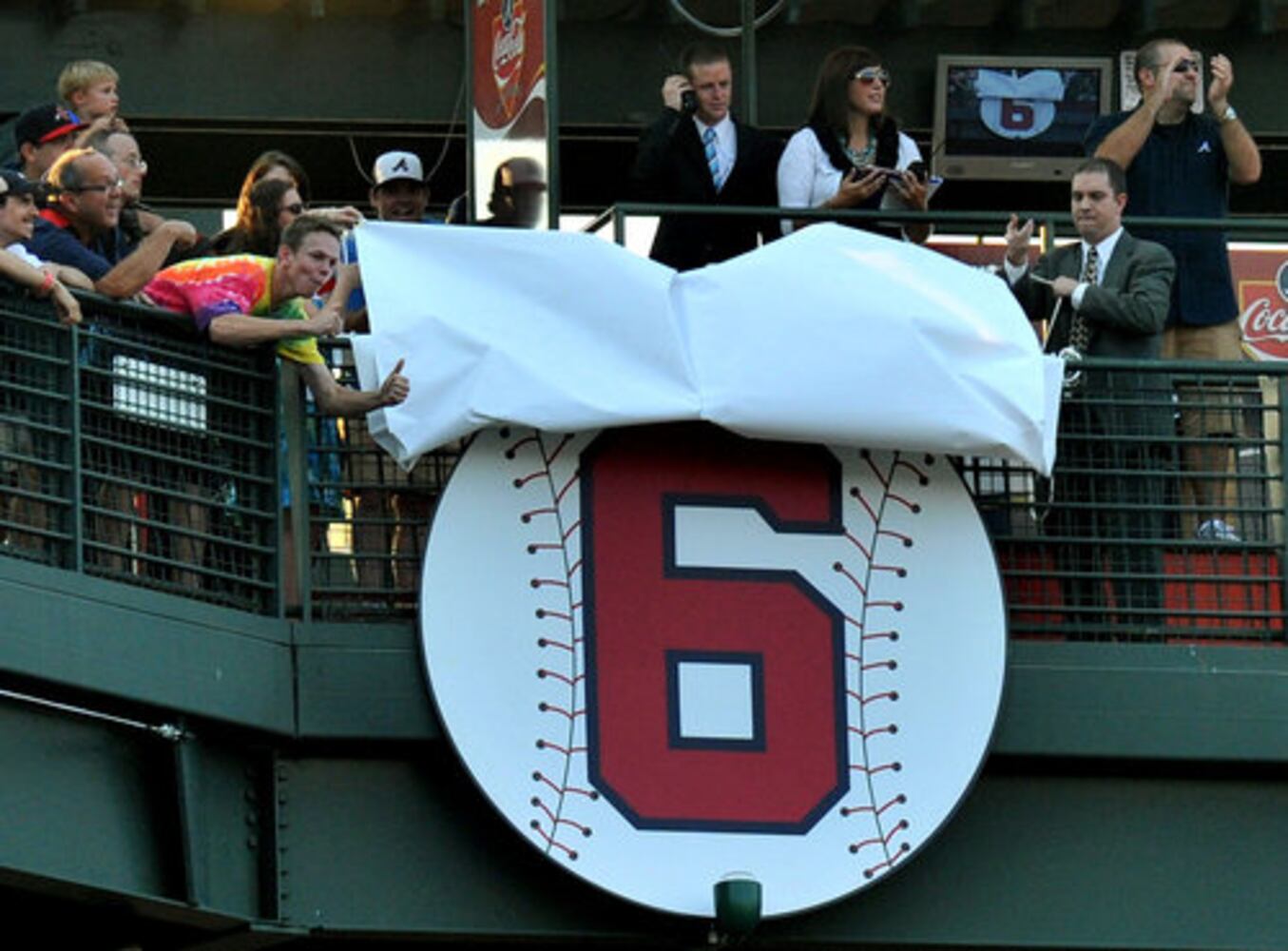
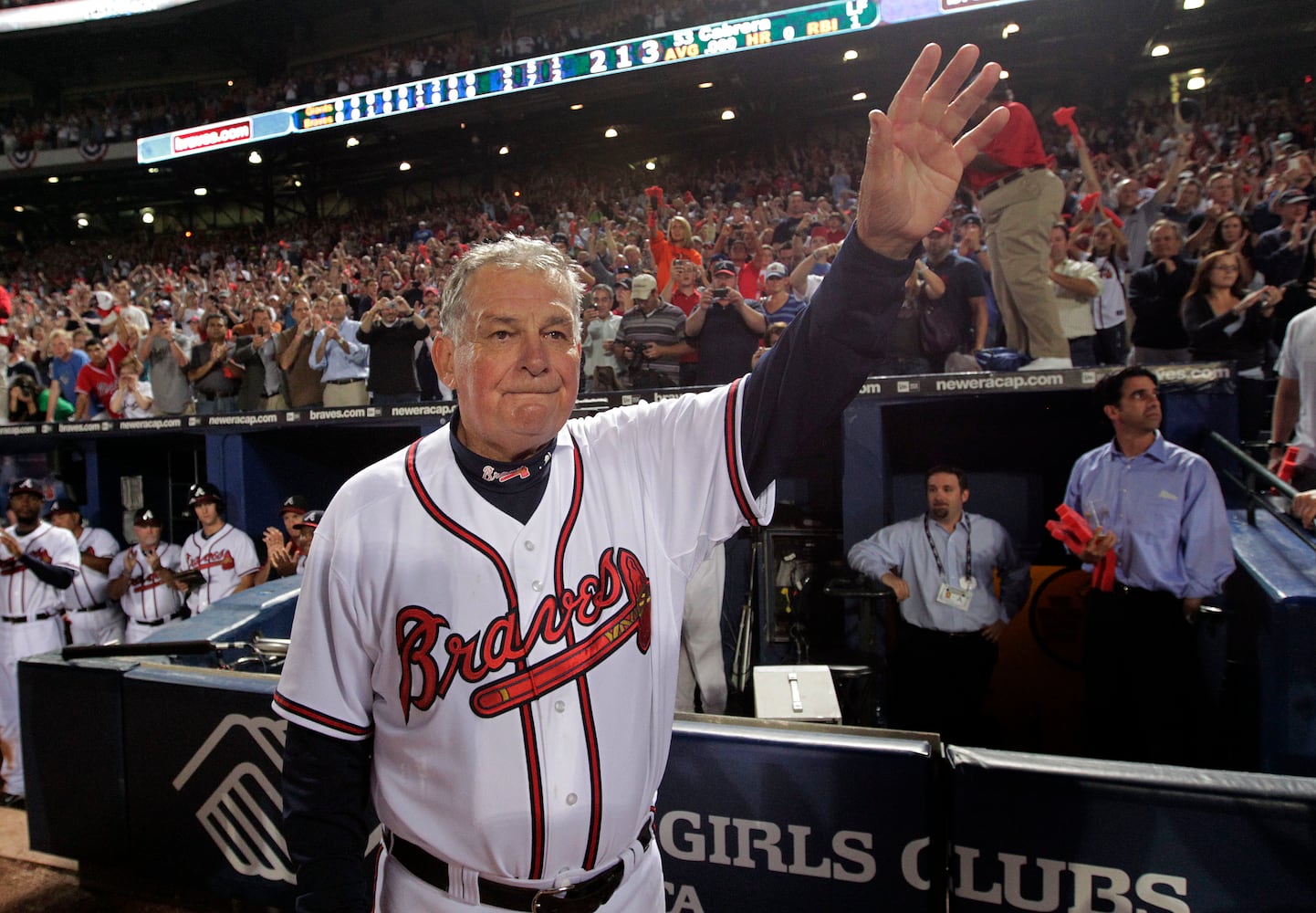
Cox retired in 2010. He was 69. I retired two Decembers ago. I was 69. I was coachable, too.
I worked for daily newspapers for 47 years. Saw some stuff, met some people, loved what I did. If you’re asking, “Who’s the most memorable person you covered?”, you haven’t been paying attention. I got to hang around the greatest manager there ever was, who gave me a lame nickname. I was Brad.
Mark Bradley is a former columnist for the AJC.
About the Author
Keep Reading

The Latest

Featured