






This interview was conducted for the Win Column, a free sports newsletter from the AJC. Check out today’s Masters-centric edition, then sign up to get it delivered straight to your inbox every week.
Ever wonder how photographers cover something like the Masters?
How do they do justice to a course that beautiful, a field that proud? And how they do it without the benefit of a cellphone?
I do.
So I made Jason Getz — veteran of 11 Masters and part of this week’s illustrious AJC photo crew in Augusta — tell me.
Here’s our convo.
Give me the quick version of what a tournament day looks like for you. What’s the strategy?
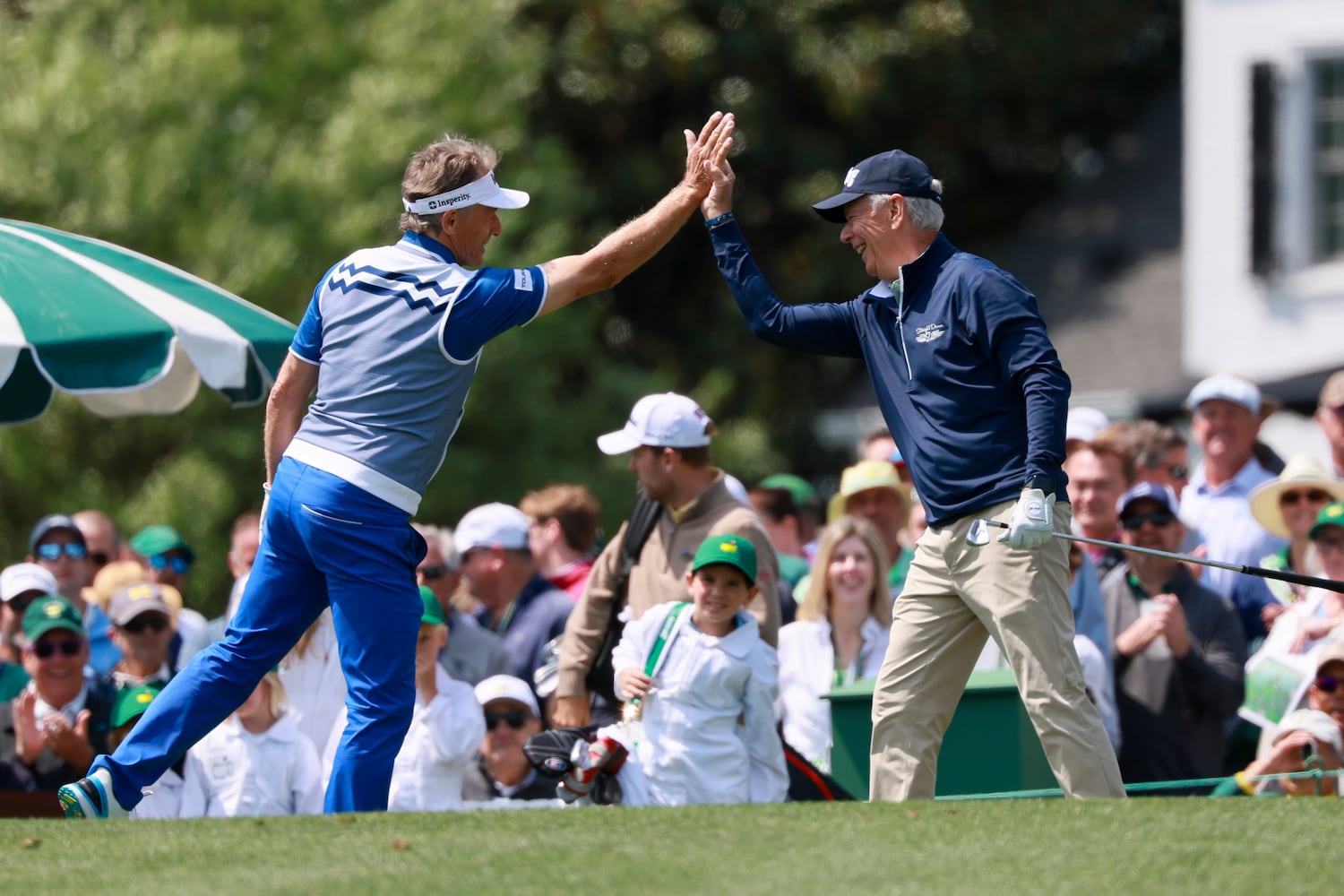
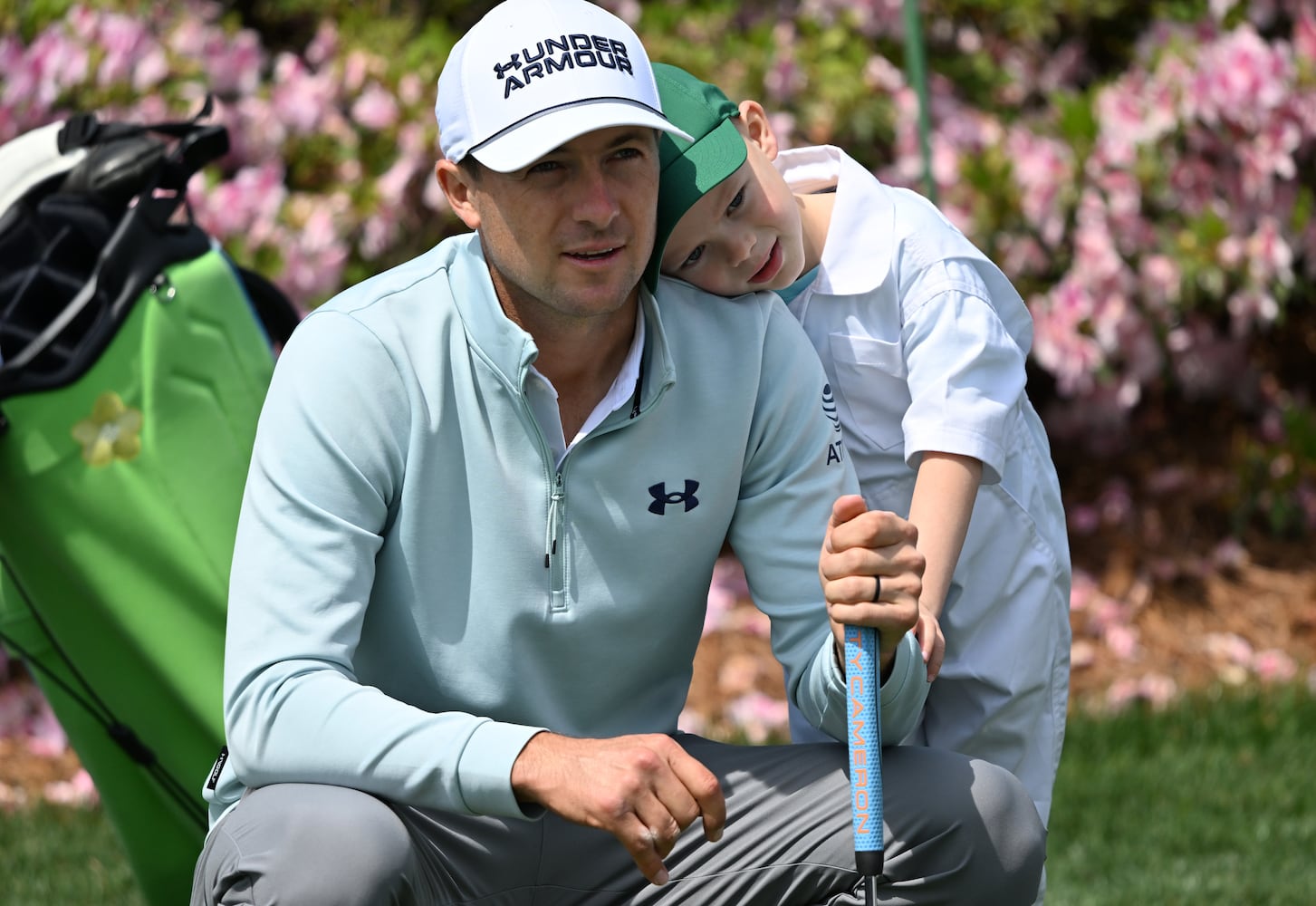
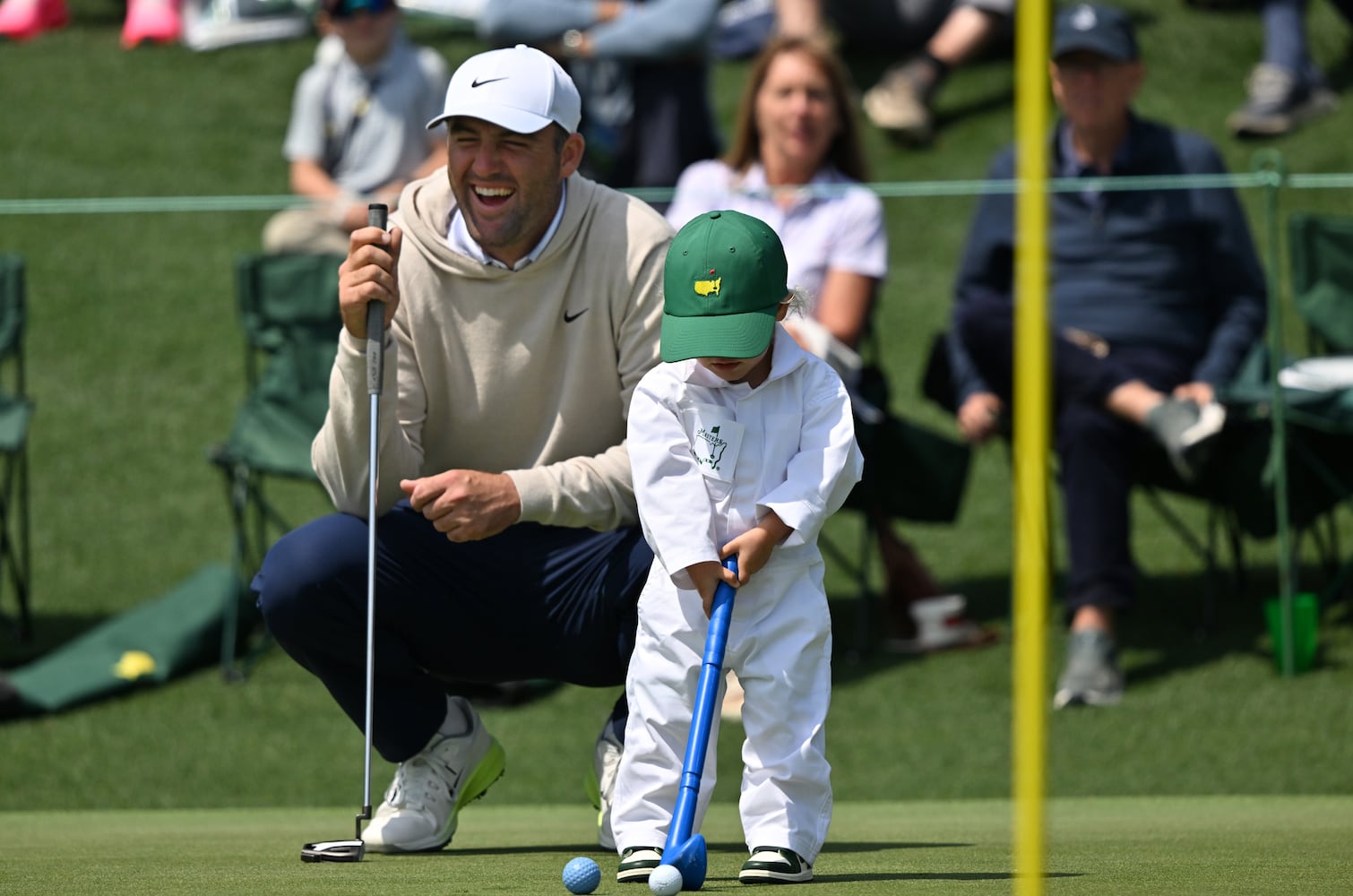
On Thursday it’s an all-day affair. The AJC photo team of photographer Hyosub Shin, Michael Schwarz and I, arrive before the sun rises to cover the Honorary starters of Jack Nicklaus, Gary Player, and Tom Watson. We cover the event, then go get breakfast and start our day.
We communicate with Michael, our on-site photo editor, through radios with headsets so we don’t disturb the golf and patrons. We coordinate our photo coverage so we’re constantly capturing images of potential leaders. With golfers starting around 8:30 a.m. and the last group starting at 2 p.m., the leader of the tournament could be anytime of the day. The best strategy is to always chase the leaders that are on the back nine. That way we have some type of images of them before their round is over with.
So the day starts early and we won’t leave until the sun sets. It’s really a labor of love as this tournament is so unique. The course is amazing and with the lack of cellphones, patrons and staff are genuinely friendly. It’s a good time. People are there to watch amazing golf, have a good time and disconnect from modern society.
How many photos are we shooting on the average day?
During the Monday practice rounds, I shot more than 4,000 images. I will shoot more on Thursday and Friday as we will be shooting for a longer period of time.
How many steps are we taking?
Since I’m not allowed to bring my phone, I don’t really know. I would estimate at least 10,000 steps and more like 15,000 steps on Thursday and Friday.
Have any favorite spots to shoot? Unusual strategies?
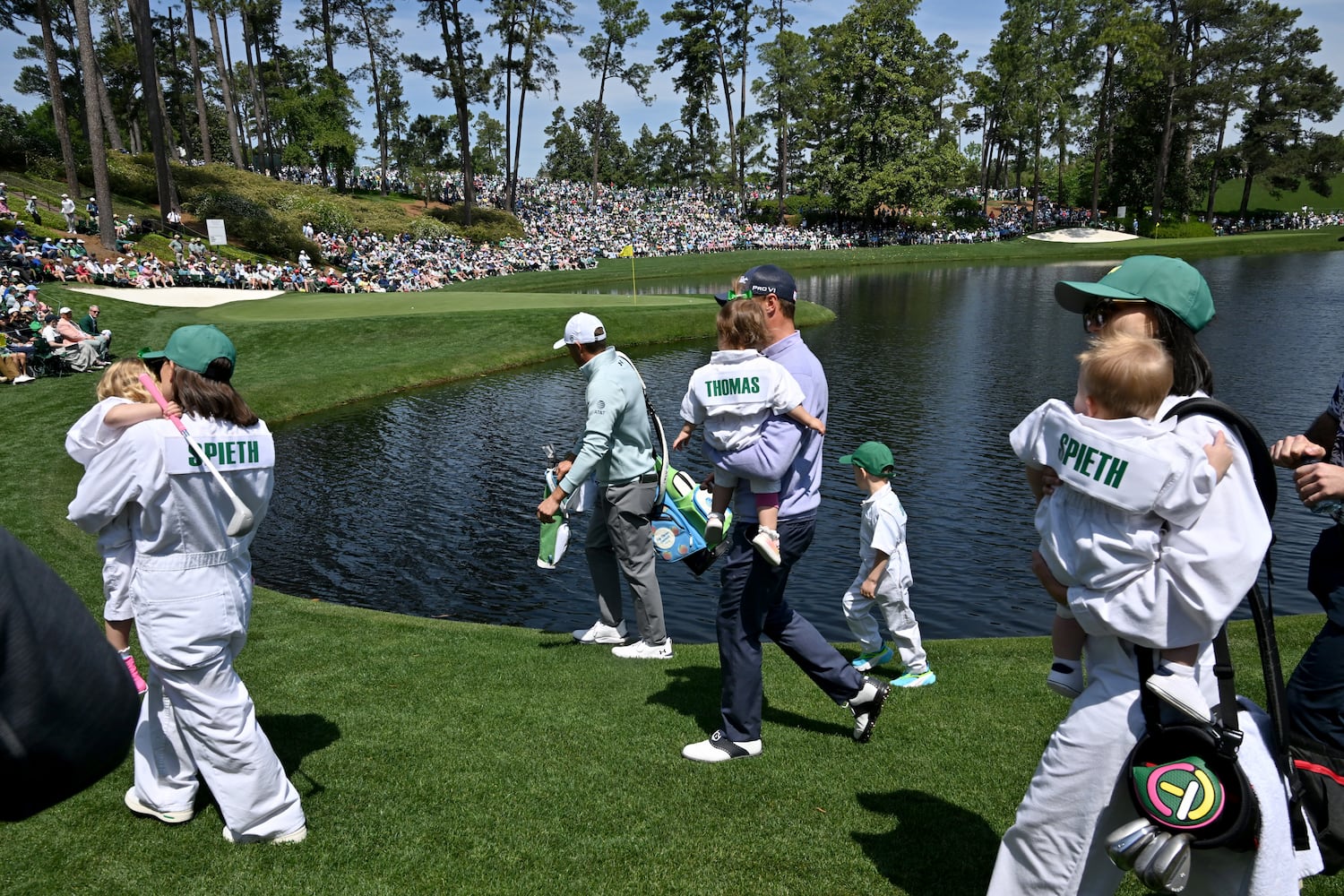
I think my favorite spot on the course is the seventh green. The seventh green is a par 4 and there are two photo pins that are available on a first-come, first-served basis. The fairway dips down and then it rises at the green with bunkers on both sides. This gives the photographers plenty of options. And with the course being saturated with fans/patrons, it’s nice to have a designated spot to photograph the golfers that is unblocked.

Credit: Jason Getz/AJC
Credit: Jason Getz/AJC
Are there any challenges that come specifically with shooting Augusta National?
The biggest challenge is that we are not allowed inside the ropes, so photographers are only allowed where all of the fans and patrons are. This can be almost impossible in some instances.
Like on Sunday at the 18th green, photographers either have access to one of the three photo positions that the Masters decides who has access to, or photographers are allowed to place a chair out early in the morning on Sunday with the rest of the patrons to try and get a position on the rope line. Because if you do not have a position on the ropes then you will be blocked by patrons.
The best strategy is to plan the day out by moving from the front holes, letting the leaders come through, and then skipping a hole or two and waiting for the leaders to come through again. For example, on Sunday, I will usually position myself on the first fairway and Hyosub Shin will position himself on the second green. After the leaders go through the first fairway I will usually go to the fourth tee. And when the leaders come through two where Hyosub is, he’ll probably go to six green.
That way we are early and are able to secure a position before the masses surround the greens and we are unable to see the golfers.
What’s it like shooting in a place with no phones, etc. allowed? Is that stressful or … freeing?
I’ve talked to the other photographers and sports writers about this. Not having your phone really eliminates any distraction and you’re able to enjoy the moment and focus on the job at hand.
I’m able to see old photographer friends and make new ones. And I’ve had great conversations with our runner we’ve had for over 20 years, Eric Gupton. I’ve known Eric for a long time so we’ve had conversations about everything and he’s such a good person to have on the course. He’s very knowledgeable of the course and knows where to position the photographers to get the best shots.

Credit: Jason Getz/AJC
Credit: Jason Getz/AJC
Is there pressure to do the course (and the azaleas) justice? How do you try to do that?
There is always pressure to show off the beauty of Augusta National. The challenge is usually the tournament starts a week too late to capture the full bloom of the azaleas. And this week is similar to others at the azaleas on all of the bushes are already wilting. So I tried to get all of my azalea photos now.
The other beautiful spots on the course like Amen Corner (11th green, 12th tee and green and 13th tee) are still very beautiful, so I try my best to show off that beauty as much as possible.
Do you have a favorite moment you’ve photographed? A favorite photo?
My favorite moment I ever photographed at the Masters was Tiger Wood’s 2019 win. It was surreal. I remember hoping that Tiger could hold onto the win as I was in a great position to capture the celebration.
When he had his first putt, he was facing me. When he missed he was going the other direction because his putt went past the pin. I thought that all I would get was his back at that moment so I switched lenses to get tighter. But once he won, he spun around facing me and gave an exuberant yell celebrating his Masters win.
I was too tight, meaning I was only getting Tiger from the waist up. But what I realize now is I have a super tight image of Tiger. Most of the other photographers got his entire body so they were loose on his face. My image stands out today because it’s focused on Tiger’s expression.
To this day, almost seven years later, I regret not going looser and capturing Tiger’s entire body. But I have learned from this decision. I’m just glad I was in the moment enough to not give up and keep shooting, as my focus stuck shortly after he turned and even though I didn’t get the entire moment in focus, the focus snapped and I captured some memorable images from Tiger’s sequence.

Credit: Jason Getz/AJC
Credit: Jason Getz/AJC
About the Author



Keep Reading

The Latest

Featured