


If you are a K-12 student in metro Atlanta, it has never been easier to skip class without consequence.
All it takes is framing a school walkout as a political protest, and many school administrators will do the rest. They’ll natter on about student voice, First Amendment rights, and civic engagement while retreating from disciplinary consequences.
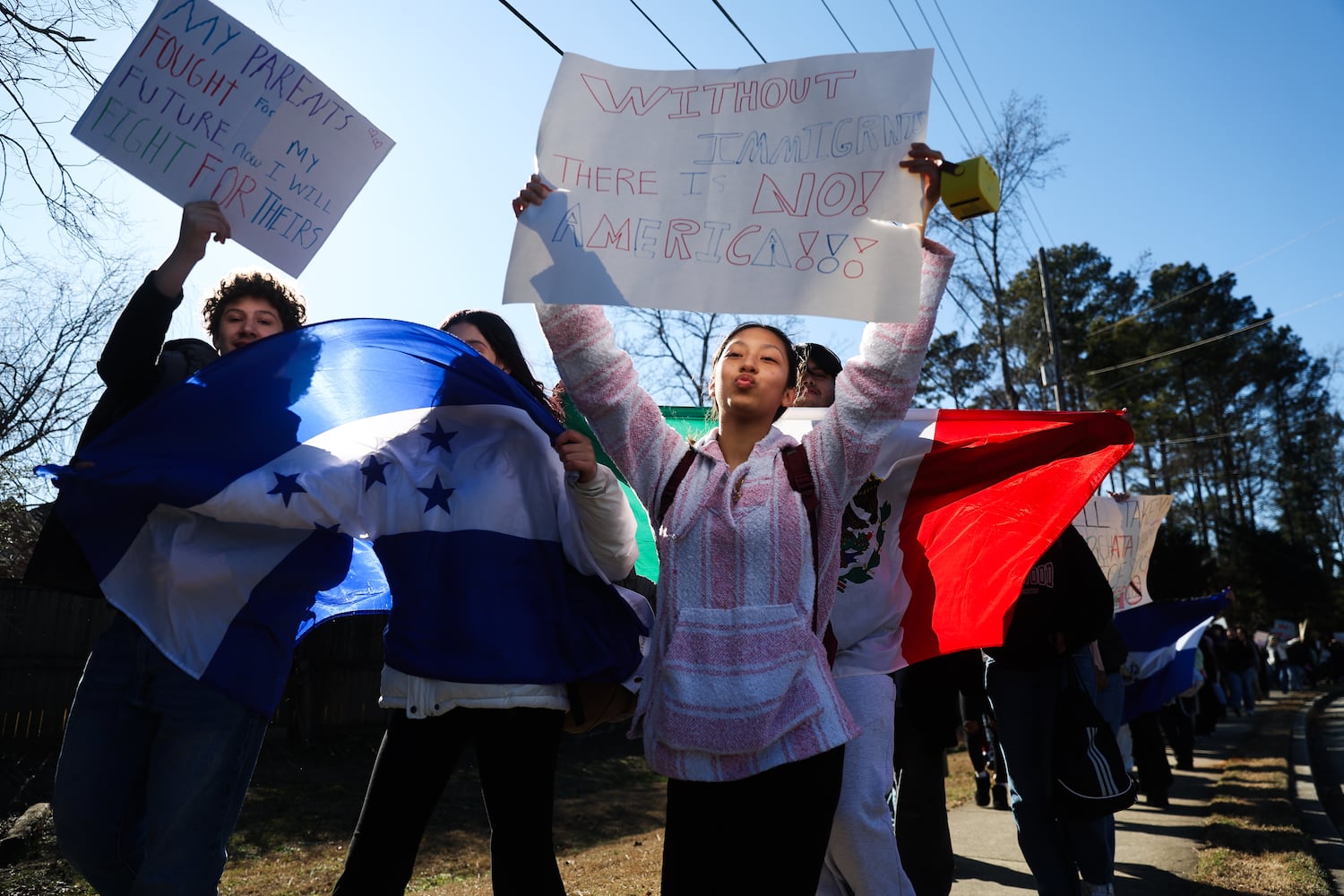
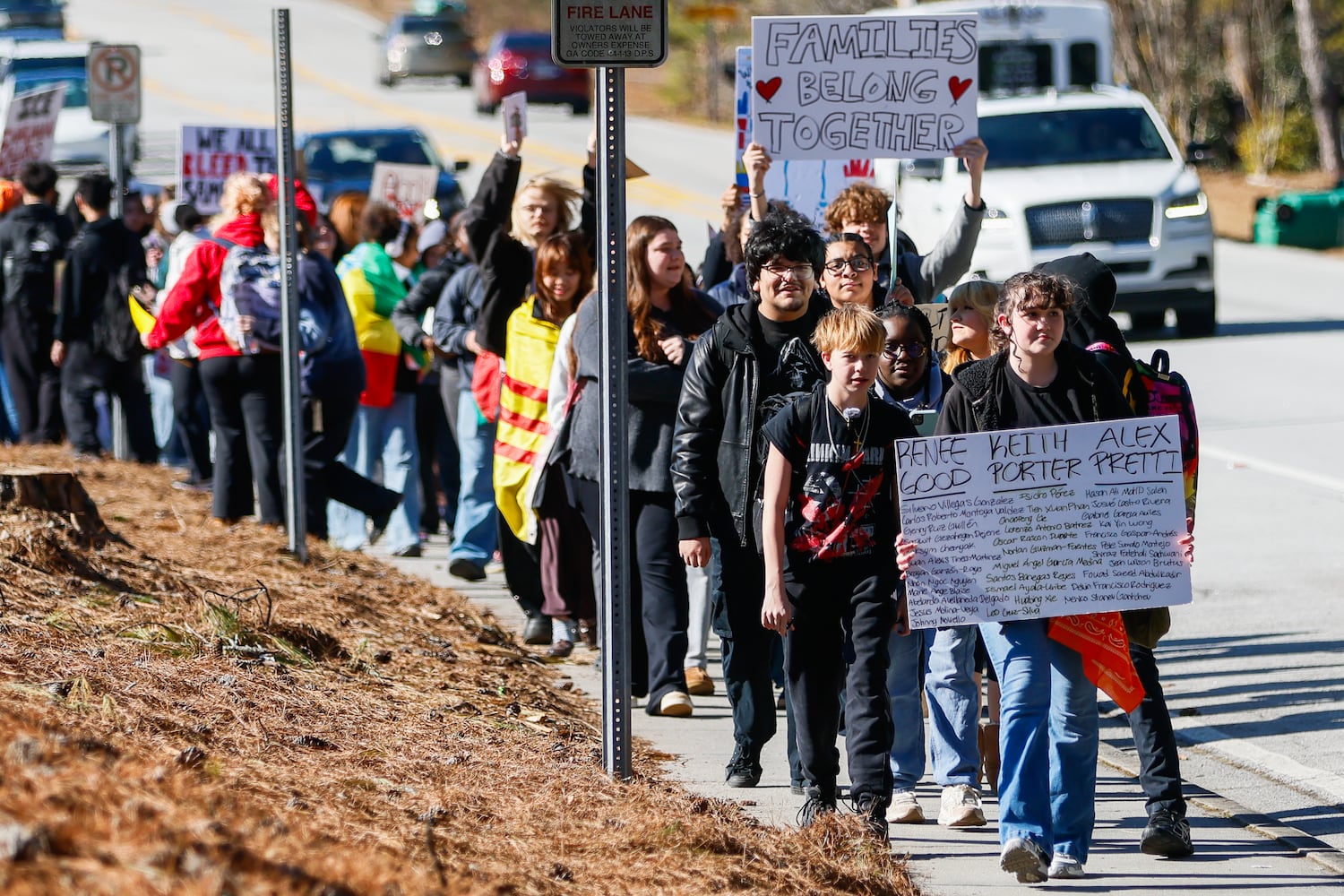
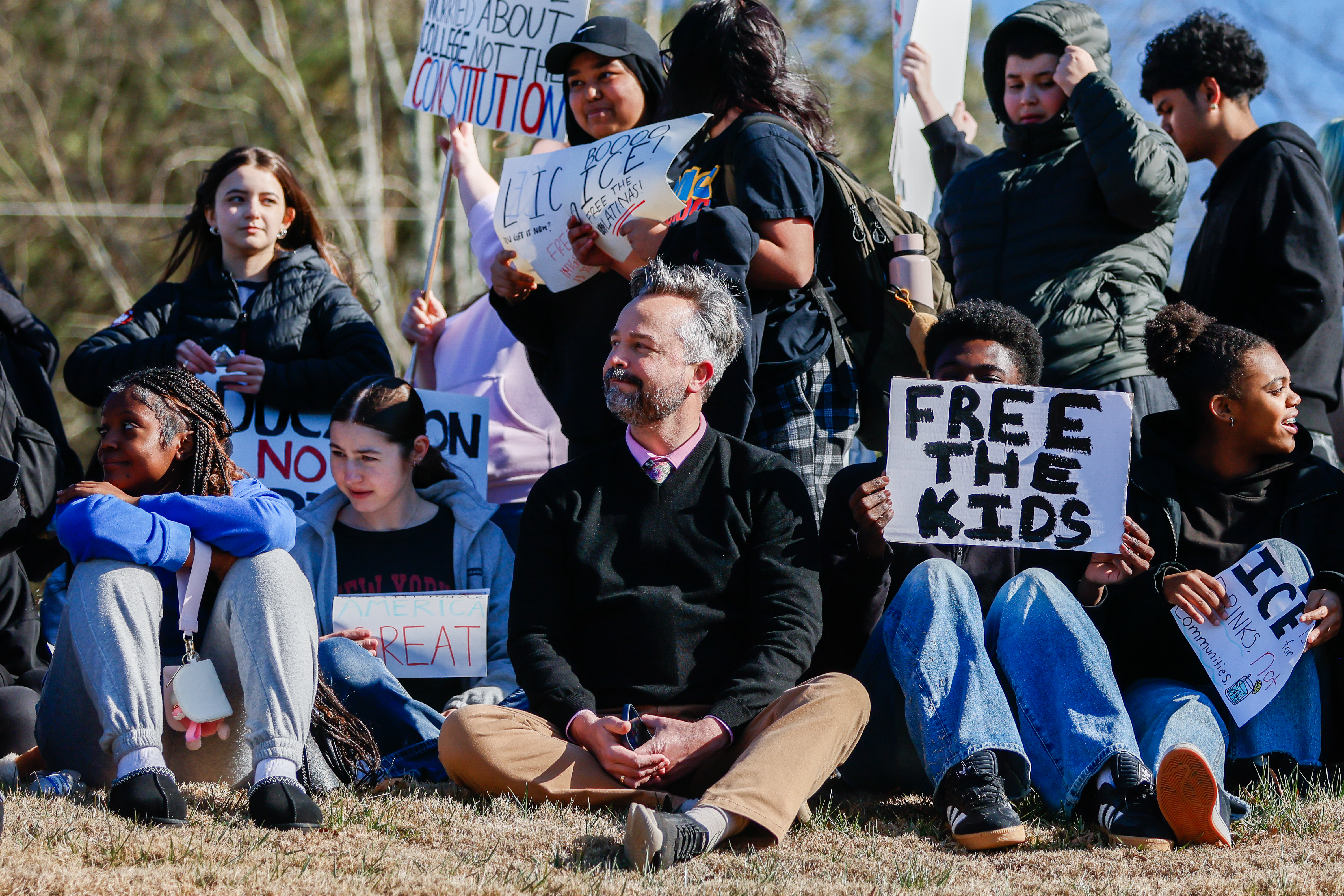
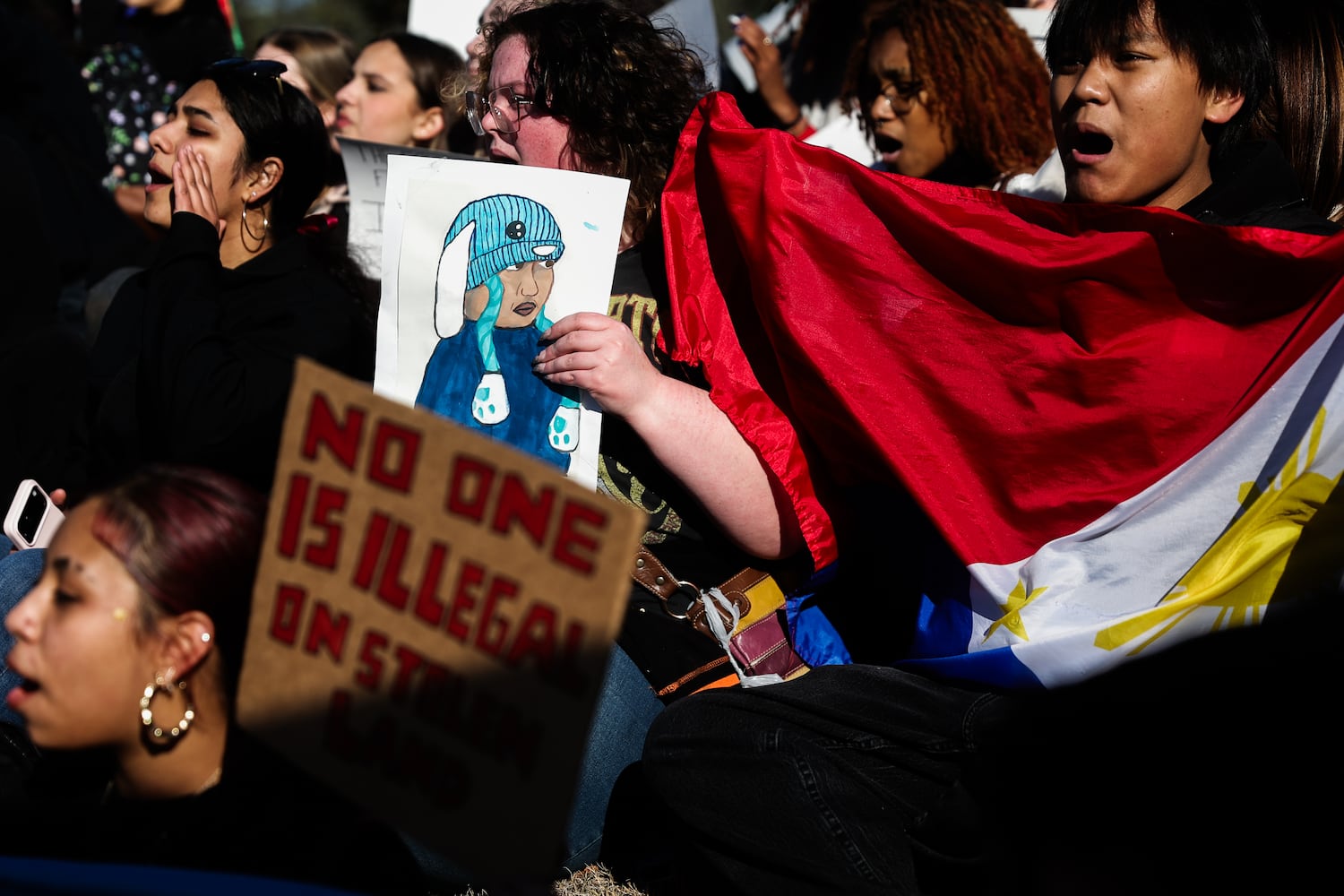
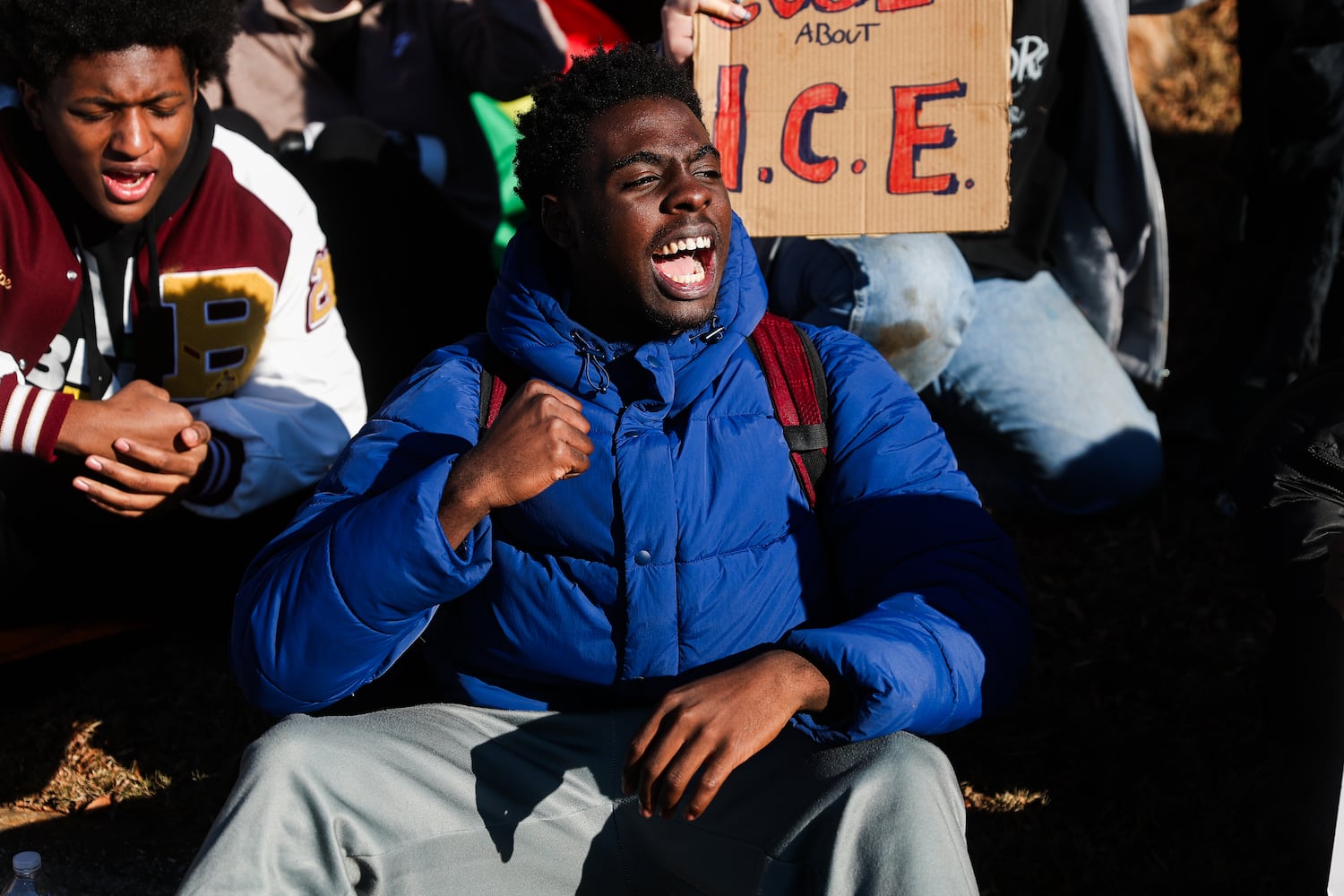
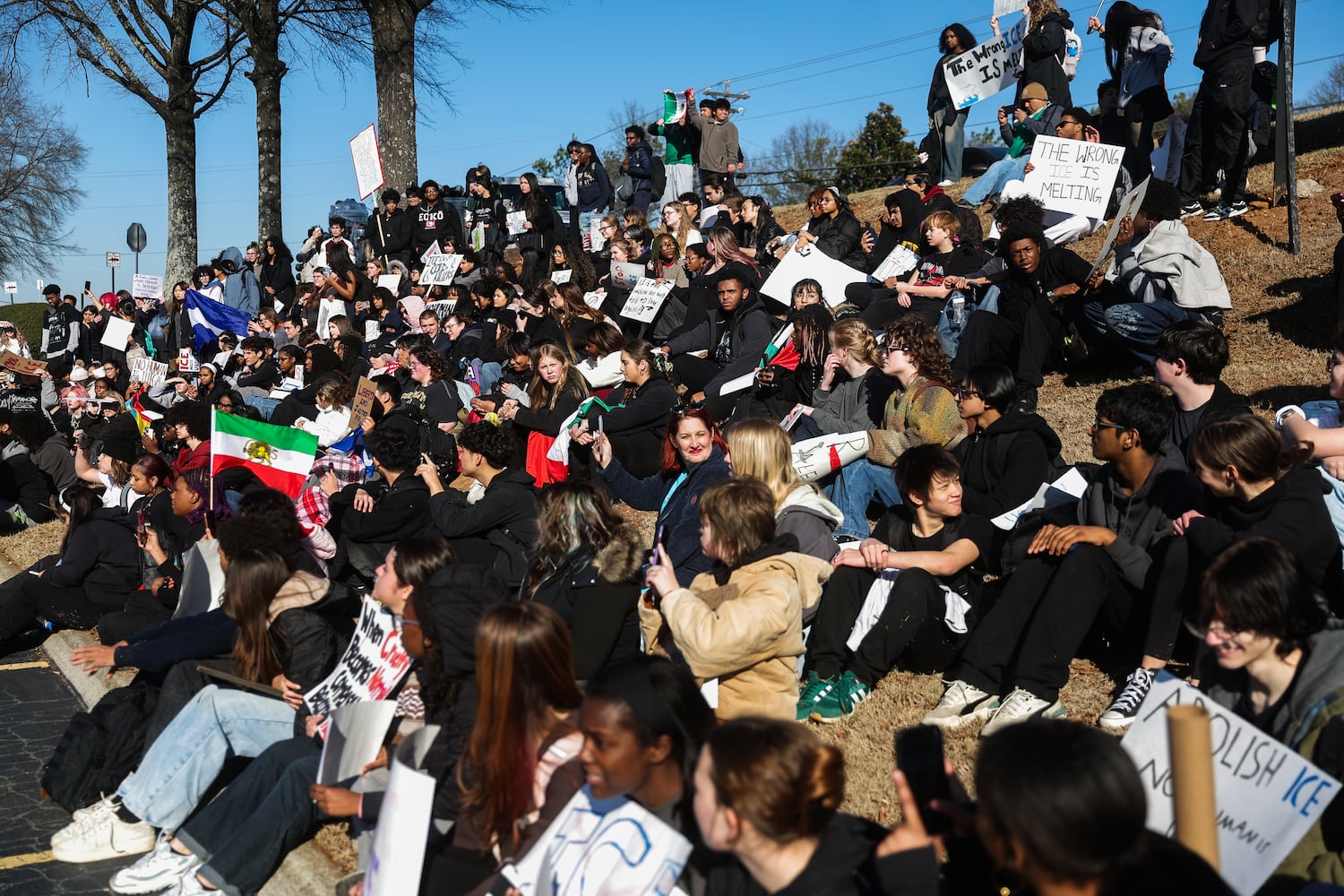
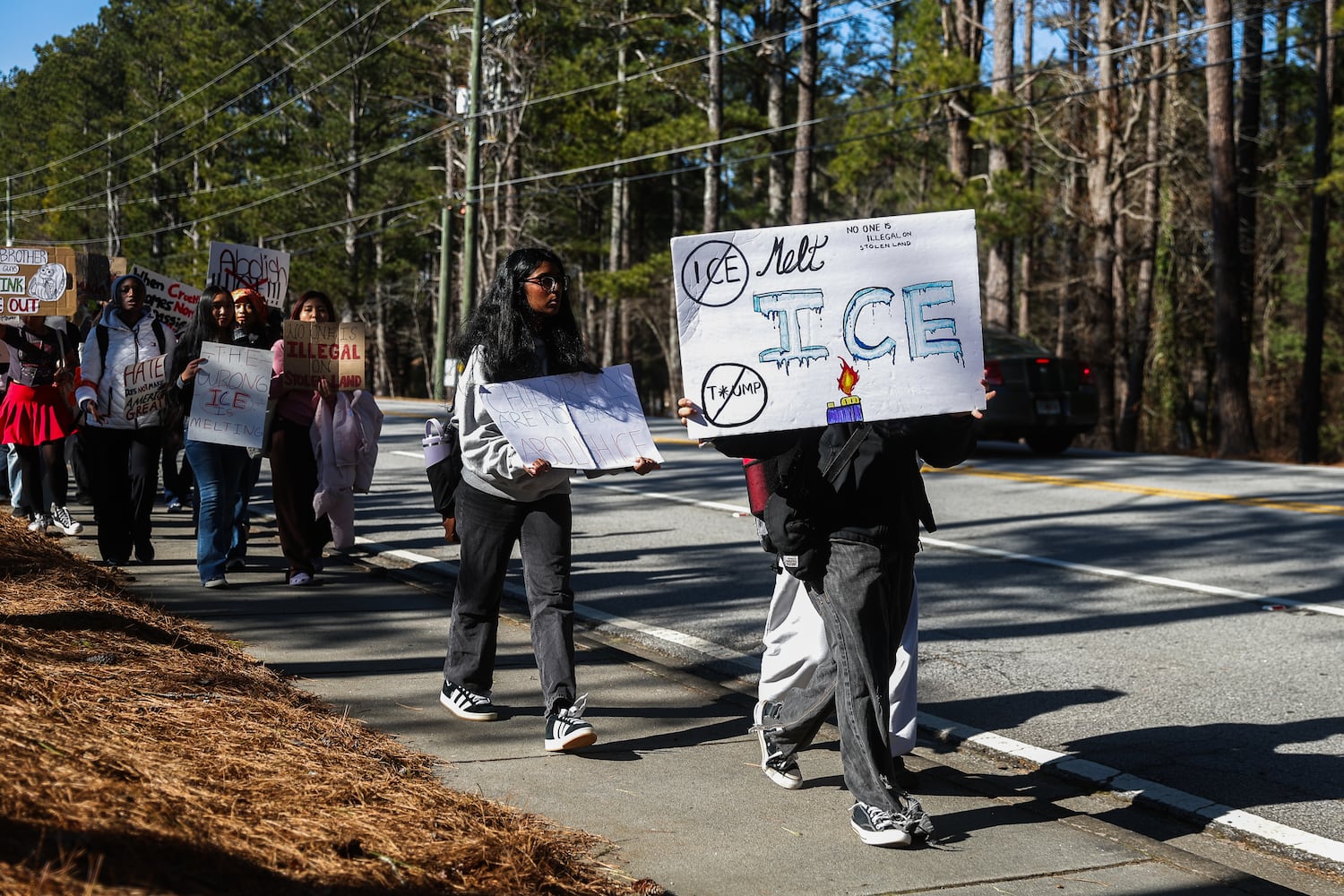
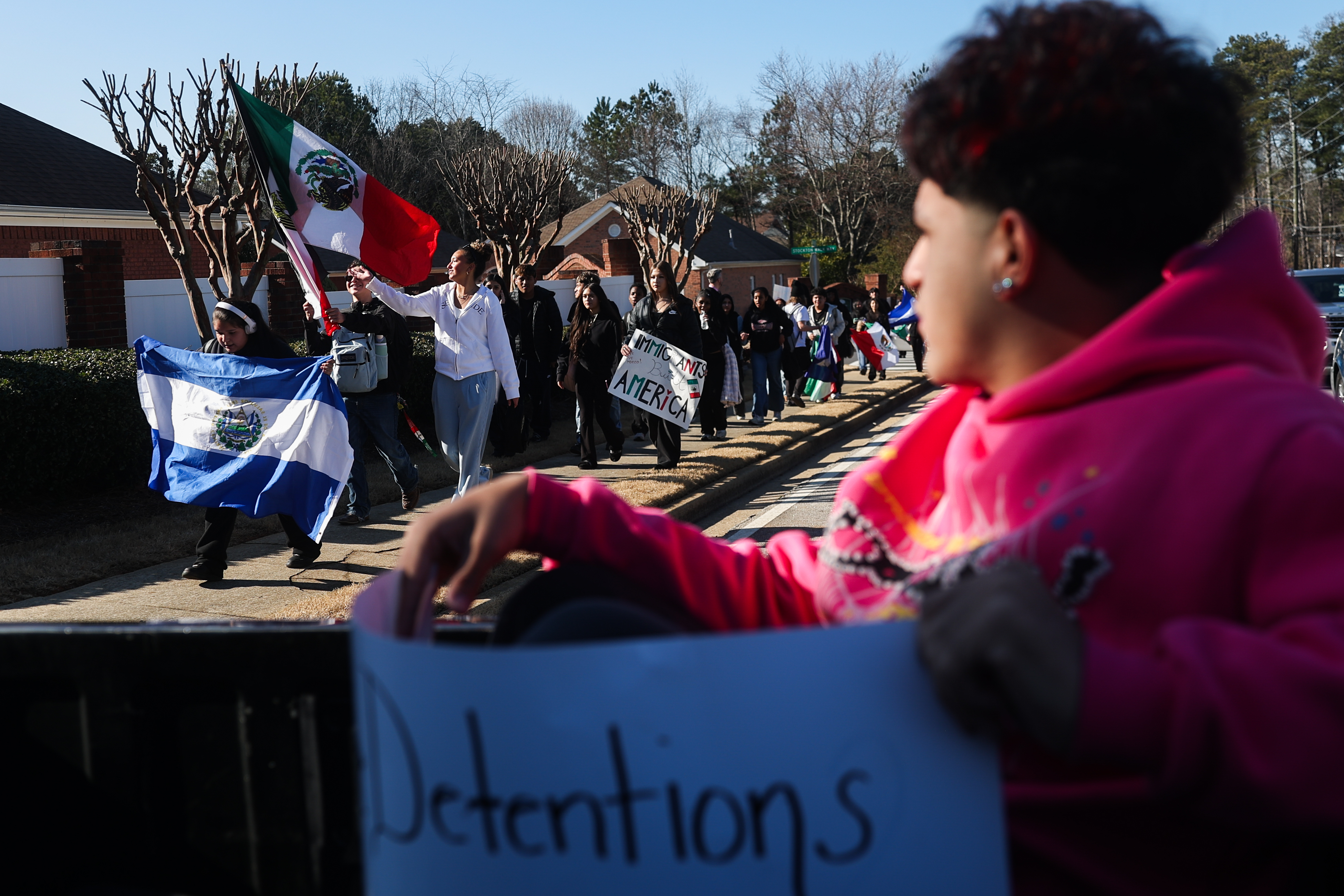
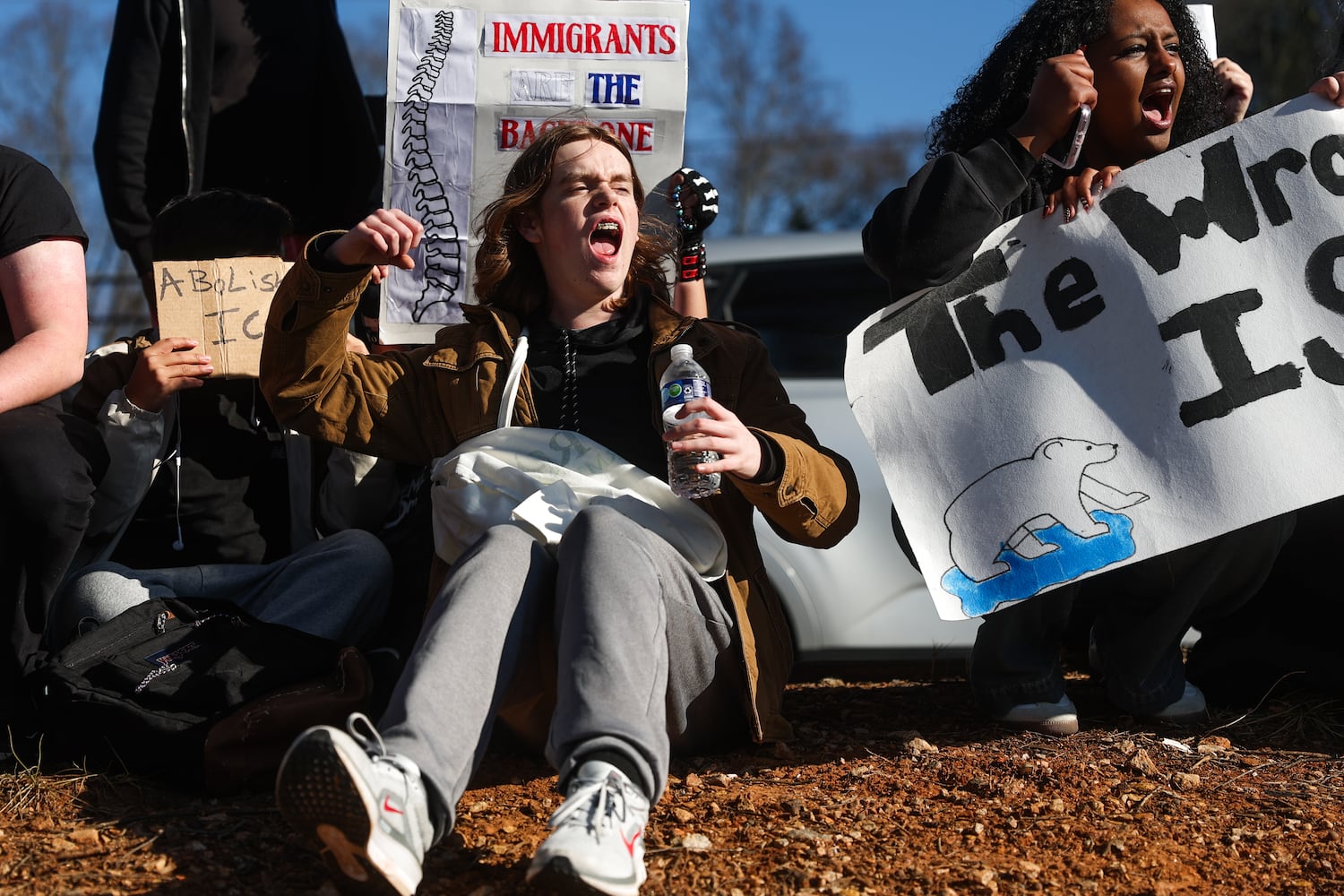
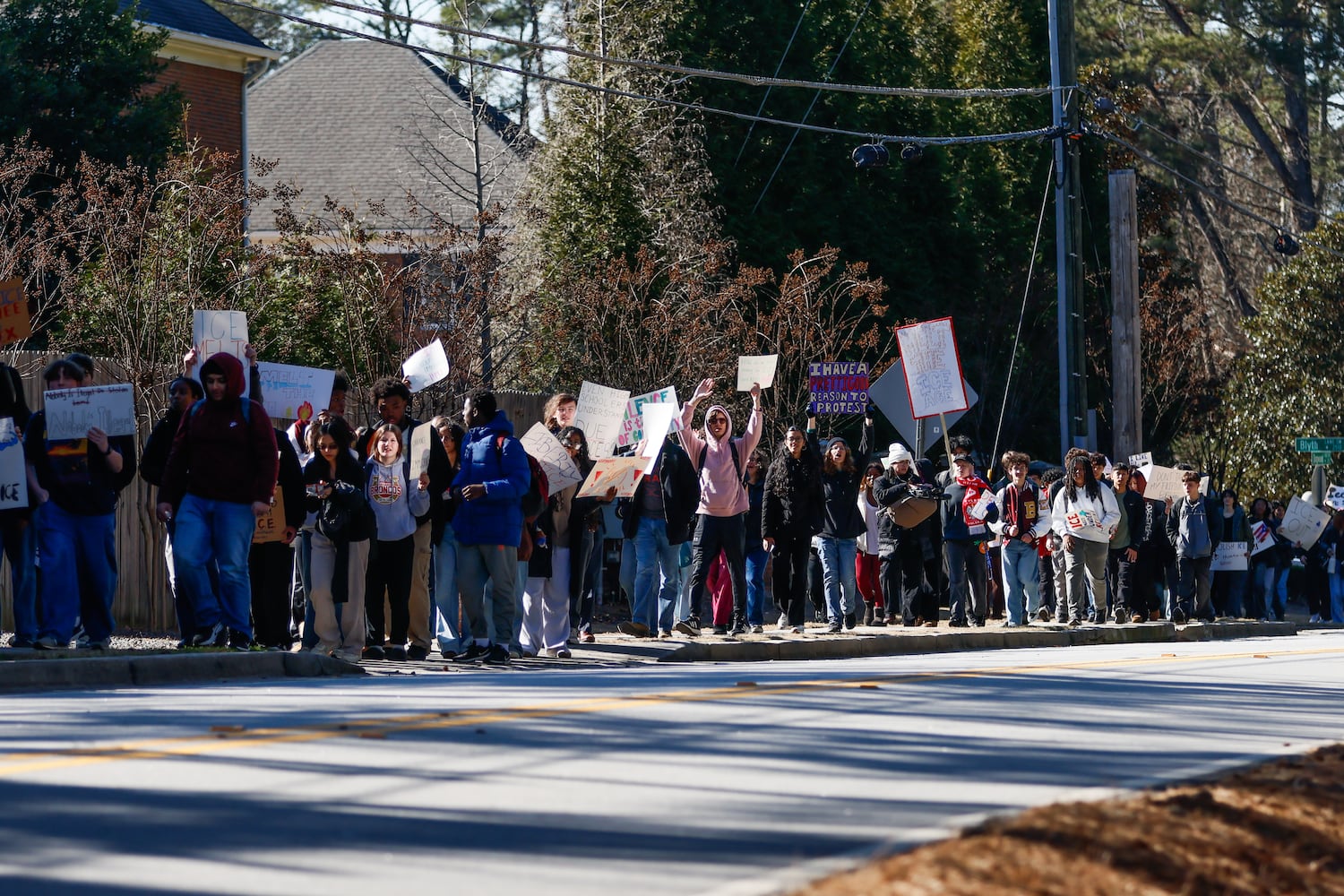
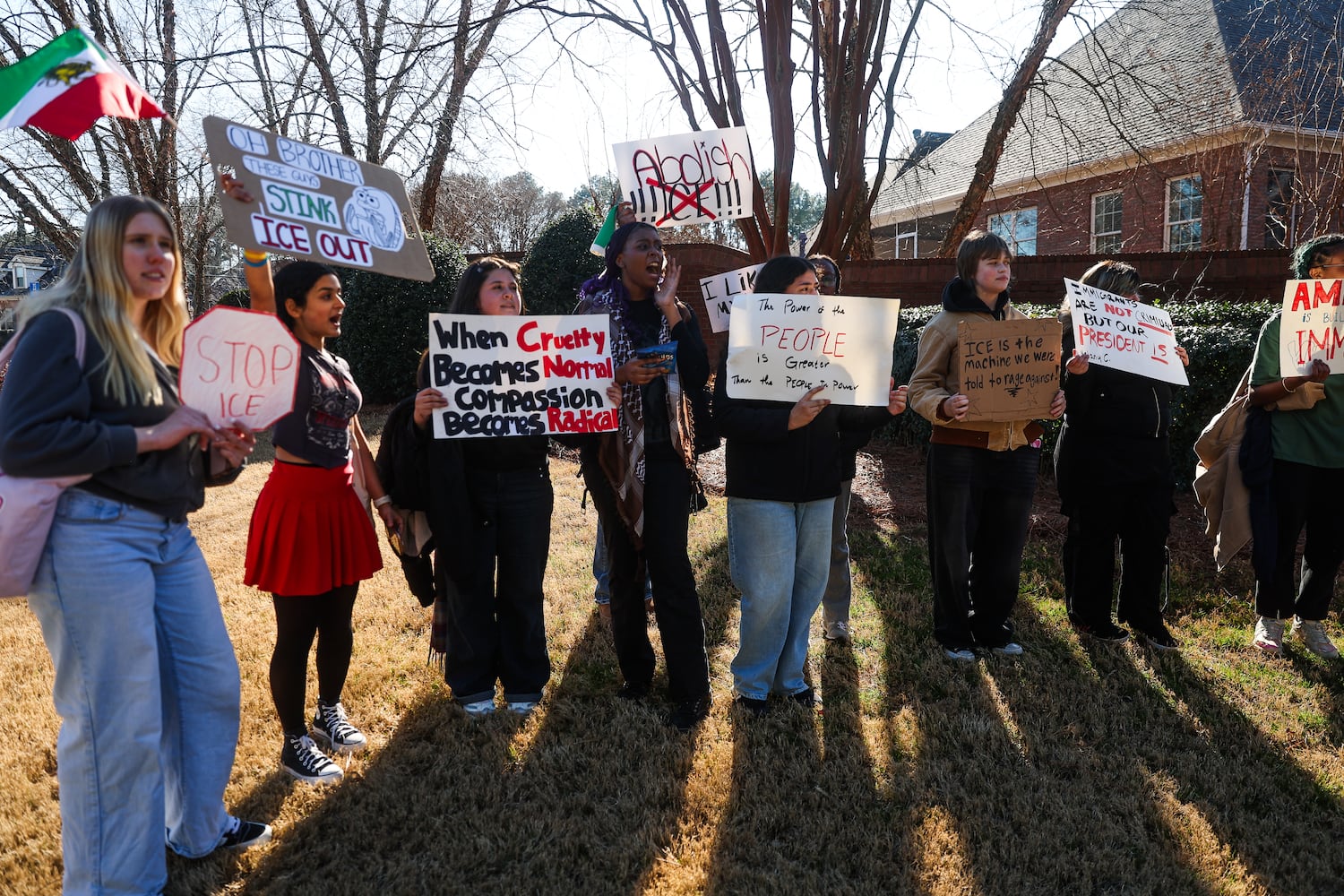
Recent student walkouts across Atlanta and Gwinnett County Public Schools protesting Immigration and Customs Enforcement policies illustrate the problem and raise serious questions about viewpoint neutrality, discipline consistency and liability.
Videos circulating online show students leaving class en masse during the school day, often to cheers from peers and approving commentary on social media.
Perhaps the most shocking or strange part of all this is the statement put out by Gwinnett County Public Schools that stated “students who leave class or school grounds without authorization during instructional time will receive appropriate consequences focused on learning, accountability, and support — not punishment.”
Would there be no punishment if students with different views decided to walk out in protest of something else? District leaders basically set the precedent that some causes, when wrapped in the words “protest” and “walkout,” are basically free passes out of school.
Inconsistency in policies and enforcement raises serious questions

Credit: Handout
Credit: Handout
Teenagers are not known for their deep engagement with federal immigration policy. Anyone watching the footage can see what many students themselves make clear: the walkouts are as much about escaping class and shouting slogans as they are about any real political conviction.
That does not make students cynical; it makes them adolescents. But it should prompt adults to ask why instructional time is being treated as expendable in service of one-sided political messaging.
Large, coordinated walkouts across dozens of schools do not materialize spontaneously. Media reports and public statements confirm that national activist organizations, such as the Party for Socialism and Liberation, helped promote and organize these demonstrations in Georgia.
For those groups, images of thousands of students leaving school during the day are powerful political currency. When schools permit or accommodate such disruptions, they risk transforming students into props in adult political campaigns.
GCPS has attempted to strike a middle ground, affirming students’ desire to be heard while reiterating that leaving class or campus without permission violates the student code of conduct. On paper, that approach sounds balanced. In practice, inconsistent enforcement, including rescinded suspensions in some cases, sends a far clearer message than any press release: Rules are flexible when the cause is popular.
That inconsistency raises serious questions about viewpoint neutrality. Schools routinely discipline students for skipping class, leaving campus or disrupting instruction for non-political reasons. When the same conduct is excused or minimized because it aligns with prevailing political sympathies, schools invite claims of unequal treatment and undermine public trust.
There are also safety concerns. Unscheduled mass departures during the school day require supervision, coordination, and emergency preparedness. Administrators cannot ensure student safety if large numbers leave class simultaneously, congregate in hallways or outdoor spaces, or move off campus. Every walkout increases the risk of injury, traffic incidents or worse — and places staff in untenable positions.
Educators can teach students about protests in the classroom
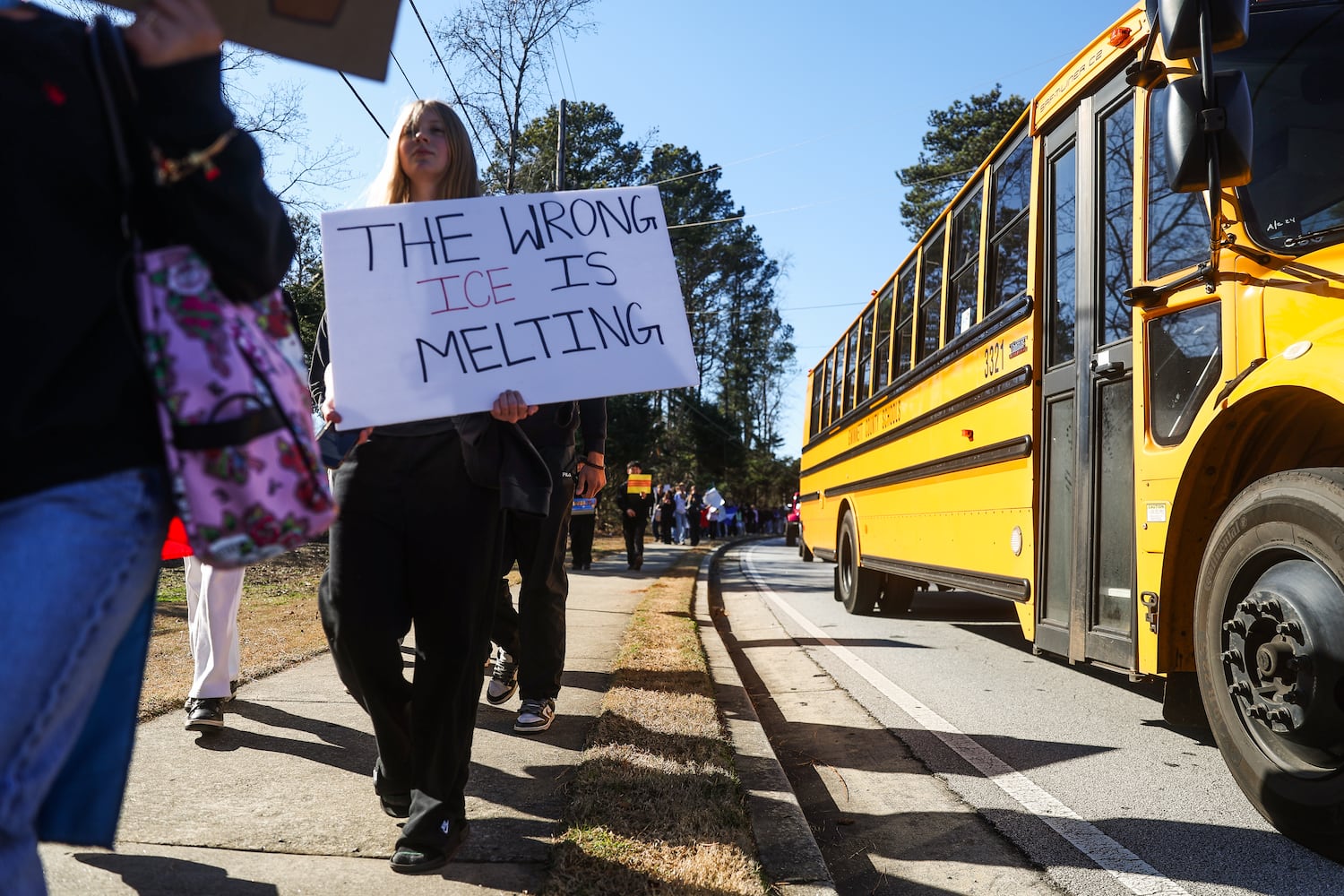
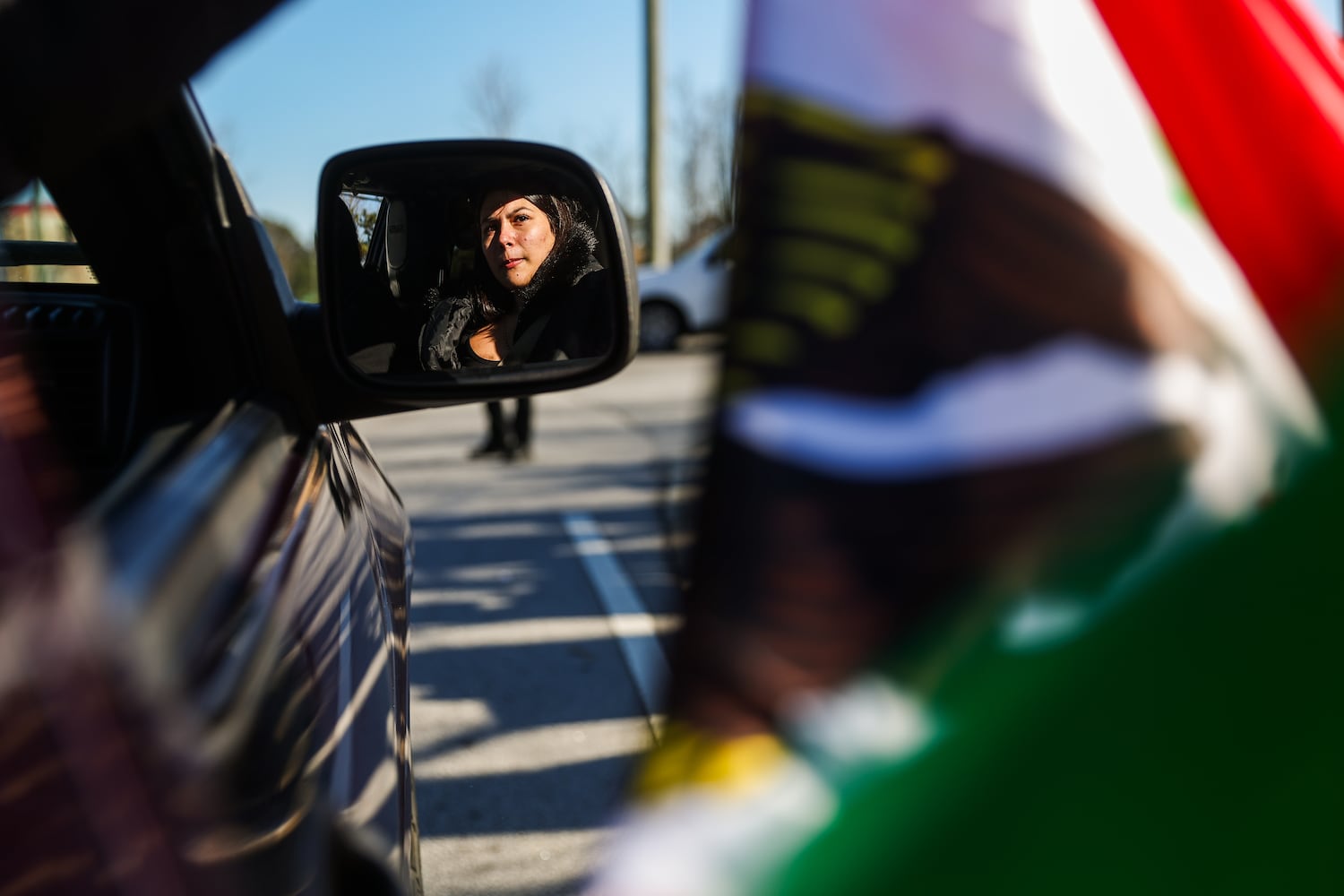
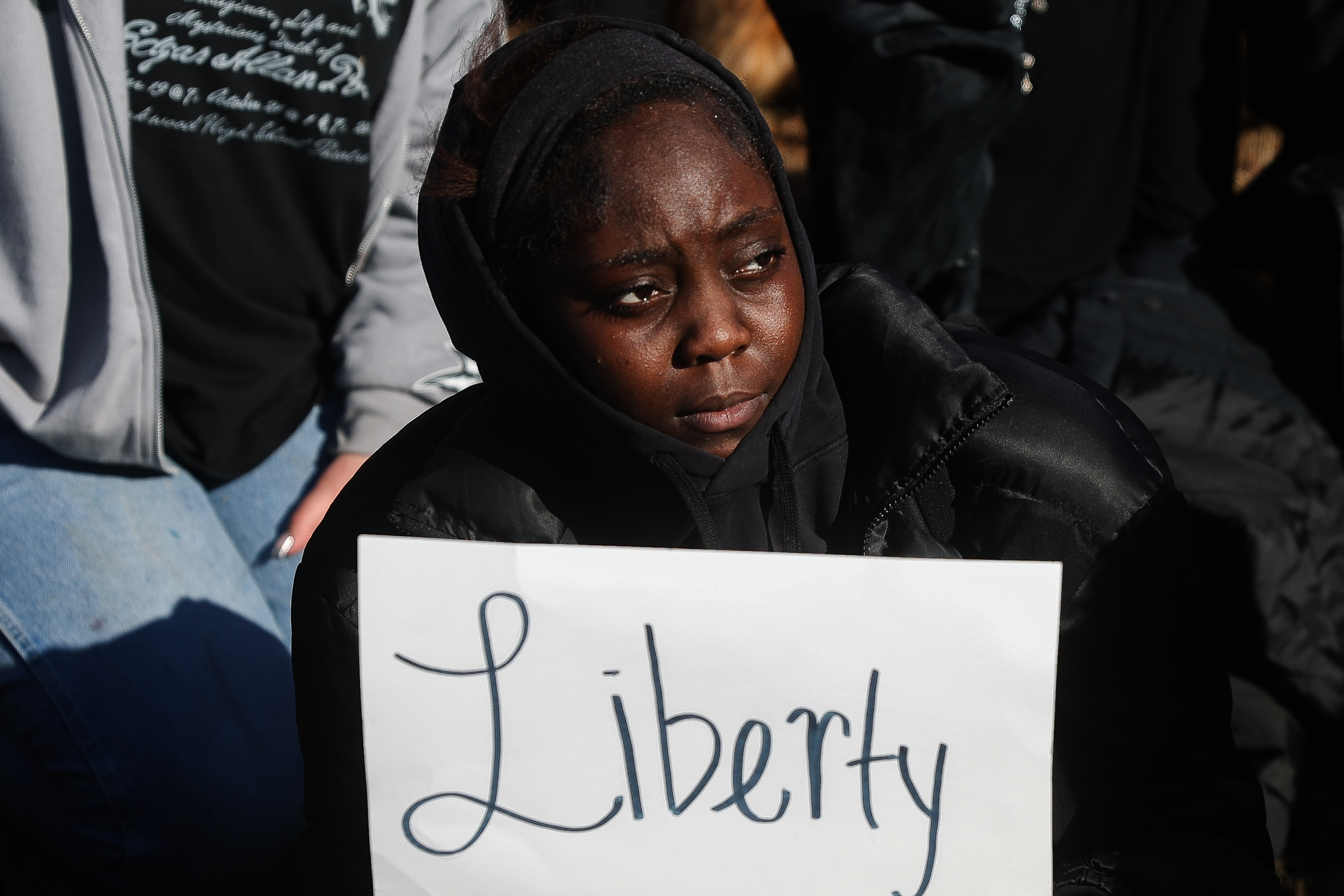
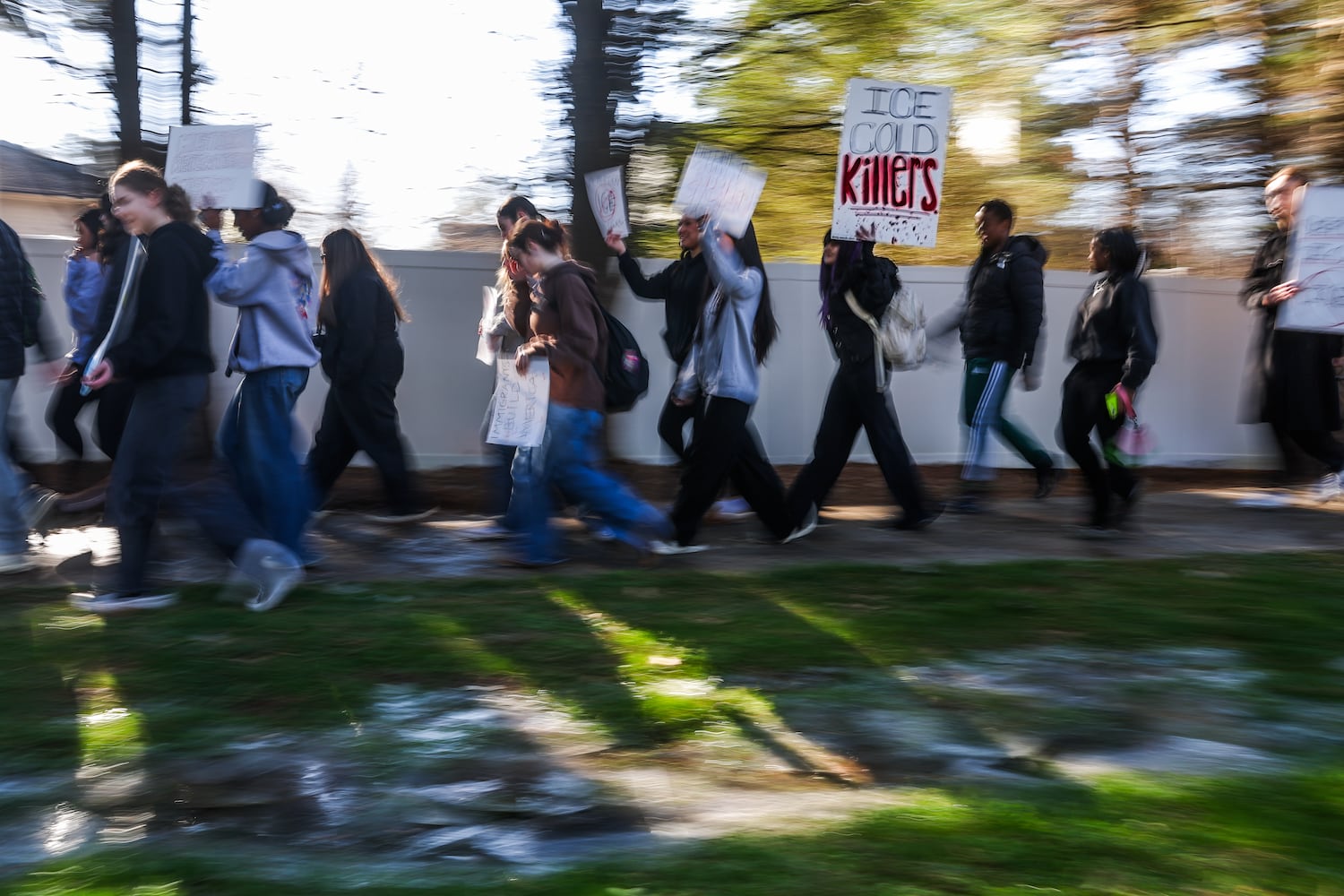
Learning time is another casualty. Georgia schools are still grappling with chronic absenteeism and uneven academic recovery. Teachers already struggle to maintain continuity when students miss class. Normalizing walkouts during instructional hours signals that learning is optional when politics intrudes — a message that undercuts schools’ core mission.
Finally, there is the question schools appear least eager to confront: liability. Districts have a duty of care to students during the school day. Encouraging or tacitly approving mass walkouts without parental permission exposes schools to legal risk if students are injured, leave campus, or encounter law enforcement.
None of this is to deny that some students and families feel real anxiety about immigration enforcement. Educators care deeply about their students, and that concern is genuine. But caring for students does not require turning the school day into a political free-for-all.
Public schools can — and should — teach students about civic engagement, protest, and constitutional rights. They can do so through structured lessons, discussions, and opportunities for expression that do not disrupt instruction or compromise safety. What they cannot do is selectively suspend rules whenever a political cause they happen to like bubbles up.
Civil disobedience requires sacrifice. The risk of consequences is a fundamental part of the whole concept. Once schools treat walkouts as consequence-free expressions of student voice, they become field trips without a permission slip.
Erika Sanzi is senior director of communications at Defending Education, a national grassroots organization with a mission “to restore schools at all levels from activists imposing harmful agendas.”
About the Author
Keep Reading

The Latest

Featured
