EATONTON — As the mystery surrounding the high-profile 2014 killings of a Lake Oconee husband and wife stretches past the 12-year mark, the sheriff probing the deaths continues exploring new leads and, at times, hand-delivering potential DNA evidence to private laboratories for genetic sleuthing.
The lawman’s efforts to crack the unsolved slayings of Shirley and Russell Dermond, retirees in their late 80s who lived in a gated, golf course enclave of multimillion-dollar homes with waterfront vistas, have so far proved futile.
Even so, as recently as this week, Sheriff Howard Sills of Putnam County said he spent hours scouring case files anew in search of avenues to track down the person or people responsible.
Sills declined to divulge specifics, but in a wide-ranging interview with The Atlanta Journal-Constitution he covered new ground about information he has gathered over the past decade-plus and said he is hesitant to discount tips his office receives, no matter how far-fetched. He also said he has steeled himself to inevitable dead ends.
“I’ve learned not to be optimistic,” Sills said Tuesday. “We’ve run down so many leads. Well, we don’t run down the bulls---. We don’t run down the aliens and the alligators. But the other plausible leads, we jump on.”

Credit: Christian Boone
Credit: Christian Boone
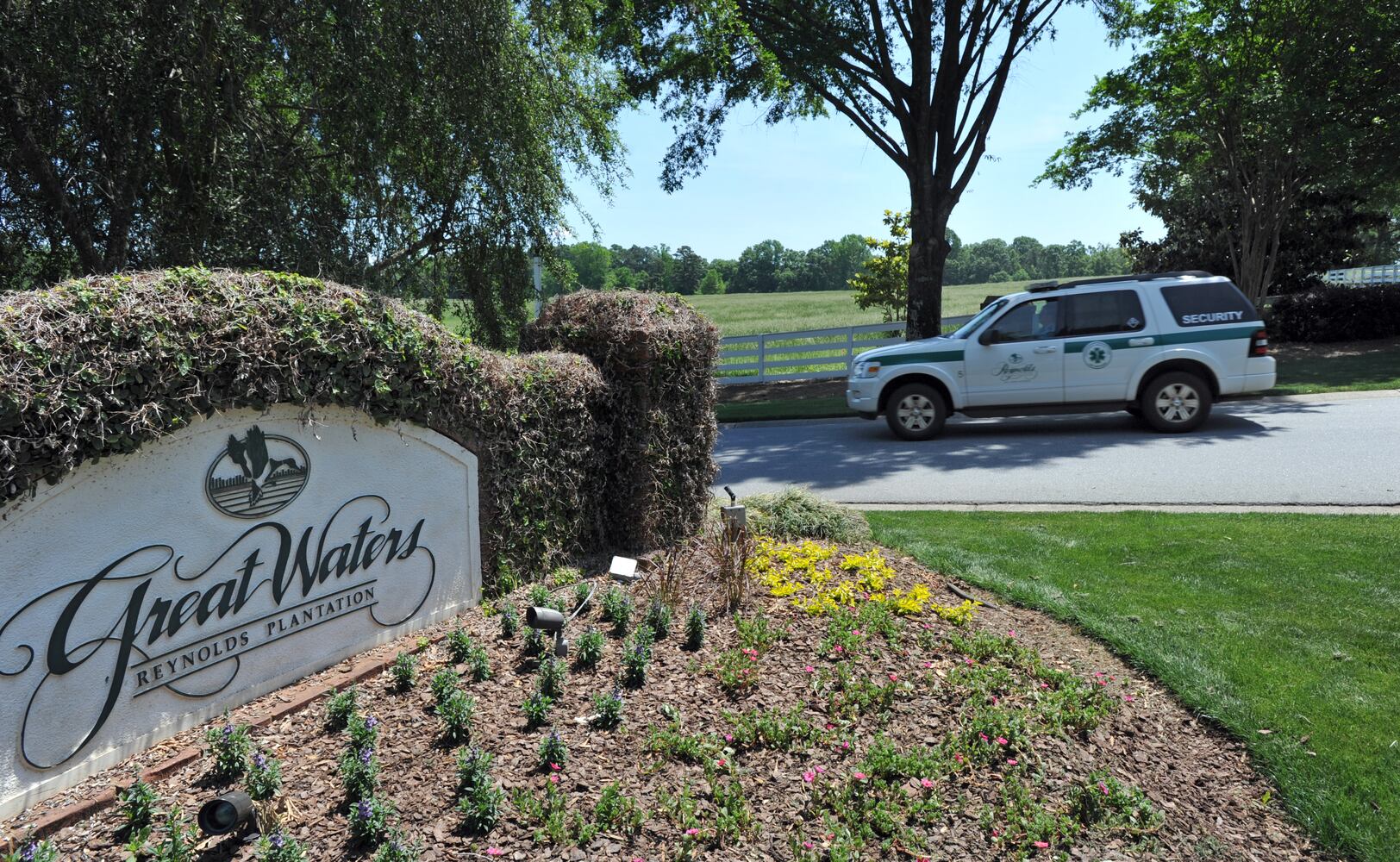
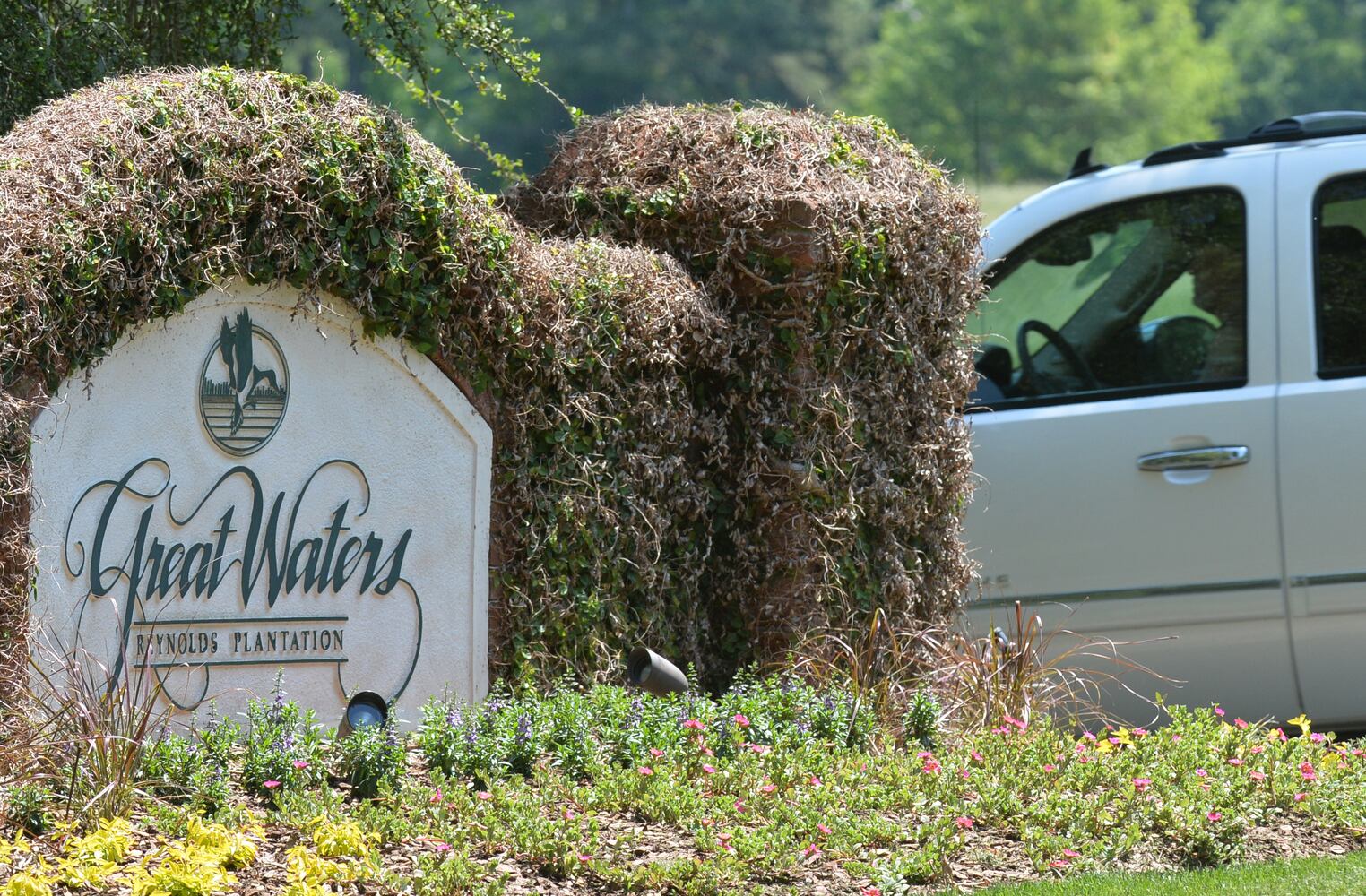
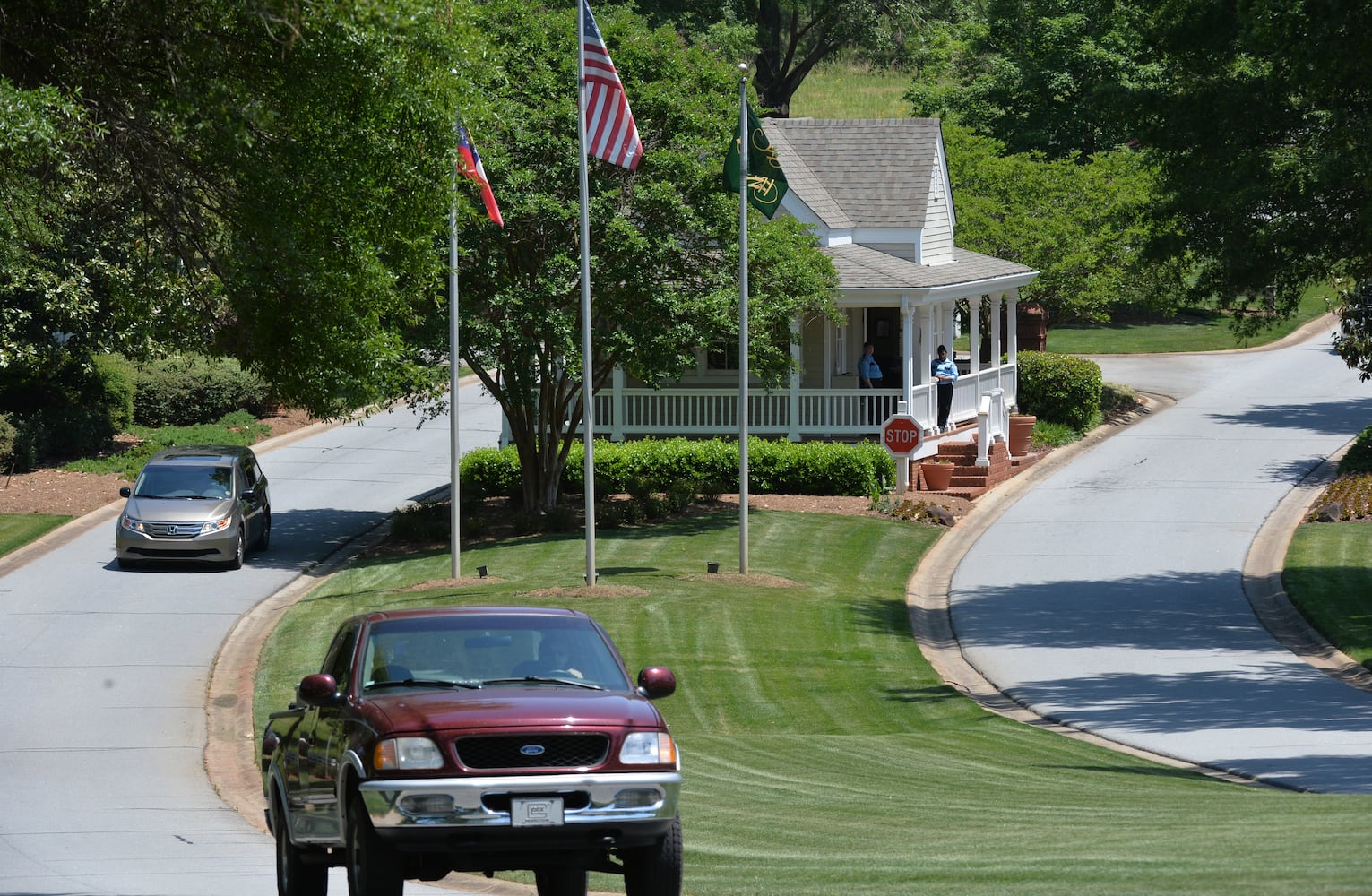
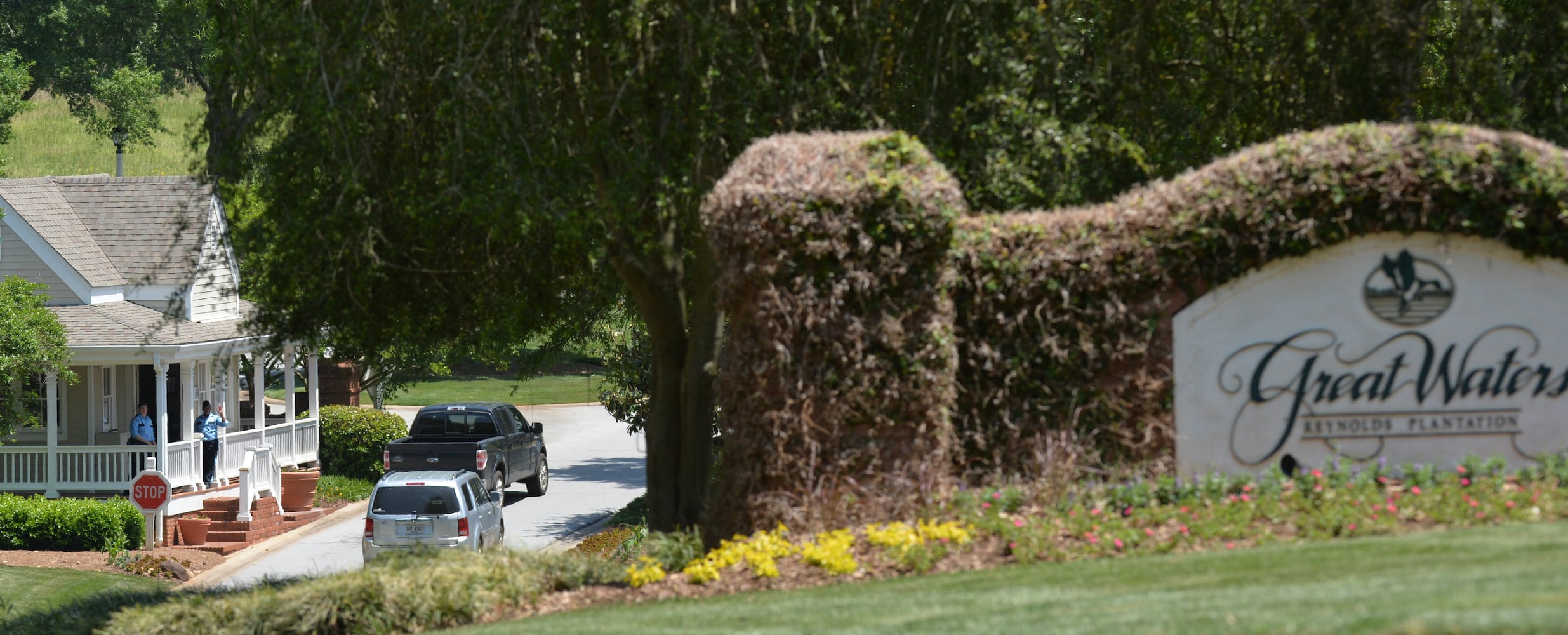
The killing of Russell Joseph “Russ” Dermond, 88, came to light the morning of May 6, 2014, when friends checked in on the Dermonds after the couple failed to show up at a Kentucky Derby party in their Great Waters subdivision three days before. Russell’s body was lying in a pool of blood in his two-car garage. He had been decapitated.
The body of Shirley Wilcox Dermond, 87, did not surface until 10 days later, some 5 miles down the lake from their house. She had died of blows to the head. Her body had been weighed down with concrete blocks but became tangled in underwater treetops, a vestige from the river basin that predate the 45-year-old human-made reservoir. A pair of fishermen found her.
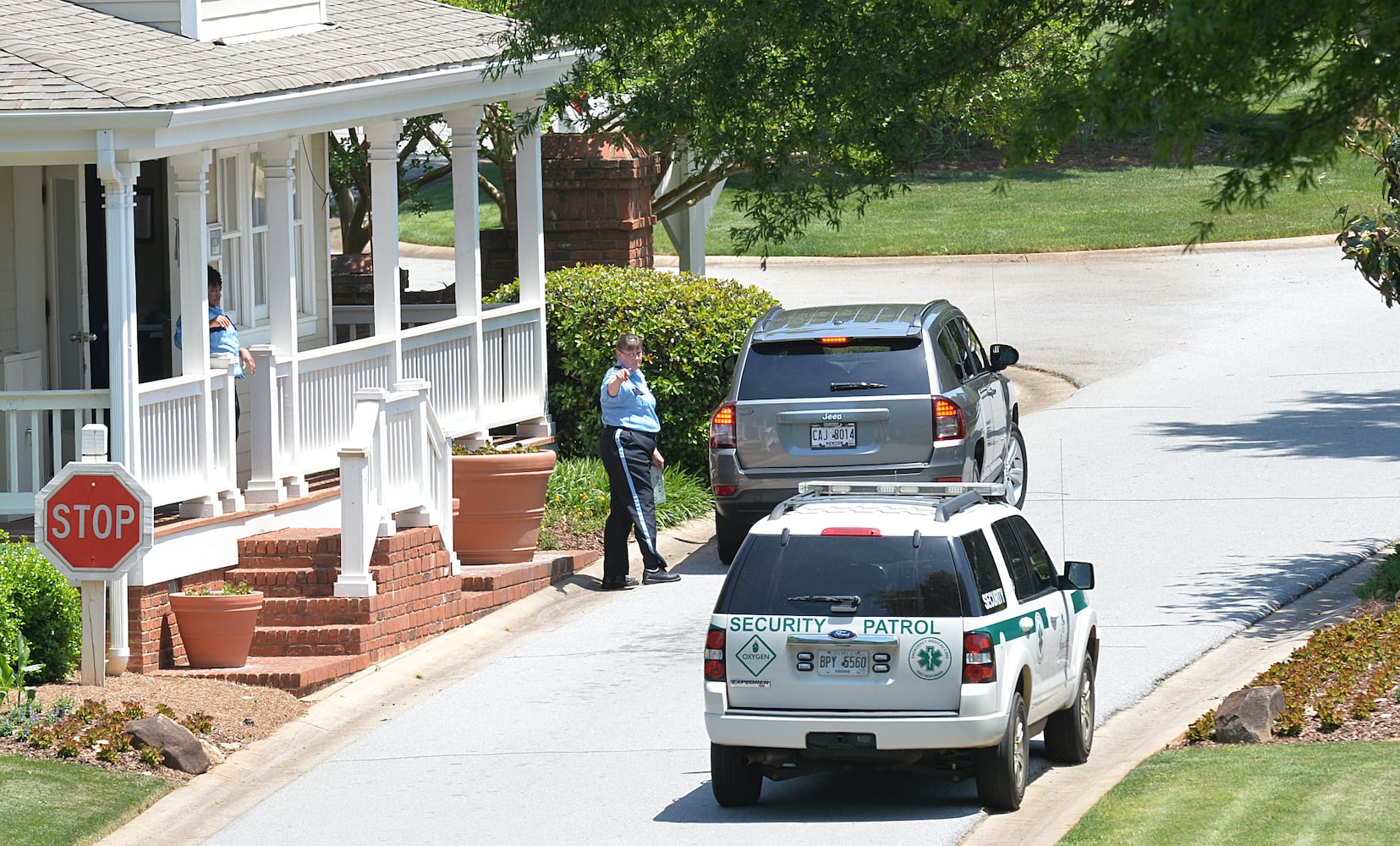
For weeks, almost by default, the focal point of the investigation became the Dermond house, a 3,200-square-foot, $1 million split-level built in 1999 that overlooks a small cove about 10 miles south of I-20.
But today Sills, who has rarely spoken openly about details surrounding the Dermonds’ manner of death, doesn’t believe the pair were killed in their home. He is almost certain Shirley was not killed there because of the brutality of her fatal wounds.
“Mrs. Dermond was beaten to death with some sort of blunt instrument like a hammer. … If it was a hammer, it was a larger-headed hammer than a typical household hammer,” Sills said.
She suffered at least two blows to the head, one of which penetrated her skull.
“The force necessary to deliver that wound, when you pull back to deliver that force again, there would have been cast-off blood present, in my opinion. And there was none,” the sheriff said.

Russell’s cause of death is far less clear: head trauma. He could have suffered a fate similar to his wife’s or, among the possibilities, been shot in the head. But his head has never turned up.
Investigators found gunshot residue on his shirt. His decapitation, a clean severing, has long prompted speculation about sinister motives, but Sills has considered the possibility that Russell’s killer simply sought to retrieve a bullet that might link it to a rare or specialty firearm. “Or,” Sills said of the killer’s motivation, “you just didn’t want to get rid of your gun.”
Sills has in the past two years taken items of interest from the Dermond place ranging from clothing to various household objects, including a table lamp, to private DNA-testing labs out west.
Upon testing in 2024, the shirt Russell had on when his body was discovered bore traces of DNA that was not his, which led Sills to believe it could belong to a killer. But the sample was too scant to offer a fuller profile that might result in a match using the FBI’s Combined DNA Index System.
One of the mystery samples has been determined to belong to a male, but that is as narrow as the results have been.
Early this spring, Sills submitted for testing something he found on a countertop in the Dermonds’ kitchen — “an article that was left there,” he said — but even though it contained non-Dermond DNA, it too lacked the necessary markers for entry into CODIS.
Still, the sheriff said, “I do have DNA that, if I had a suspect, potentially I could match it.”
Early this week, while he was examining the case file, a separate, anonymous tip came to his attention. He plans to run down that tip and to contact individuals investigators have spoken to in the past.
“I’m going back and looking at some people we interviewed before,” Sills said. “But I wouldn’t call them suspects.”
He also revealed that in one case-file box he has details on backgrounds of people whose cellphones or other electronic devices were culled from a so-called geofence warrant served to Google in the early stages of the Dermond probe. Such measures enable police to collect location data on devices near crime scenes.
Sills — for perhaps the first time publicly — said none of those devices were believed to have been on the Dermond property, though some were on the lake and nearby around the time the Dermonds would have been slain.
“I have a file on each one of those people,” the sheriff said, “and none of them have I been able at this juncture to see any significant criminal history in their backgrounds, nor any nexus between them and the Dermonds.”

Credit: Joe Kovac Jr.
Credit: Joe Kovac Jr.
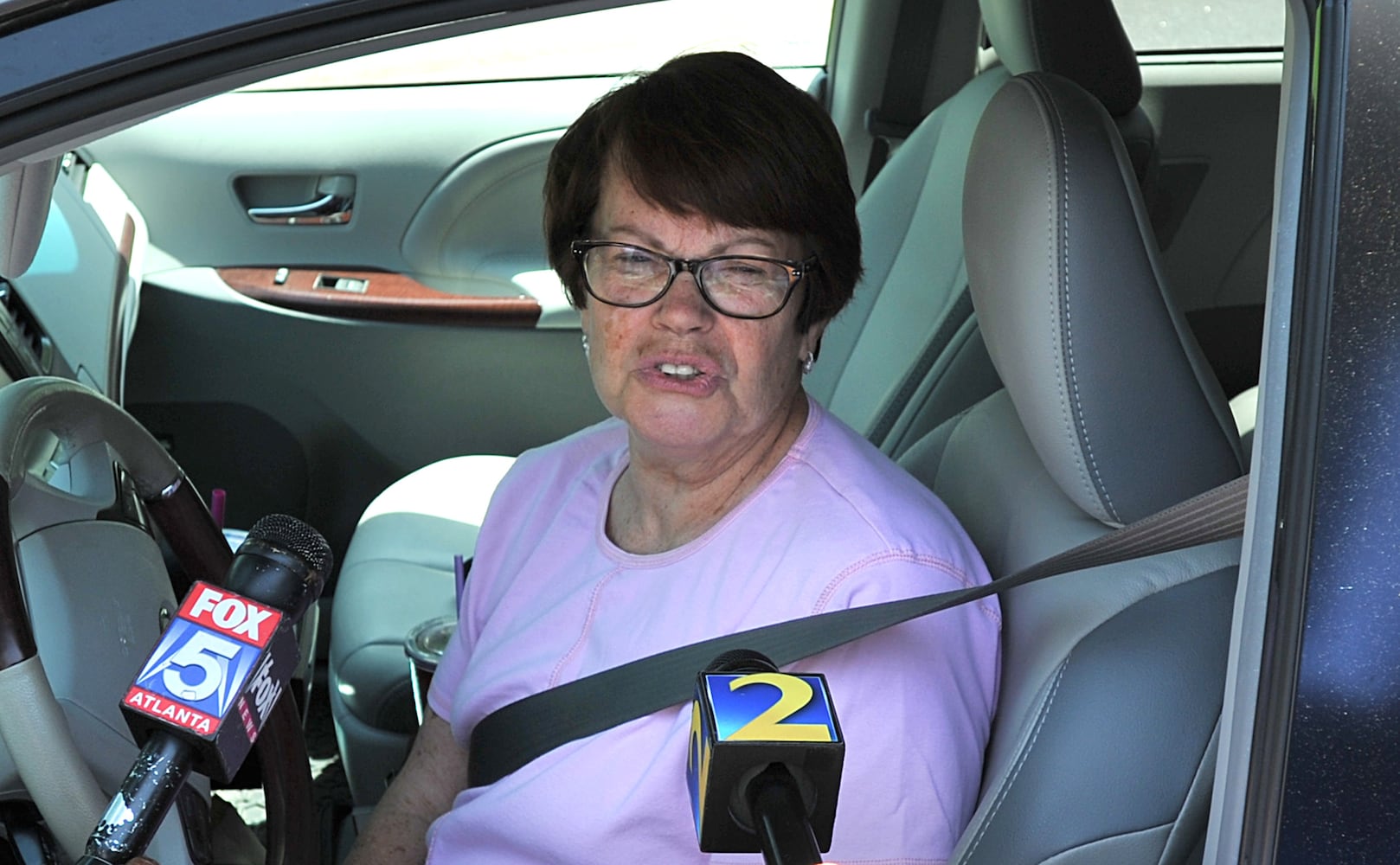
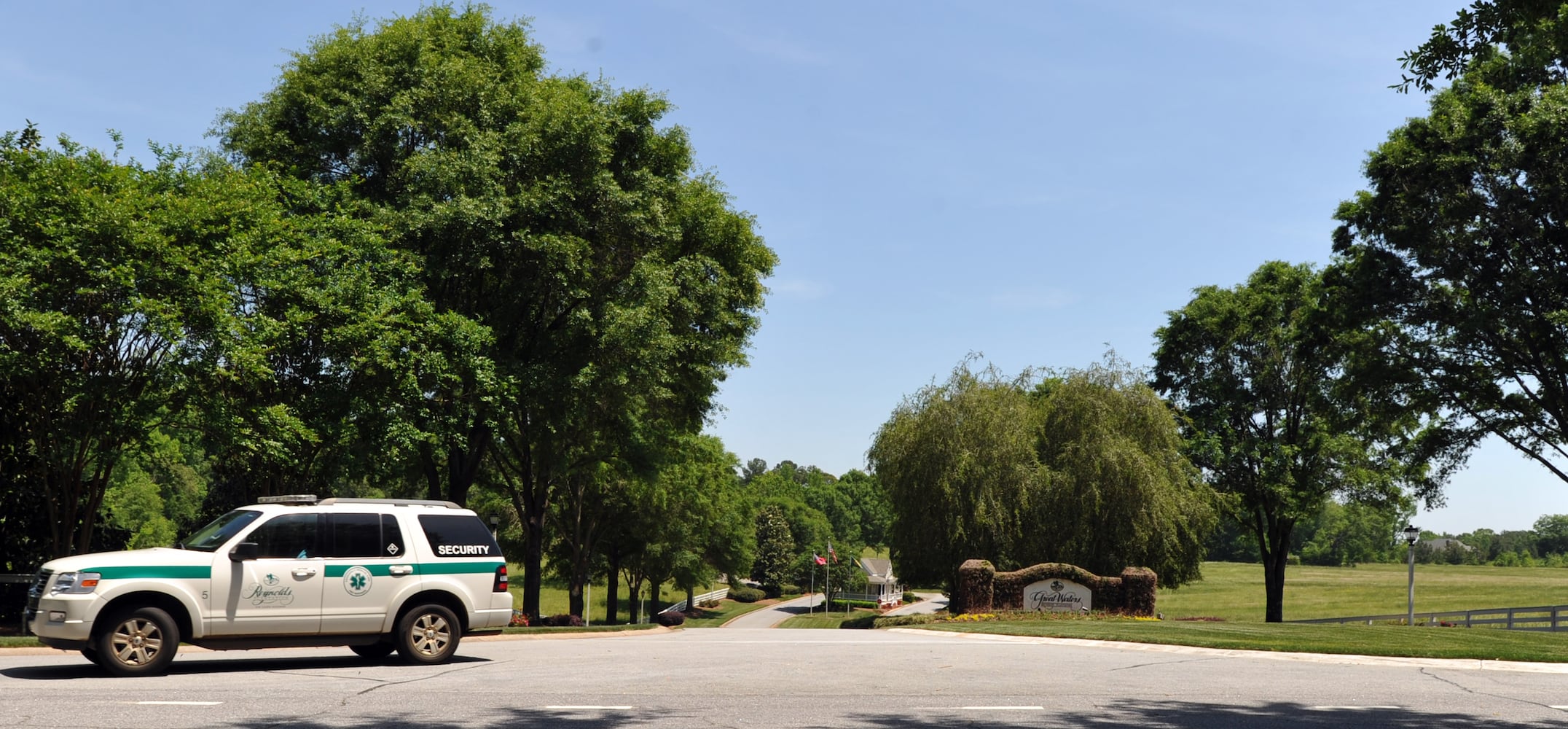
In the dozen years since the killings, life has seemingly long since returned to normal in the neighborhood.
In 2024, a new house, valued at about $2.5 million, was built on a vacant lot next door to the Dermond house.
As for Russell and Shirley’s place, it sold for $650,000 less than a year after the killings. The new owners have since put in a pool.
About the Author



Keep Reading

The Latest
Featured