


Today, it’s fairly common for the ultra-rich to pour their wealth into environmental causes.
Jeff Bezos, Tom Steyer and many other billionaires have donated portions of their riches to fight climate change and conserve nature.
But years before them, there was the man some consider the real “Captain Planet”: Ted Turner.
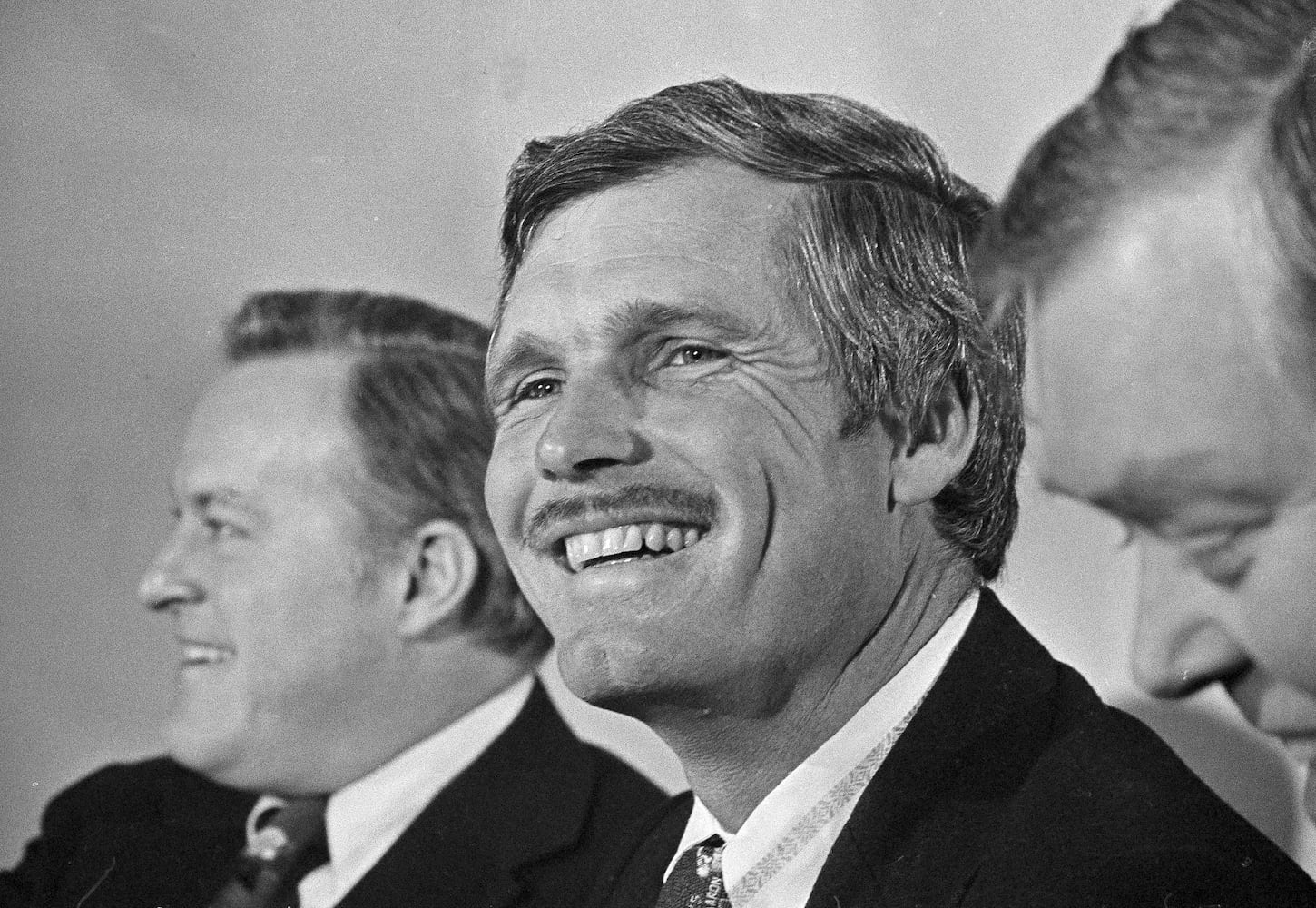
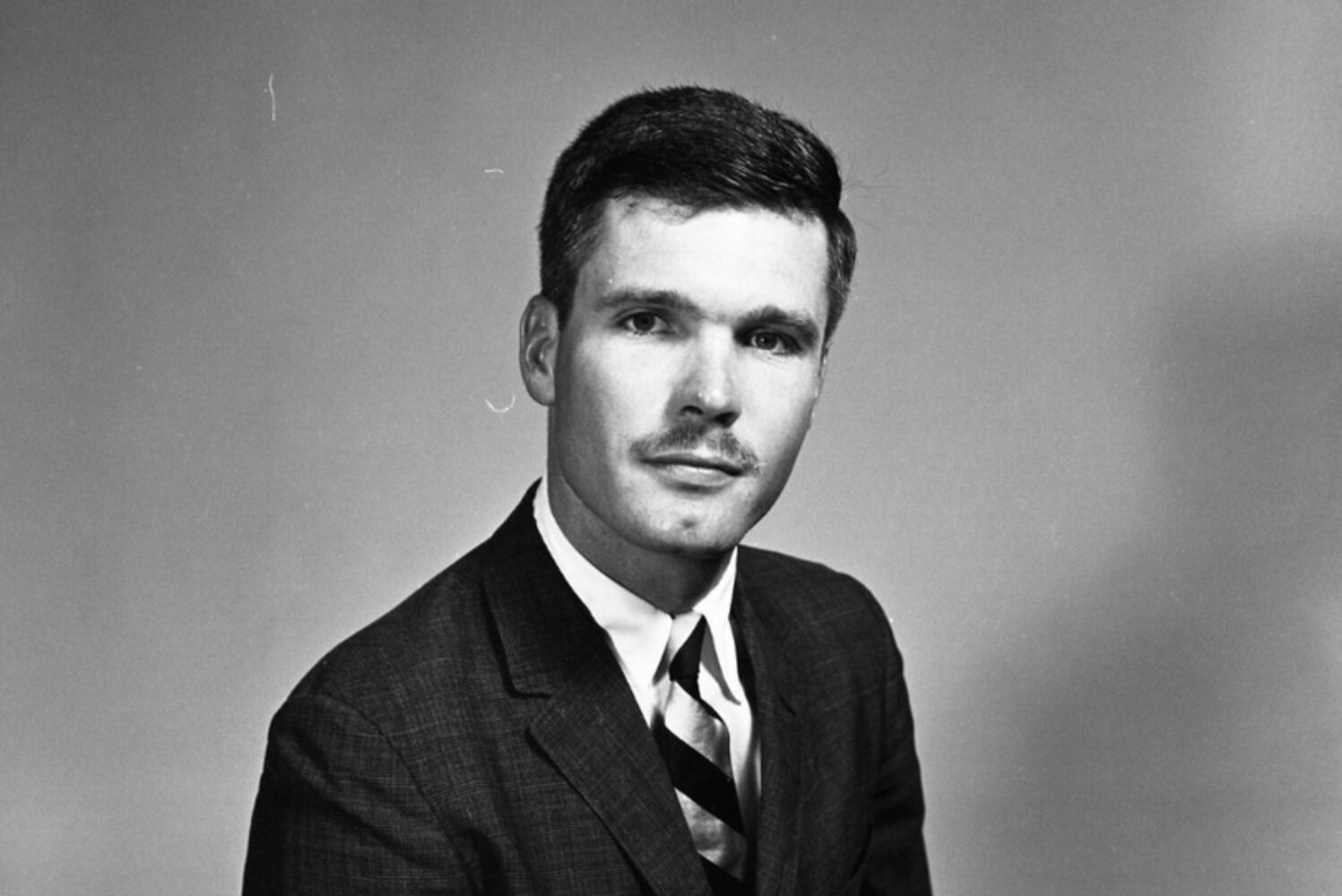
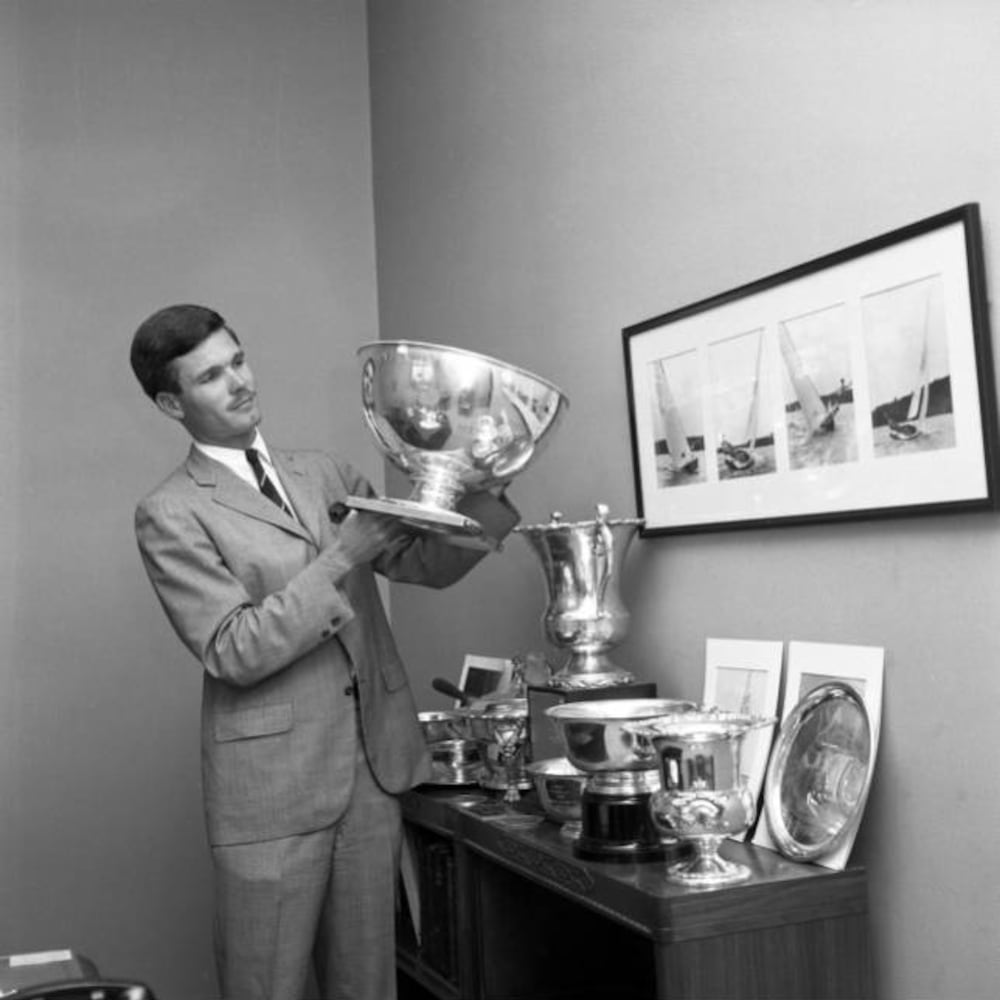
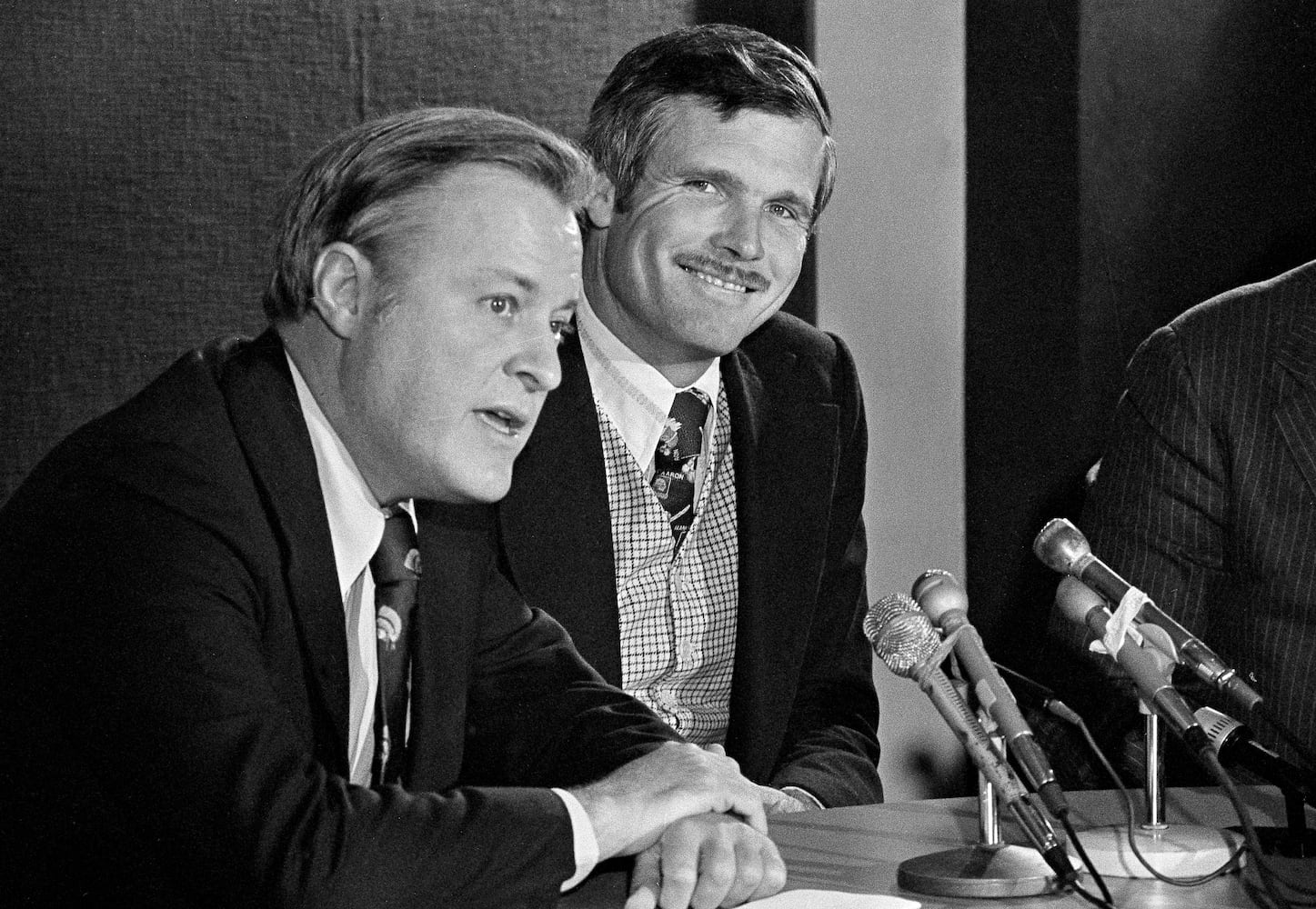
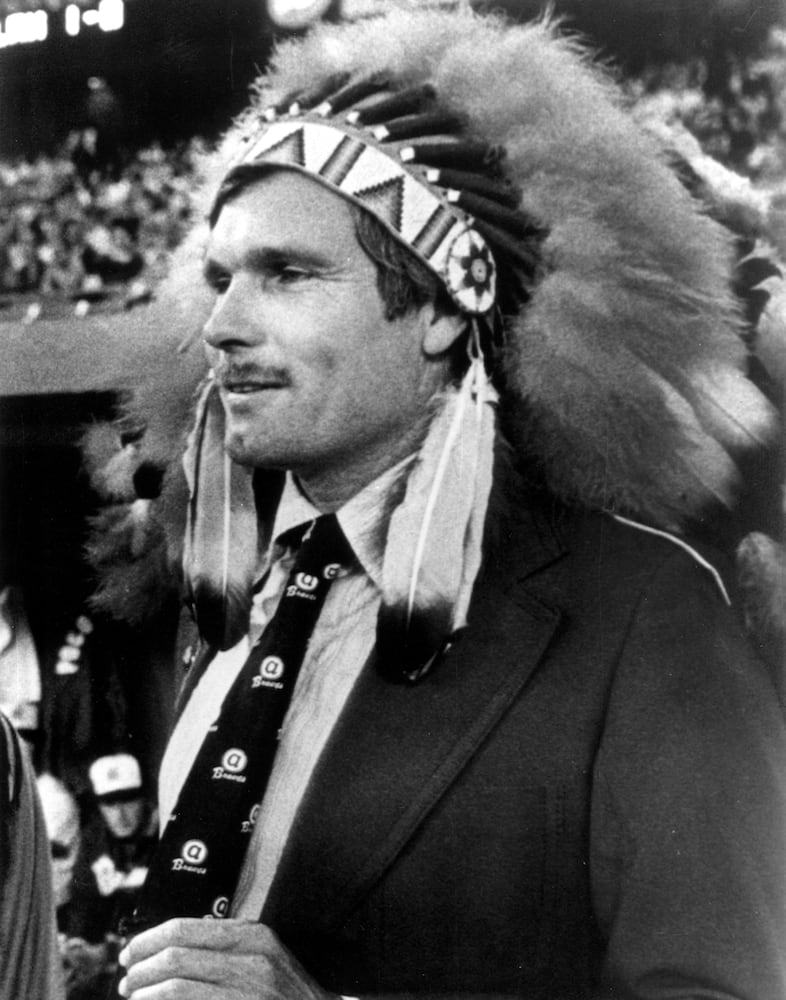
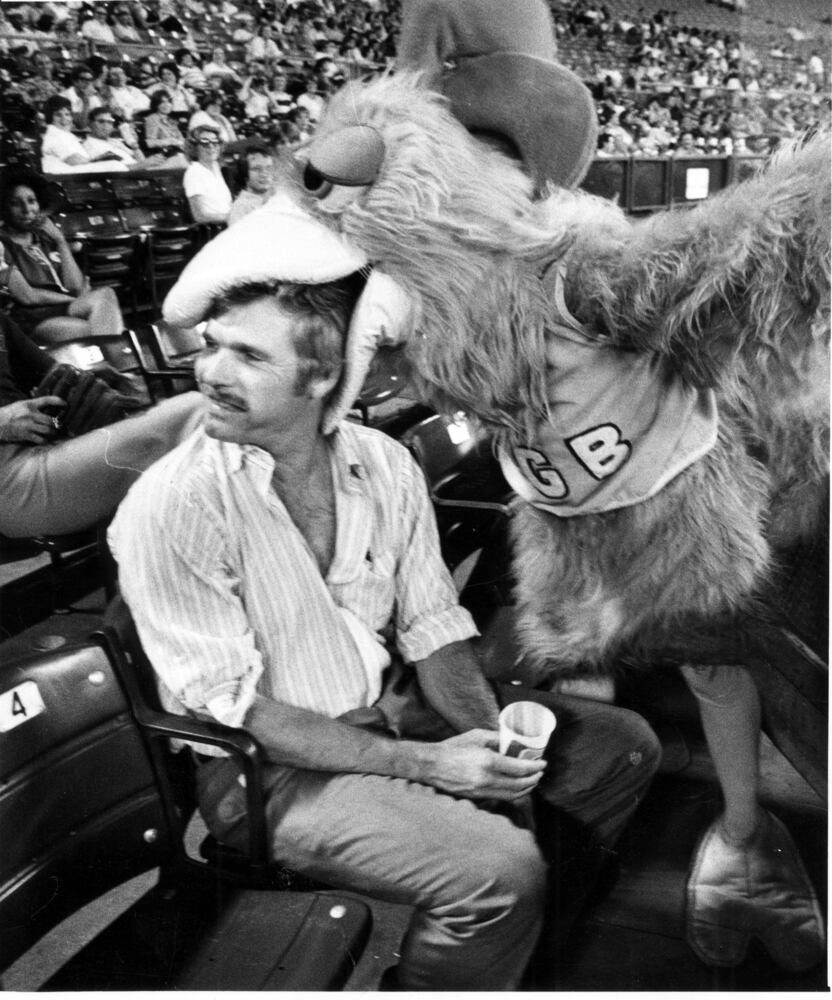
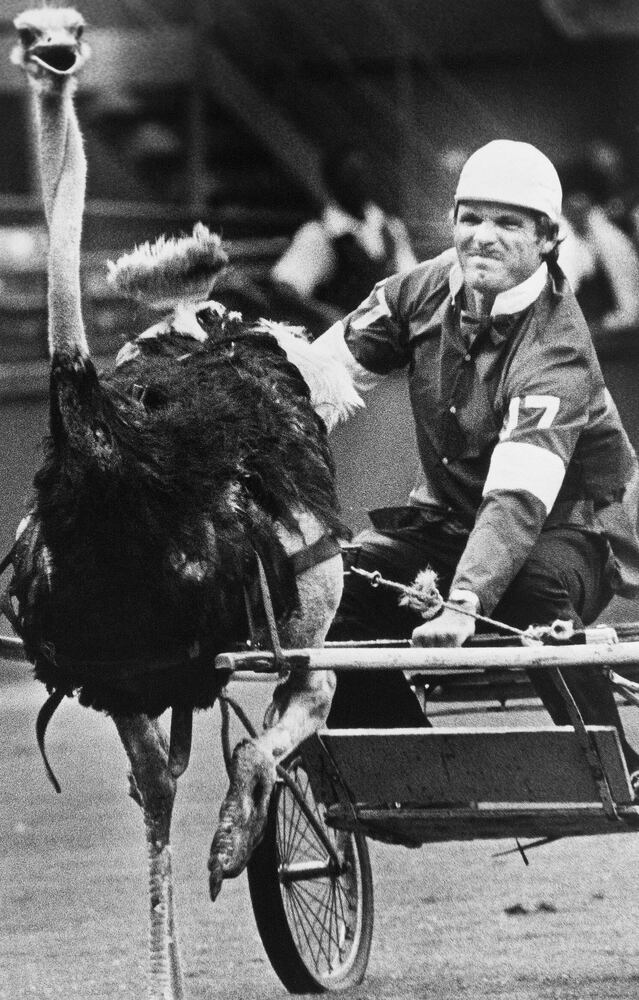
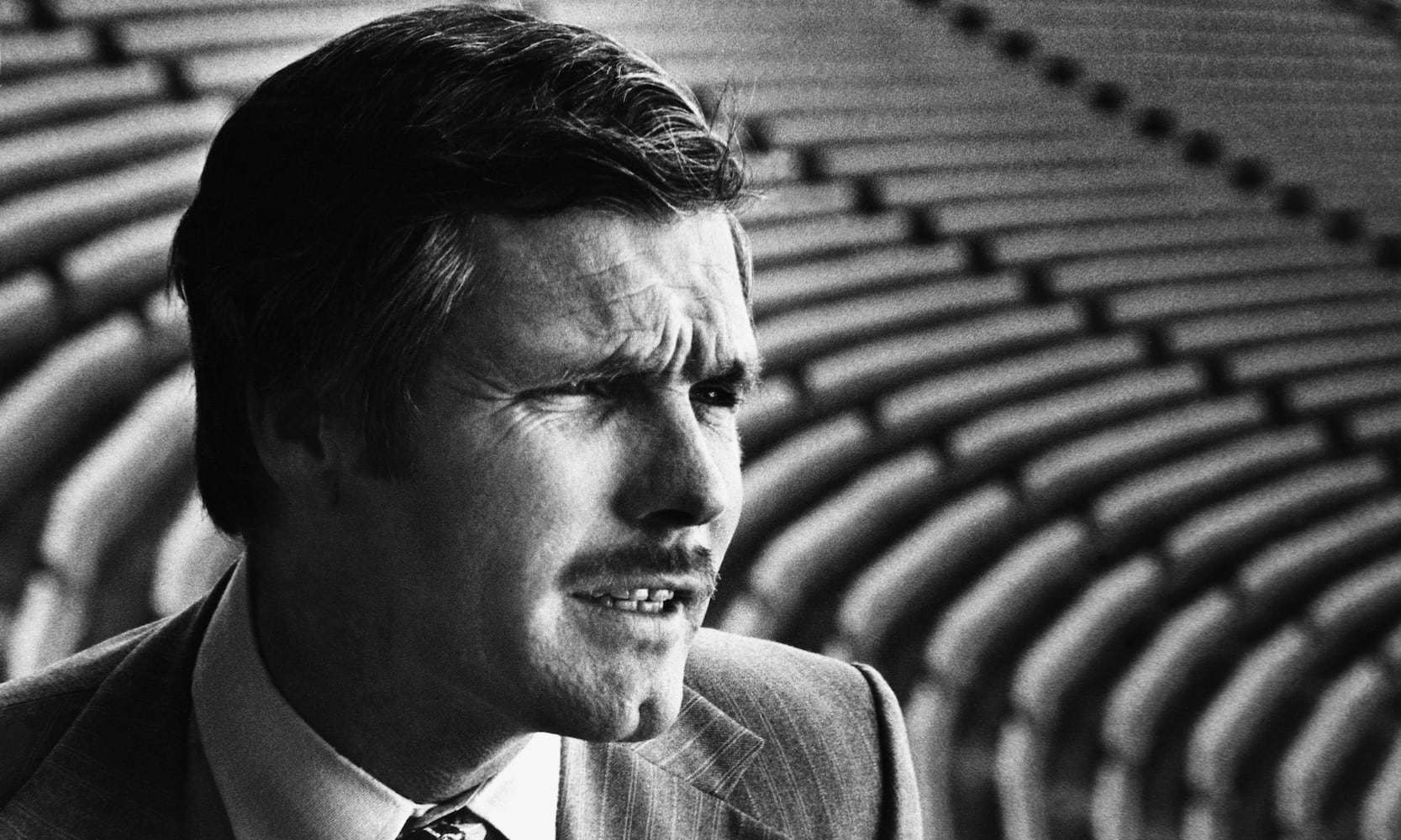
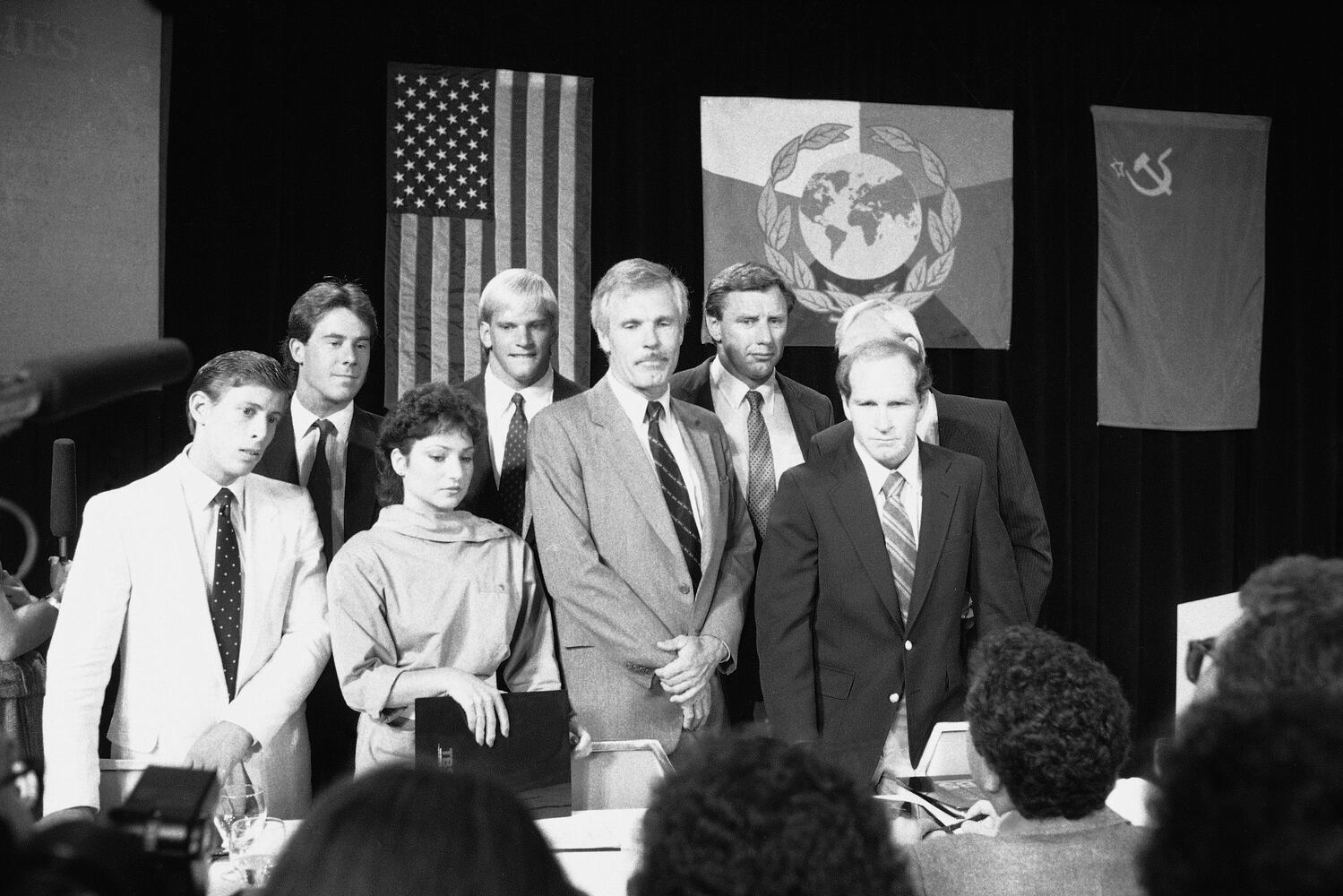
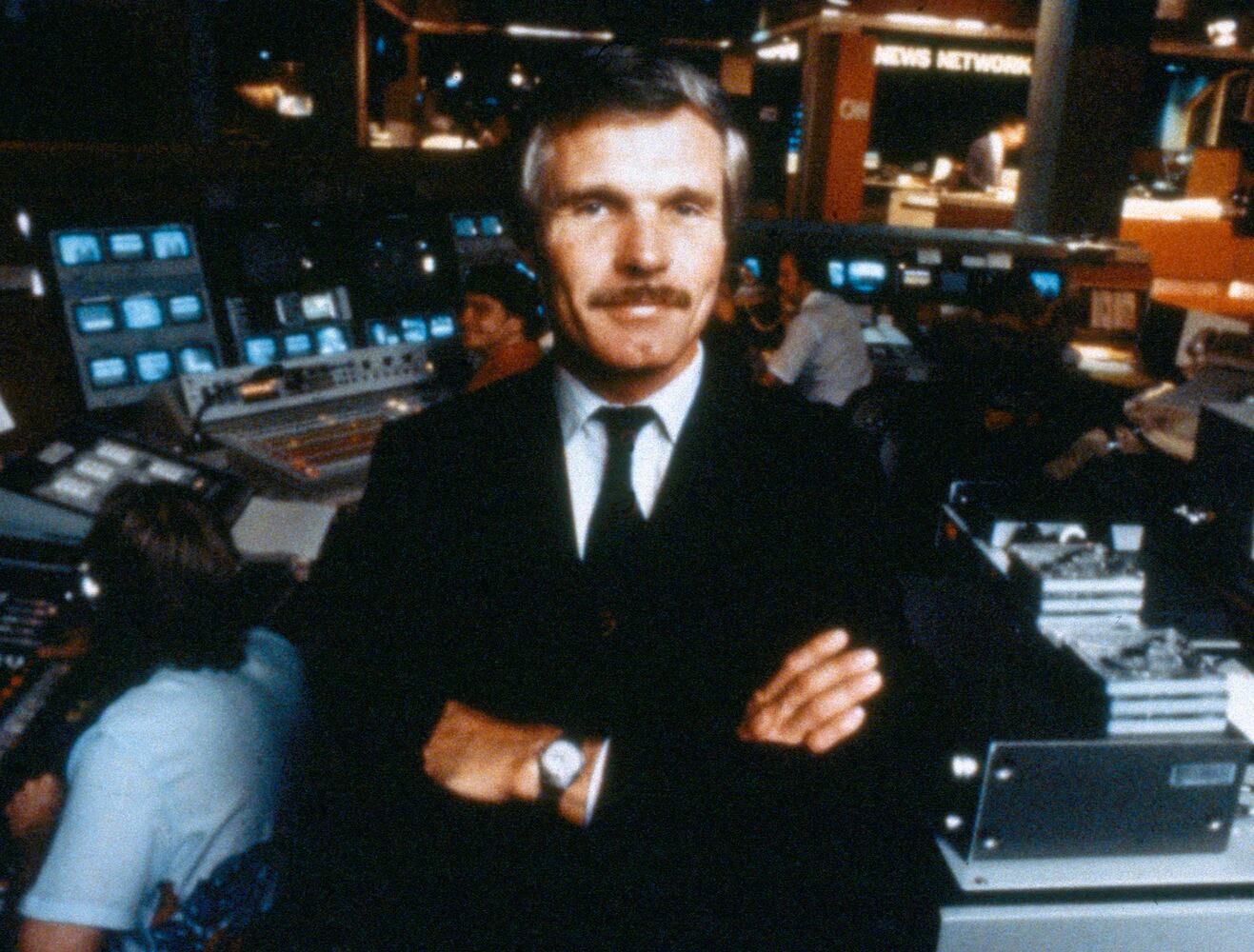
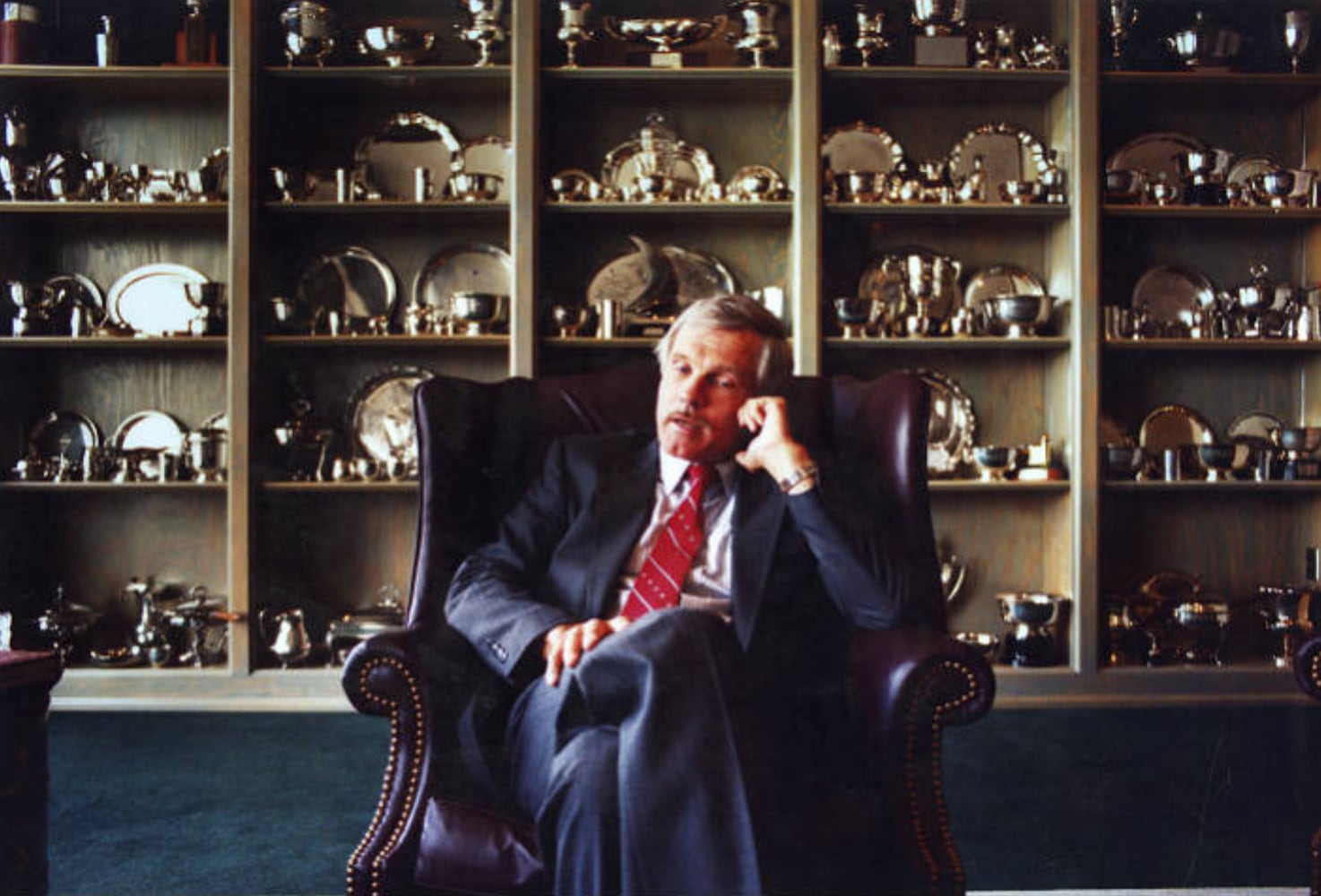
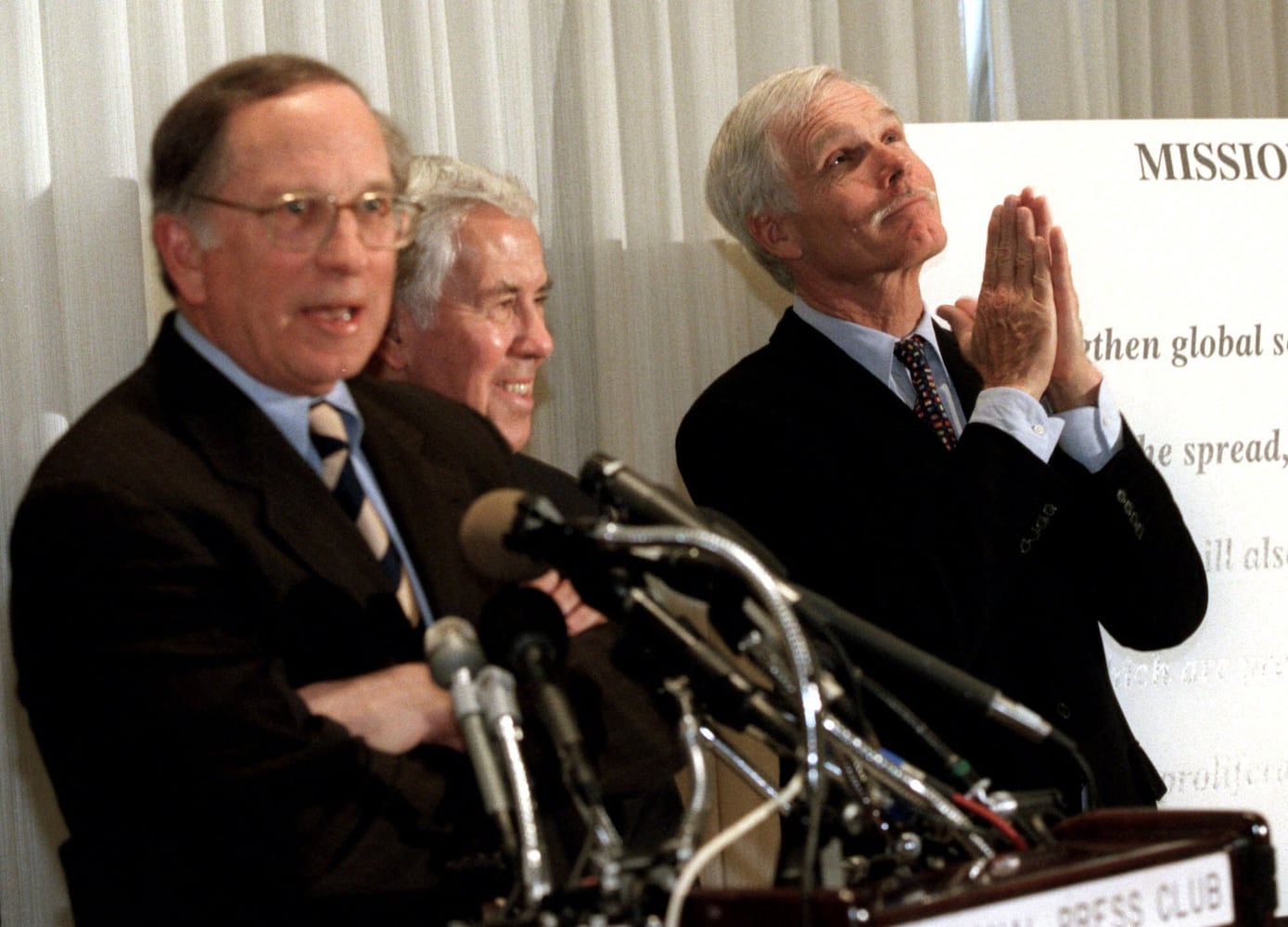
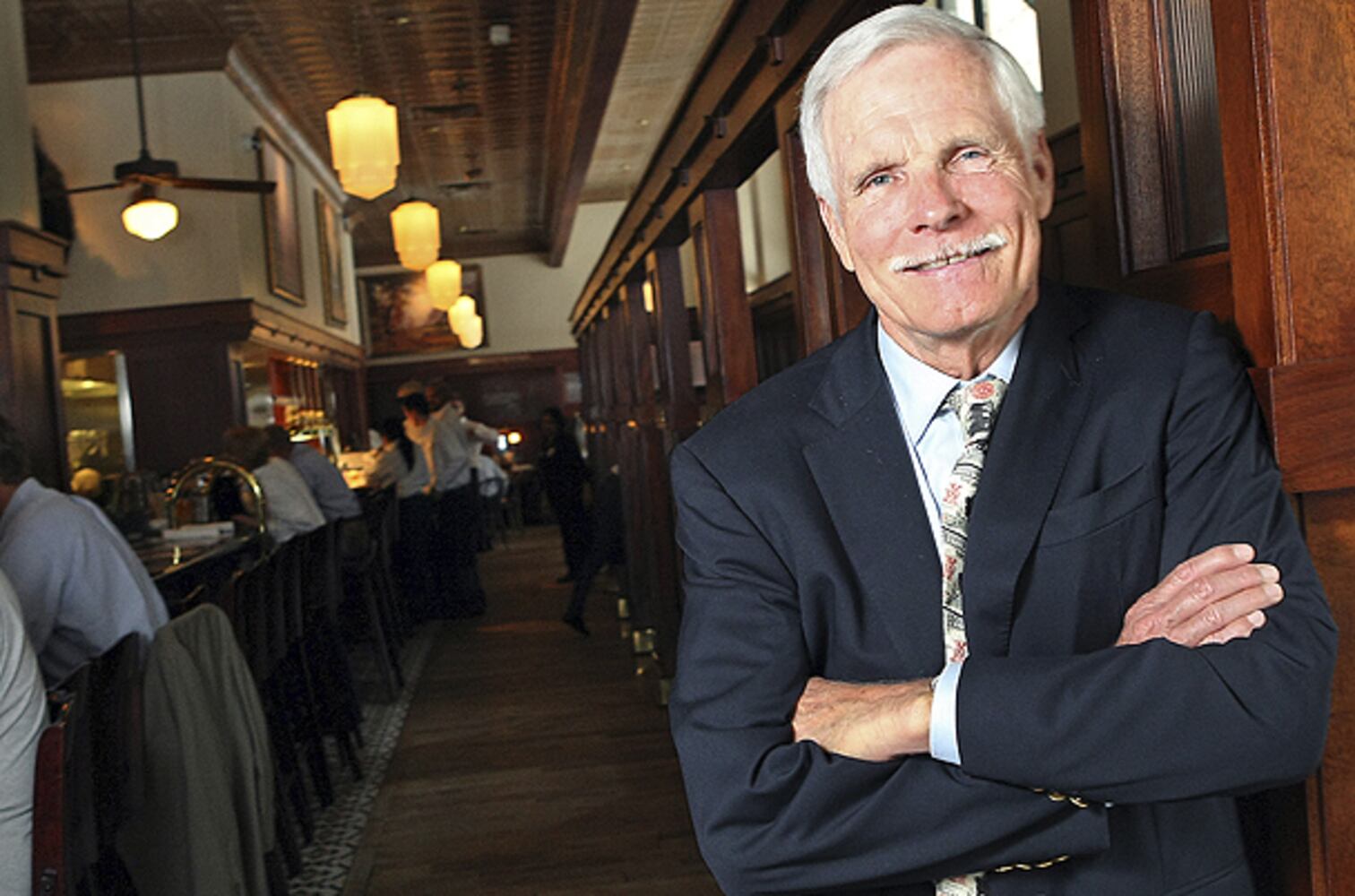
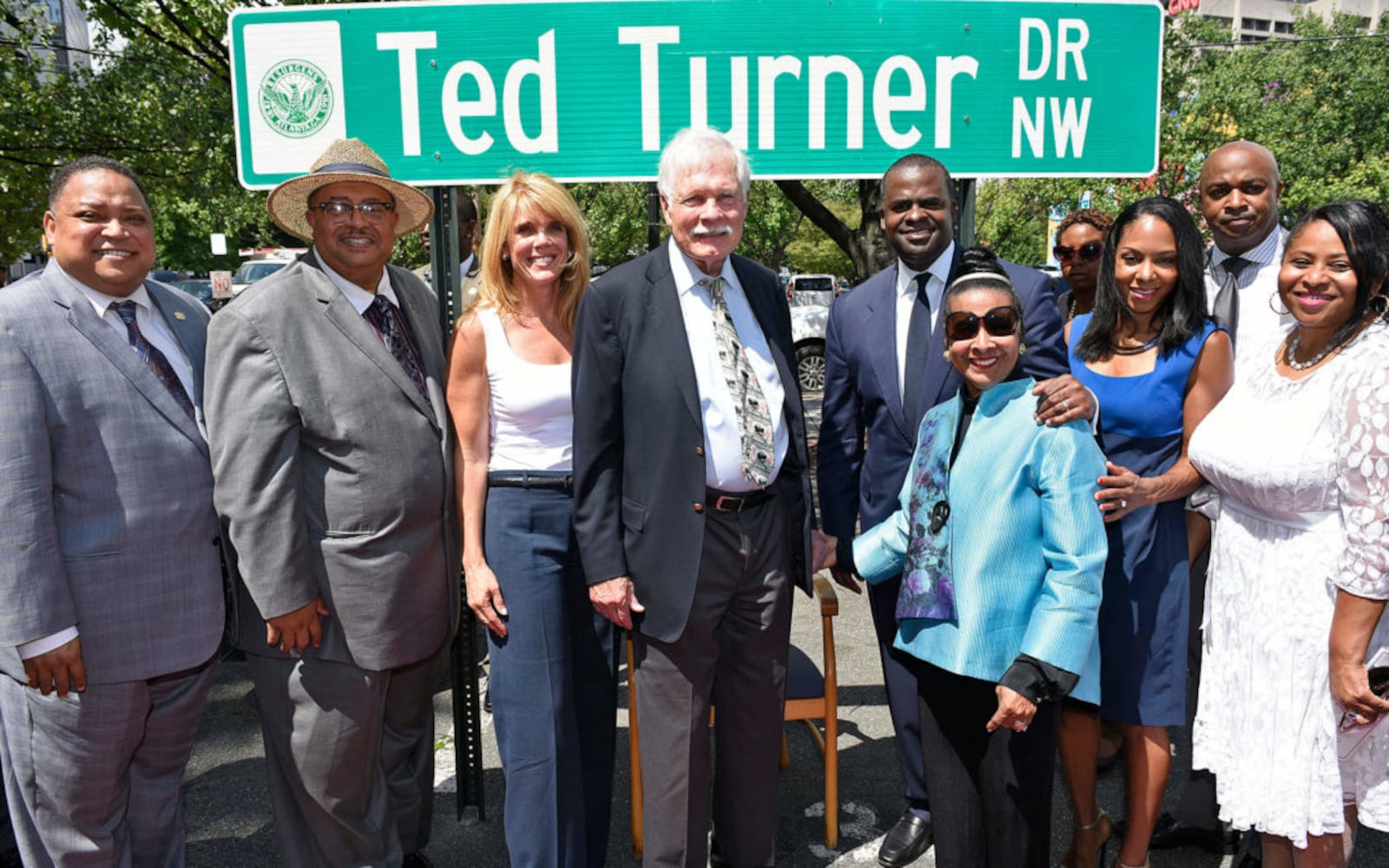
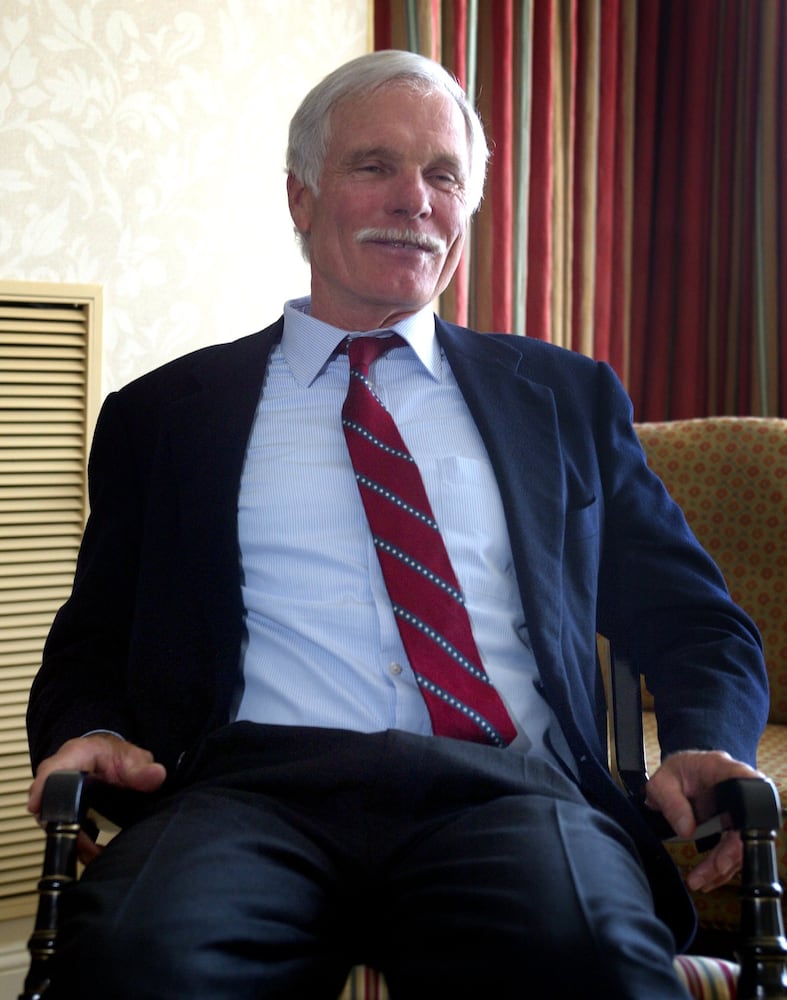
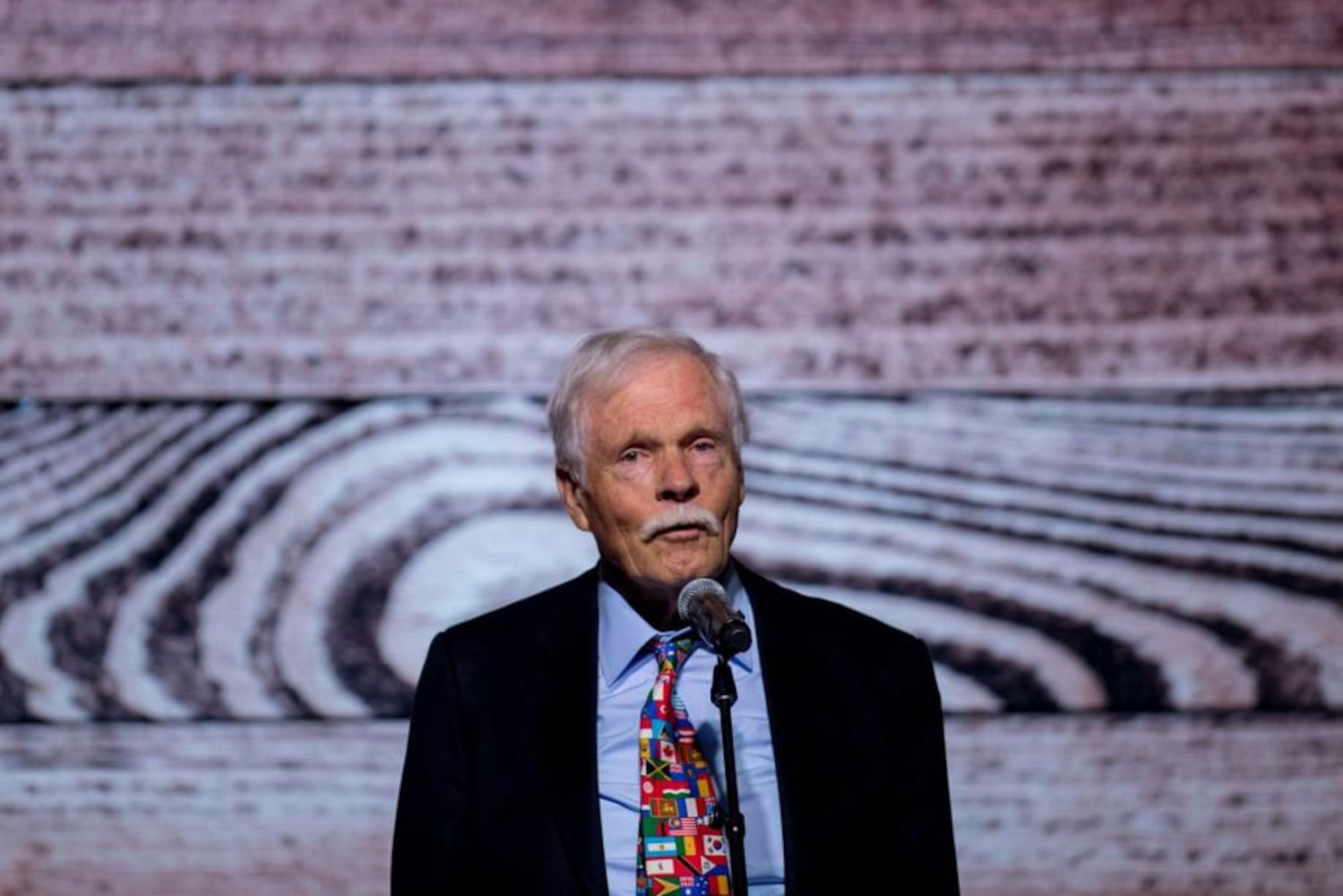
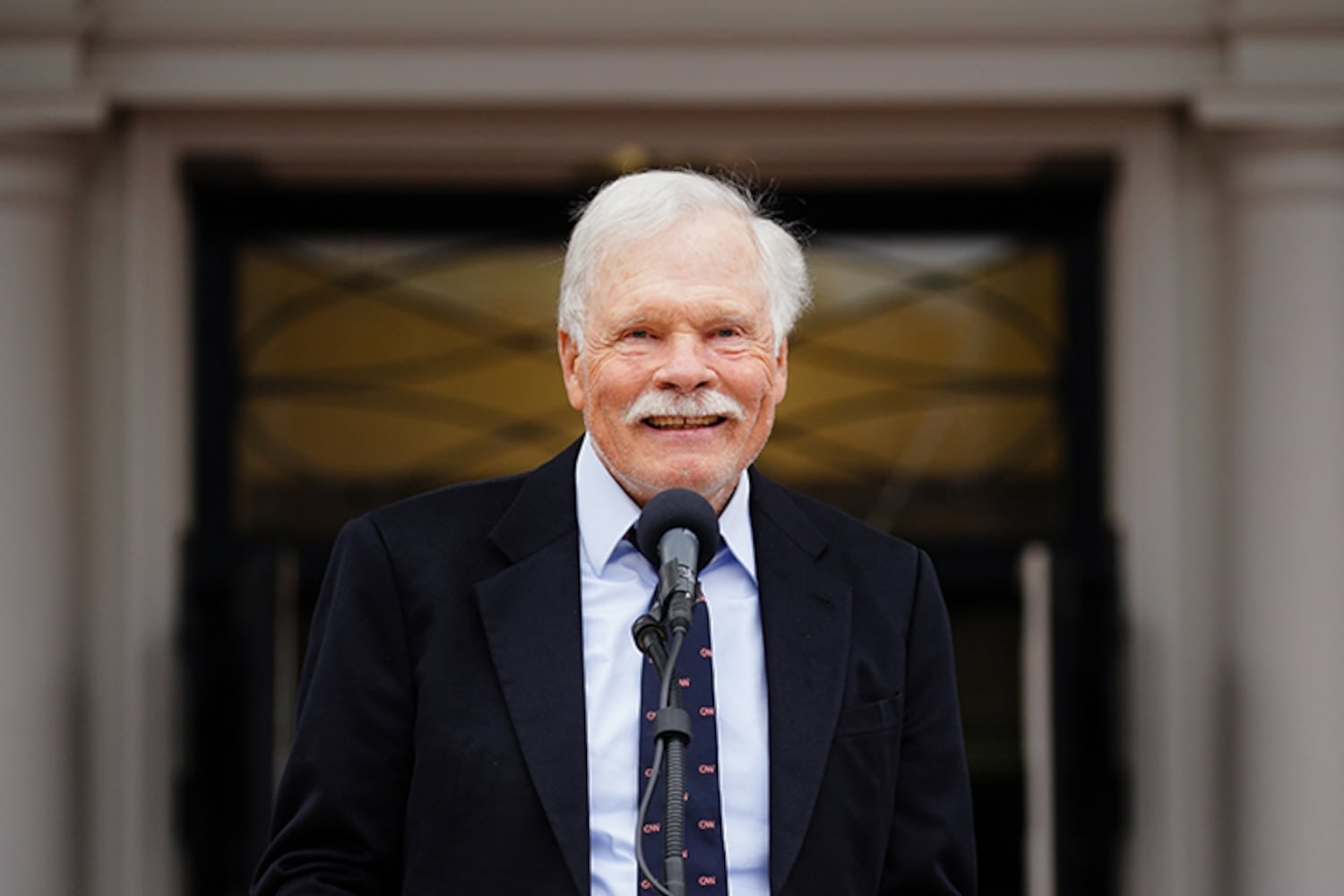
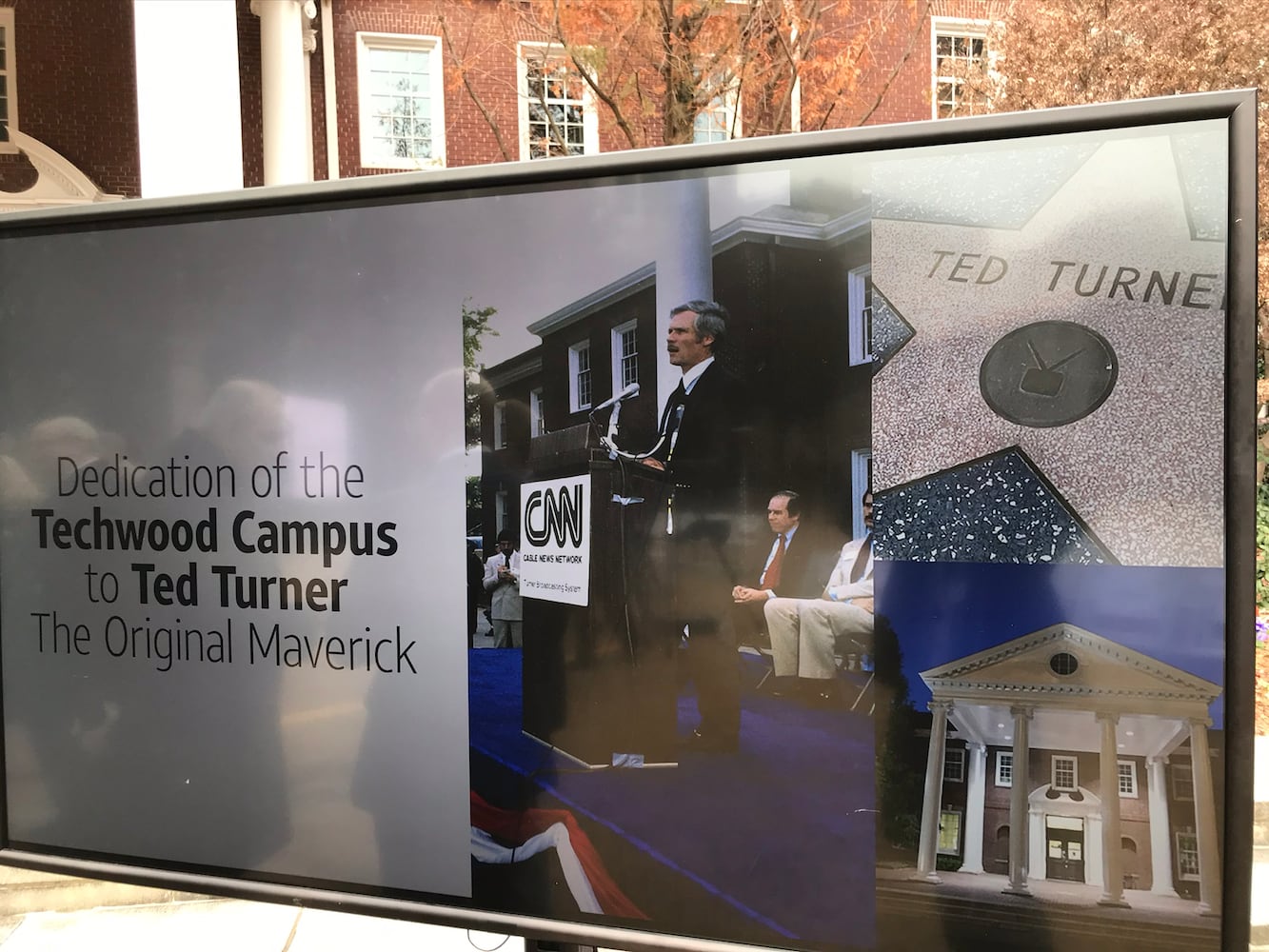
Turner, who died Wednesday at the age of 87, will be remembered as a buccaneering entrepreneur whose companies reshaped media, news, advertising and sports. But for all his business success, Turner’s efforts to protect the planet itself and its few remaining wild places could be his most enduring legacy.

Credit: AP
Credit: AP
Turner protected American prairies, helped restore iconic species and embraced renewable energy as a climate-change solution years before it was en vogue.
Larry Selzer, president and CEO of nonprofit The Conservation Fund, said Turner was in league with President Teddy Roosevelt as “one of the few leaders who reshaped how Americans think about the value, beauty and protection of our natural heritage.”
“Ted Turner changed the scale of what conservation could be,” Selzer said in a written statement. “He understood that protecting land wasn’t just about individual places — it was about thinking big enough to match the landscapes themselves.”
‘An example for others to follow’
As in business, Turner did indeed think big about land protection. The impact of his conservation is most visible in the American West.
Starting in the 1990s, he began buying chunks of land across the Western U.S., eventually amassing more than 2 million acres of land to become one of the largest landowners in North America.
Today, the land holdings overseen by his family business, Turner Enterprises, stretch across several states, from South Dakota to New Mexico. The land is privately owned, but huge swaths are managed to provide habitat for rare and endangered species that once thrived in the West.
It is the American bison, however, that Turner’s name has become synonymous with.

Credit: AP
Credit: AP
Turner said he’d been infatuated with bison, North America’s largest land mammal, since reading about them as a child. The hulking animals, which can weigh nearly as much as a small car, were hunted to the brink of extinction in the 1800s.
“When I was a little boy, about 10 years old, I read National Geographic Magazine, it had an article about bison and then it said how close they came to extinction,” Turner said in an interview from the 2019 CNN documentary, “Ted Turner: Captain Planet.”
“I decided then that if I could, that I would do what I could to help bring the bison back,” Turner said.
By the time Turner purchased his first bison in 1976, the species was in better shape, but populations were still far below their peak, when tens of millions once roamed the Great Plains.
With help from public and private partners, Turner played a pivotal role rebuilding the ranks of the iconic species.



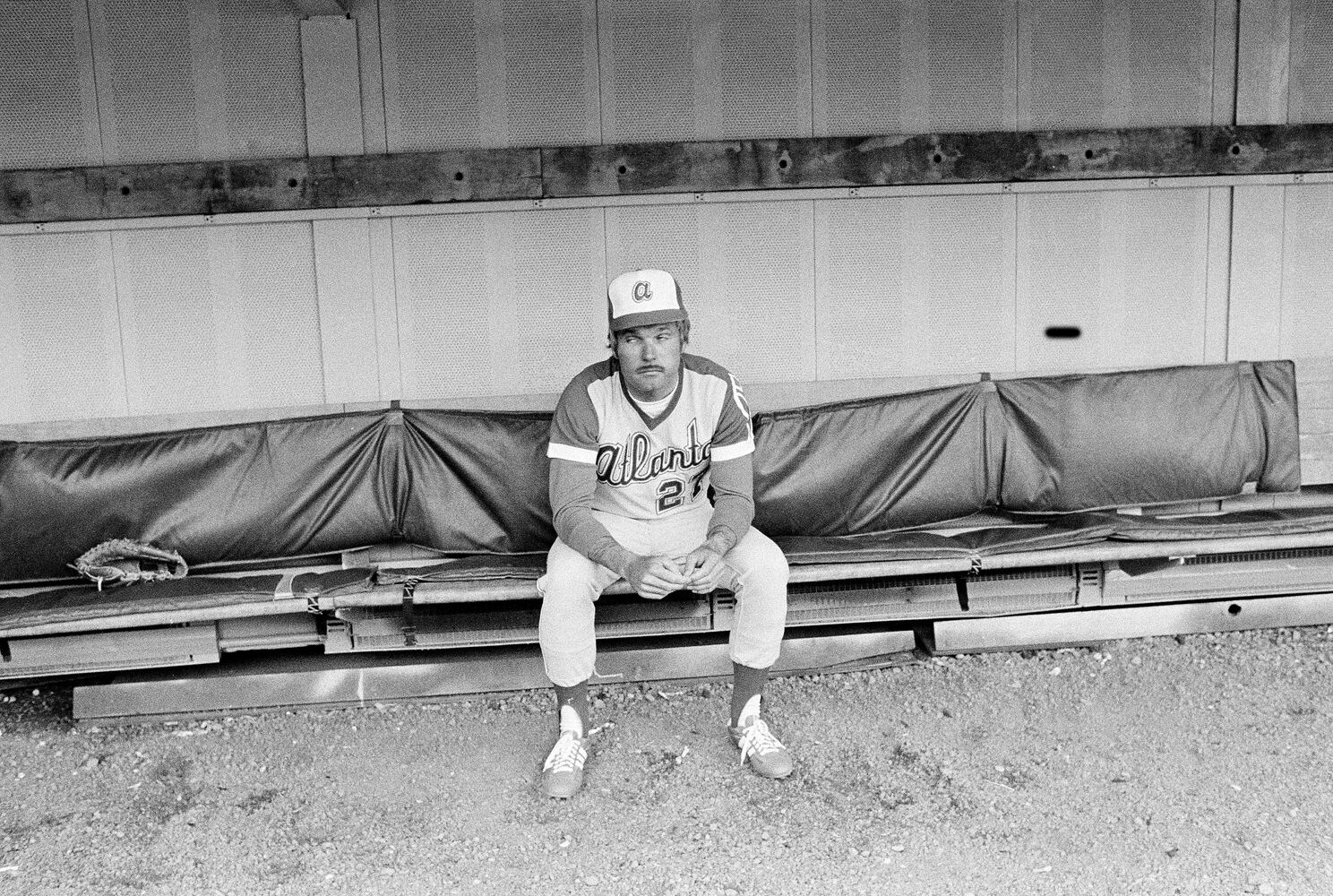
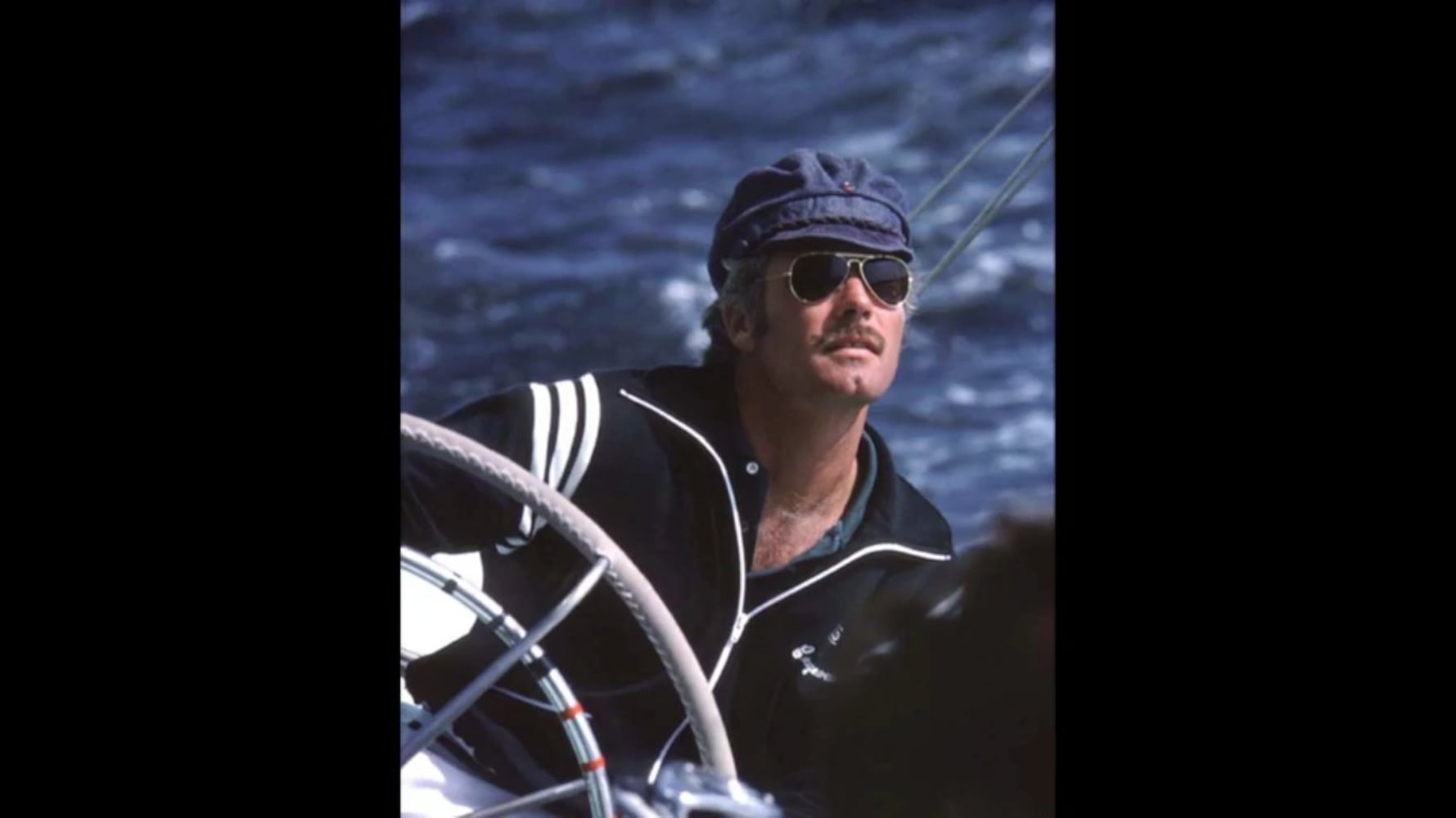
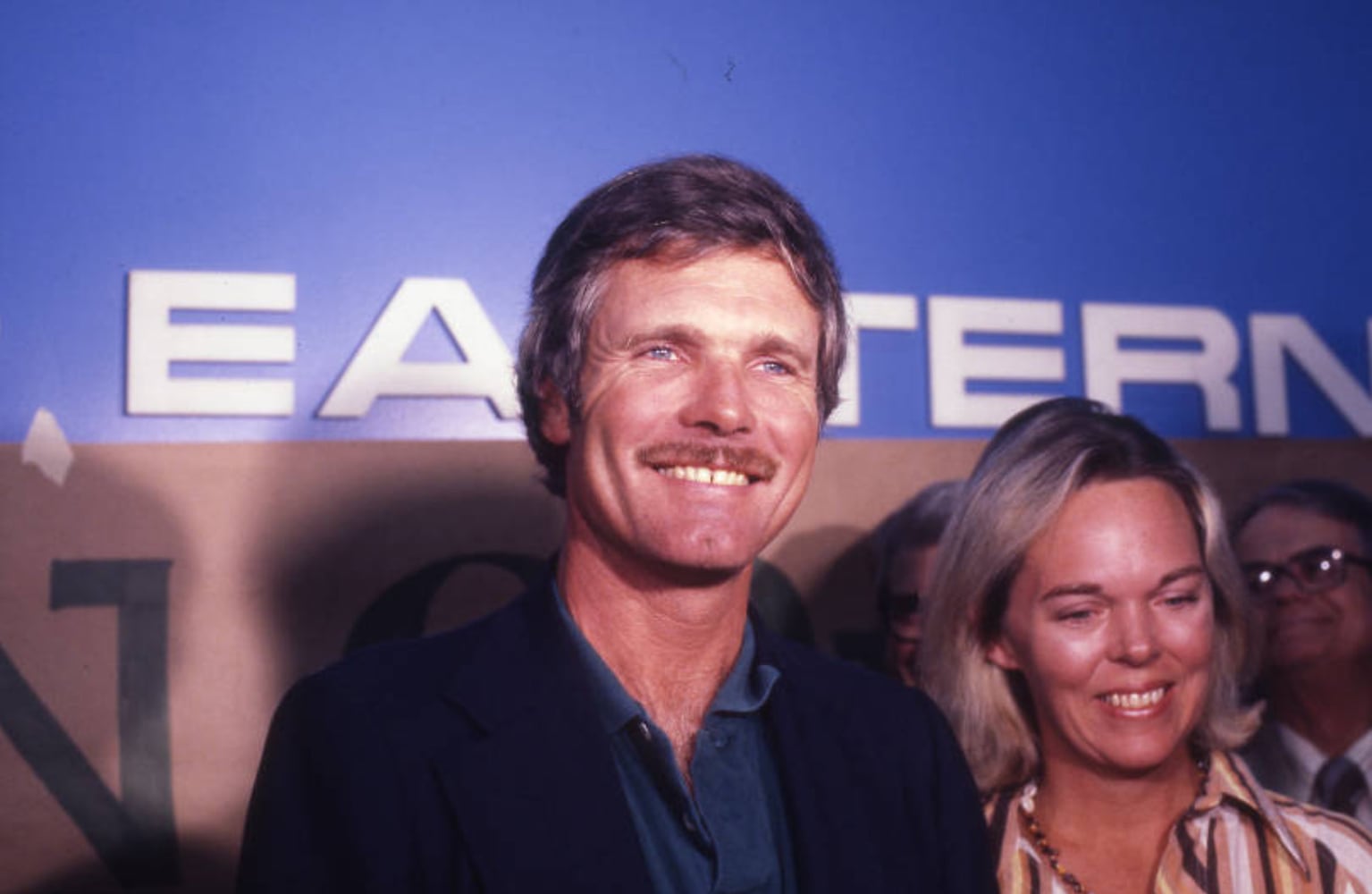
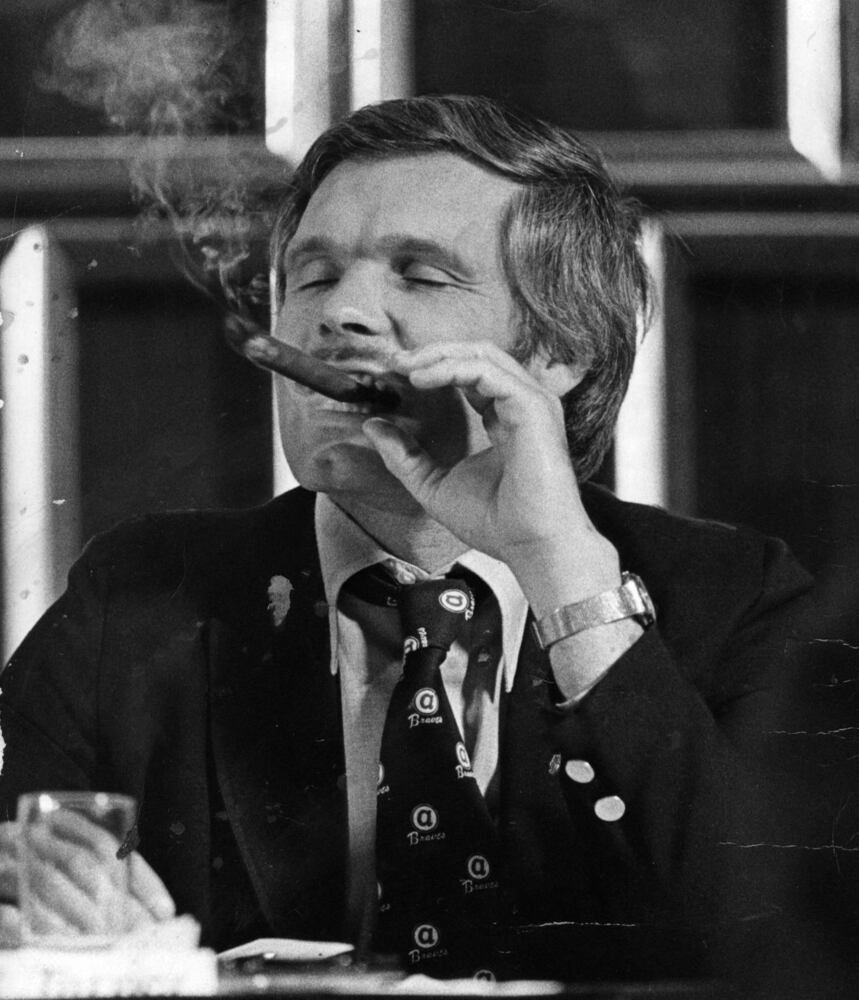
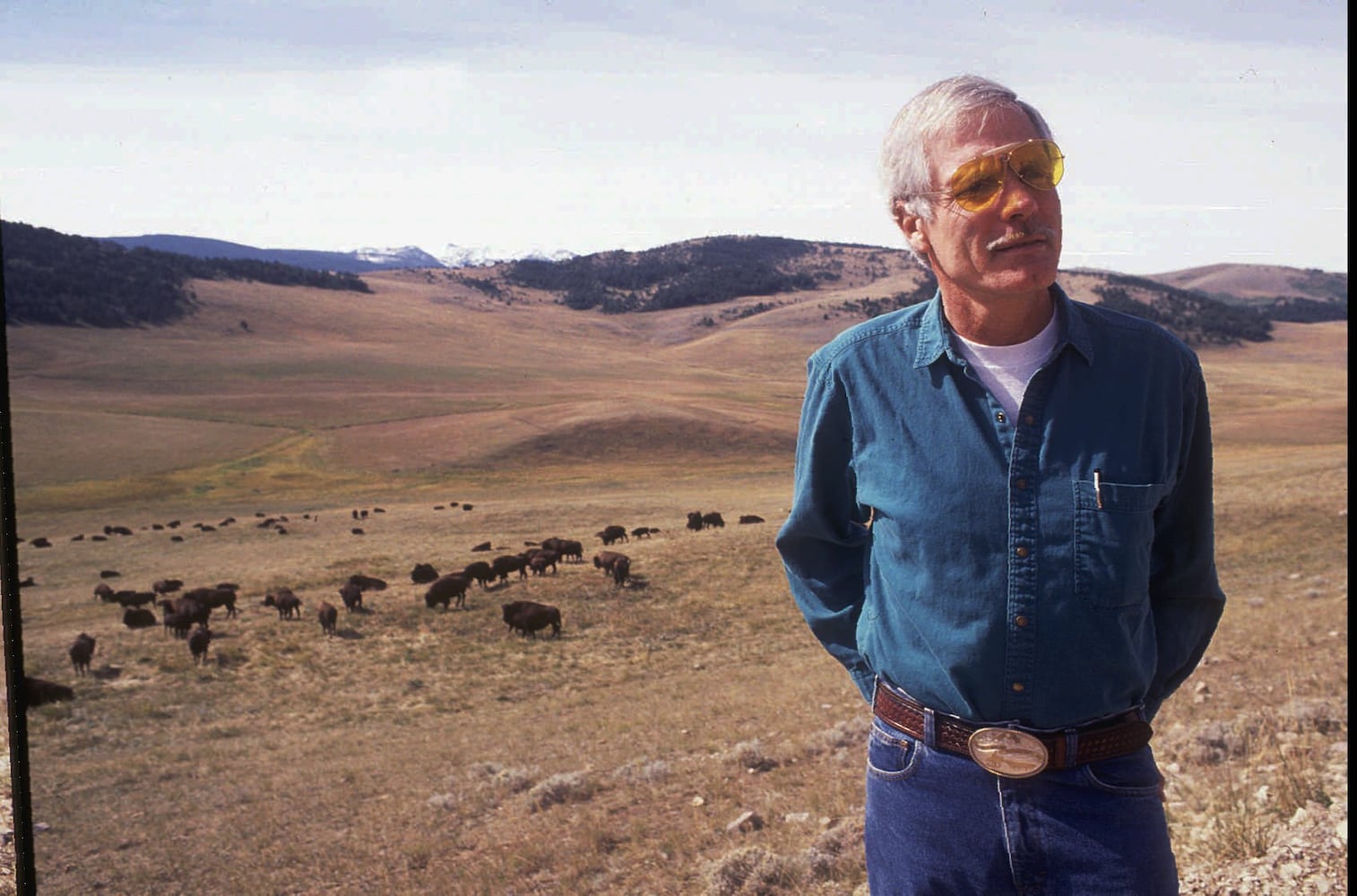





Today, his ranches are home to 45,000 bison, making it the largest privately owned herd on the planet.
Turner’s land stewardship has also helped restore habitat for other rare and endangered species, from the cutthroat trout to the black-footed ferret.
Adam Putnam, CEO of the waterfowl conservation nonprofit Ducks Unlimited, said that as one of the country’s most high-profile outdoorsmen, Turner “wielded his enormous influence in a positive way for large-scale habitat conservation, setting an example for others to follow.”
Putnam added that “his impact on wetlands and waterfowl … will be felt for generations to come.”
Turner on burning fossil fuels: ‘It’s poisonous’
Scientists have been sounding the alarm for decades about the threats posed by human-caused climate change. But among business leaders, the problem wasn’t always as widely discussed as it is today, at least not publicly.
Never one to shy away from sharing his views, Turner spoke openly about his climate worries — and pushed industry to embrace solutions.
Turner summed up his views on global warming during a 2010 interview at the Stanford Graduate School of Business, telling a crowd of students it was “time to say goodbye to coal and oil.”
“We’re burning too much of it and it’s poisonous,” Turner said. “And we’re going to run out of it anyway.”
Turner was a believer in clean energy and embraced renewables like solar through his business endeavors.
When he was asked by CNN’s Christiane Amanpour in a 2015 interview where he’d tell young entrepreneurs to invest their money and creativity, his answer was unequivocal: “clean, renewable energy.”
In 2011, he built one of Atlanta’s first solar canopies over a parking lot next to the downtown Atlanta headquarters for many of his family’s businesses. And through his Turner Renewable Energy subsidiary, he partnered in 2010 with Atlanta-based energy and electricity giant Southern Company to develop some of the company’s first large-scale solar developments.
‘We can’t afford to think that way anymore’
Turner also imbued his companies with his environmentalist ethos. Ever the businessman, he also managed to turn some of his conservation efforts into money-making ventures.
At outposts of his Ted’s Montana Grill restaurants, he reacquainted American diners with lean, sustainably raised bison as a meat source. The restaurants, which he co-founded with Atlanta restaurateur George McKerrow, also were early adopters of environmentally-friendly dining solutions, like paper straws and locally-sourced ingredients.
Turner turned several of his properties into ecotourism destinations under the umbrella of Ted Turner Reserves.
His Vermejo, Ladder, Armendaris and Sierra Grande properties in the Western U.S. offer guests the chance to witness bison migrations and other wildlife experiences. Revenue they generate is poured back into conservation initiatives, like protecting bighorn sheep and restoring rare trout habitat.
In a 2019 interview with Mountain Outlaw magazine, Turner said he didn’t believe you have to “trash the planet” to succeed in business.
“That mentality should have faded long ago, and truthfully, when it comes to the current state of our environment, we can’t afford to think that way anymore,” Turner said.
A note of disclosure
This coverage is supported by a partnership with Green South Foundation and Journalism Funding Partners. You can learn more and support our climate reporting by donating at AJC.com/donate/climate.
About the Author



Keep Reading

Featured
